




A rebound year puts Hong Kong back on the short list
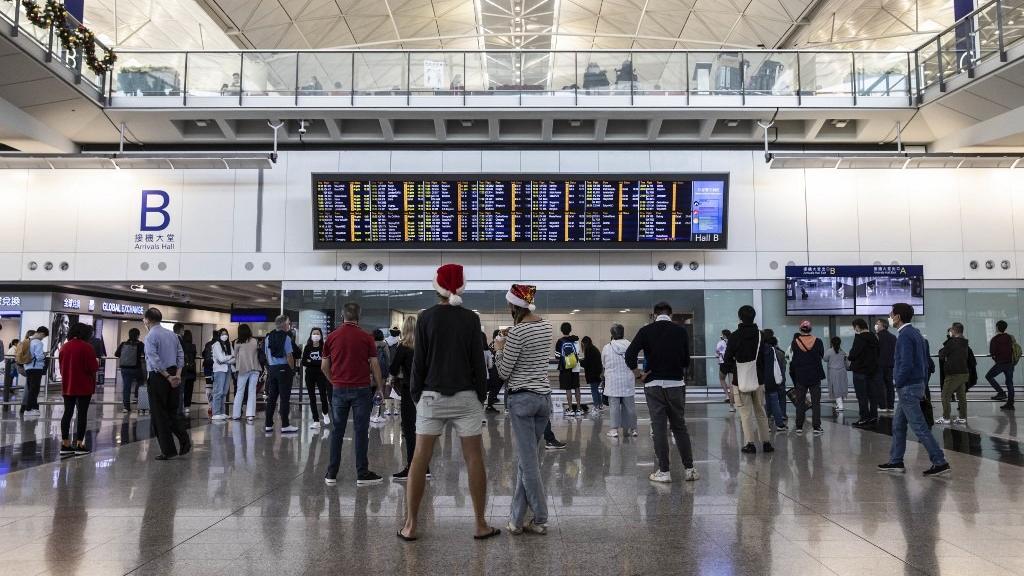
Hong Kong has climbed to second globally for international arrivals in 2025, a notable turnaround for a city that depends on open borders, dense air links, and quick cross-border trips. In Euromonitor International’s Top 100 City Destinations Index 2025, Bangkok leads, while Hong Kong ranks next, ahead of other heavyweight hubs.
This ranking matters because it captures more than a single busy weekend. It reflects how the city’s recovery has become structural again, powered by connectivity, events, and a tourism machine that can scale fast when travel demand returns.
Global travel grew in 2025, and Asian hubs captured the lift
International travel expanded through 2025, even with uneven economic signals. UN Tourism reported that international tourist arrivals rose 5% in January–September 2025, reaching over 1.1 billion travellers over that period.
Asia-Pacific played a central role in that rebound. Euromonitor’s 2025 index highlights Asia-Pacific as the fastest-growing region for international arrivals in 2025, helped by easier travel rules, stronger connectivity, and major events that pull visitors across borders.
For Hong Kong, the momentum also shows up in official data. The city’s visitor flows strengthened across 2024 and into 2025, with the Hong Kong Tourism Board’s reporting tracking the steady rise in both mainland and non-mainland visitor arrivals.
Why Hong Kong’s tourism model scales quickly
Hong Kong’s advantage starts with proximity and frequency. The city sits within a short flight of major Asian capitals, and it also benefits from rapid cross-border movement that supports high-volume travel patterns. That mix helps explain why a recovery can accelerate in months rather than years.
Policy and operations also shape the outcome. Over time, Hong Kong has built a tourism system that can expand capacity without reinventing itself each season. Transport, attractions, and retail districts align around short-stay travel, while meetings, exhibitions, and cultural programming help extend demand beyond weekends.
Meanwhile, the city continues to lean into statistics-led planning. The government’s Census and Statistics Department publishes tourism indicators and links directly to visitor arrival series, which helps the ecosystem measure performance and adjust tactics quickly when markets shift.
Just as important, Hong Kong’s “return” narrative feels credible to travellers because it builds on familiarity. Visitors already understand the city’s compact layout, the ease of public transport, and the density of dining and shopping in a small footprint. As a result, Hong Kong often wins when travellers want maximum variety with minimal friction.
A #2 ranking is strong, but the quality of growth matters
A surge in arrivals is a powerful headline, yet the deeper question is what kind of tourism Hong Kong is rebuilding. Volume alone does not guarantee high value. The city’s next phase depends on improving the mix of visitors, length of stay, and the spread of spending across districts.
This is where Hong Kong’s strategy needs balance. On one hand, quick trips keep the arrival engine humming and support airlines, attractions, and mass transit. On the other hand, longer-stay visitors drive stronger hotel performance, higher per-trip spending, and better returns for culture and premium experiences.
Therefore, the #2 ranking should be treated as a platform, not an endpoint. It gives Hong Kong proof that demand is back at scale. Now the city must convert that scale into higher-quality outcomes. This includes better experience design, stronger event programming, and clearer positioning for different visitor types, from families to business travellers to culture-led travellers.
The regional signal is also meaningful. If Hong Kong can climb to #2 while competition intensifies across Asia, it suggests the city remains one of the continent’s most resilient destination brands.
What to watch in 2026
The next year will test whether Hong Kong’s recovery is durable. First, watch how demand behaves outside peak periods, because stability across shoulder months often separates a rebound from a full reset.
Second, watch how the city grows non-mainland markets. Official tourism reporting already separates mainland and non-mainland flows, so the direction will become visible quickly.
Third, watch experience depth. Travellers increasingly look for neighbourhood stories, outdoor escapes, and event-linked travel, not only iconic skylines. If Hong Kong keeps broadening what “a Hong Kong trip” means, it can protect itself from regional pricing battles.
Finally, watch sustainability pressure. High-volume urban tourism strains transport nodes and crowded districts. Cities that manage flows well will keep public support, and they will also protect the visitor experience that drives repeat travel.
Hong Kong’s comeback is real, and the next step is value
Hong Kong’s rise to second globally for international arrivals in 2025 confirms a sharp recovery in one of Asia’s most competitive travel markets. The city has regained momentum through connectivity, scale-ready tourism infrastructure, and a destination identity that remains easy to buy into.
Now comes the harder part. Hong Kong must turn that rebound into value-led growth. If it succeeds, the city will not only stay near the top of global rankings, it will also build a more durable tourism economy that performs through cycles.