





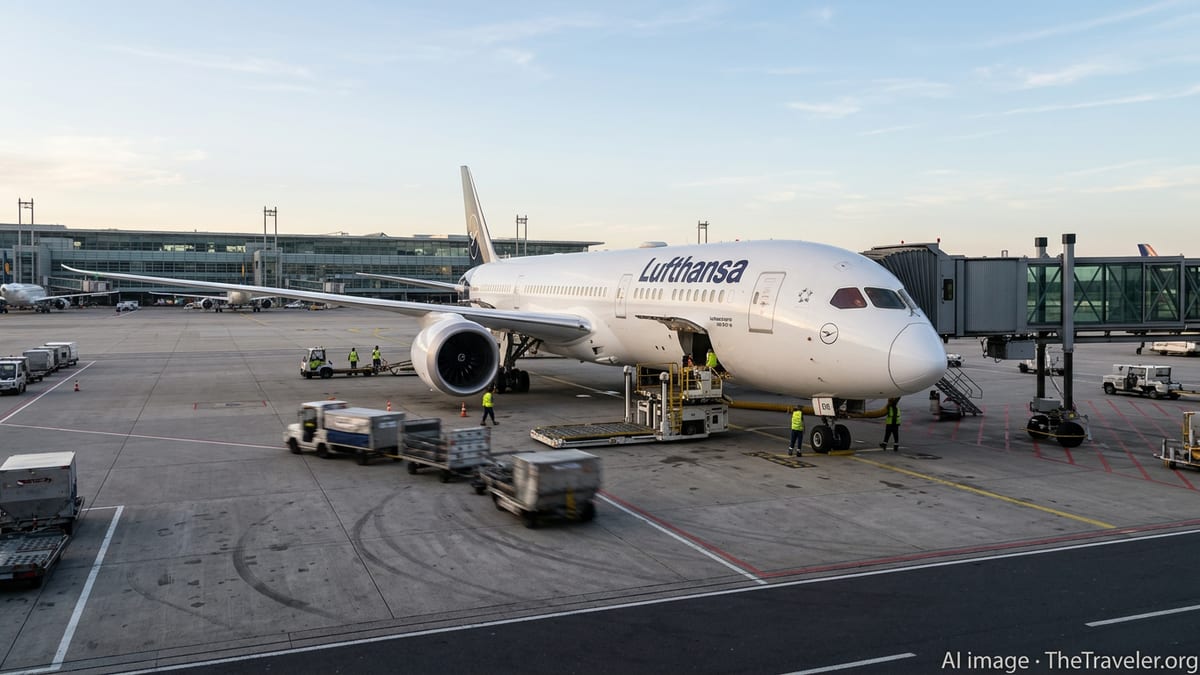
Lufthansa Frankfurt Kuala Lumpur route strengthens Europe–Southeast Asia connectivity
German airline Lufthansa has announced a new nonstop Frankfurt–Kuala Lumpur route, scheduled to launch in late 2026. The service will strengthen air connectivity between Europe and Southeast Asia while supporting tourism, trade and business travel flows between the two regions.
The Lufthansa Frankfurt Kuala Lumpur route reflects growing demand for long-haul travel connecting Europe with Southeast Asia’s major economic hubs. As international travel continues to recover and expand, airlines are actively rebuilding and extending route networks to capture rising passenger demand.
Global airlines rebuild long-haul networks
International aviation has gradually recovered following disruptions to global travel earlier in the decade. Airlines across Europe and Asia have resumed suspended routes while introducing new services connecting key economic centres.
The Frankfurt Airport, operated by Fraport AG, remains one of Europe’s largest aviation hubs. The airport connects hundreds of destinations worldwide and serves as Lufthansa’s primary global gateway.
Meanwhile, Kuala Lumpur International Airport (KLIA) functions as Malaysia’s main aviation hub and a key entry point for travellers visiting Southeast Asia. The airport is managed by Malaysia Airports Holdings Berhad, which continues investing in aviation infrastructure and passenger capacity.
Government organisations such as Tourism Malaysia and the Ministry of Tourism, Arts and Culture Malaysia actively promote international tourism through improved connectivity and strategic airline partnerships.
Consequently, the launch of the Lufthansa Frankfurt Kuala Lumpur route supports national tourism development objectives while strengthening global transport links.
Lufthansa expands Asia network
The Lufthansa Frankfurt Kuala Lumpur route forms part of the airline’s broader strategy to expand its long-haul network across Asia.
Southeast Asia represents a particularly attractive market for international carriers due to its strong tourism growth and expanding business travel demand.
The new route will provide direct connectivity between Germany, Europe’s largest economy, and Malaysia, a key Southeast Asian commercial and tourism destination.
Furthermore, Frankfurt’s position as a major international hub enables seamless connections to cities across Europe and North America.
Passengers travelling to Kuala Lumpur will benefit from simplified itineraries and shorter travel times compared with indirect routes requiring stopovers.
Additionally, the new service may strengthen cooperation between Lufthansa and regional airline partners.
Malaysia’s national carrier Malaysia Airlines and other regional airlines provide onward connectivity from Kuala Lumpur to destinations across Southeast Asia and the Asia-Pacific region.
Consequently, the Lufthansa Frankfurt Kuala Lumpur route enhances regional network integration.
Moreover, improved air connectivity supports international business activity, trade exchanges and tourism flows.
Airlines compete for Asia long-haul routes
Airlines worldwide are increasingly competing for long-haul routes connecting Europe and Asia.
Major international carriers including Emirates, Qatar Airways, Singapore Airlines, and Turkish Airlines operate extensive networks linking Europe with Southeast Asia through their global hubs.
These airlines offer frequent connections and high passenger capacity across intercontinental routes.
However, nonstop services remain attractive for travellers seeking shorter travel times and greater convenience.
Consequently, European airlines are exploring opportunities to strengthen direct connectivity with Asian markets.
The Lufthansa Frankfurt Kuala Lumpur route therefore represents a strategic effort to capture growing passenger demand within the Europe–Asia aviation corridor.
Meanwhile, regional governments continue supporting aviation expansion through tourism promotion and infrastructure investment.
Organisations such as Malaysia Aviation Group, the parent company of Malaysia Airlines, are also focused on strengthening Kuala Lumpur’s role as a regional aviation hub.
Aviation connectivity drives tourism growth
The launch of the Lufthansa Frankfurt Kuala Lumpur route highlights the important role aviation connectivity plays in supporting tourism and economic development.
Air transport enables global mobility by linking travellers, businesses and tourism destinations.
Direct routes often stimulate travel demand by reducing journey times and improving accessibility.
For tourism-driven economies such as Malaysia, new airline routes can significantly increase international visitor arrivals.
European travellers represent an important market segment for Southeast Asian destinations.
Countries including Malaysia, Thailand and Indonesia actively promote their tourism offerings to European audiences through marketing campaigns and travel partnerships.
Therefore, stronger air connectivity may lead to higher tourism revenues and increased hospitality demand.
Europe–Asia travel demand continues to rise
Looking ahead, the Lufthansa Frankfurt Kuala Lumpur route may encourage additional airline network expansion between Europe and Southeast Asia.
Passenger demand for long-haul travel continues to grow as global tourism rebounds and international business activity strengthens.
Airlines are also introducing more fuel-efficient aircraft capable of operating longer nonstop routes.
These aircraft technologies enable carriers to connect distant cities more efficiently while reducing operational costs.
Furthermore, Southeast Asia’s expanding middle class and growing tourism infrastructure continue attracting international visitors.
Regional tourism agencies including Tourism Malaysia, Thailand’s Tourism Authority, and the Singapore Tourism Board actively promote travel to the region.
Consequently, improved connectivity may drive further tourism growth and strengthen economic ties between Europe and Southeast Asia.
New route strengthens Europe–Southeast Asia aviation links
Lufthansa’s decision to launch a direct Frankfurt–Kuala Lumpur service represents a significant step in expanding aviation connectivity between Europe and Southeast Asia. The new route will facilitate tourism, trade and business travel while reinforcing Kuala Lumpur’s position as a regional aviation gateway.
As international travel continues to recover and grow, airline network expansion will remain a key driver of global tourism and economic integration.