




Singapore Airlines restores a strategic Middle East link
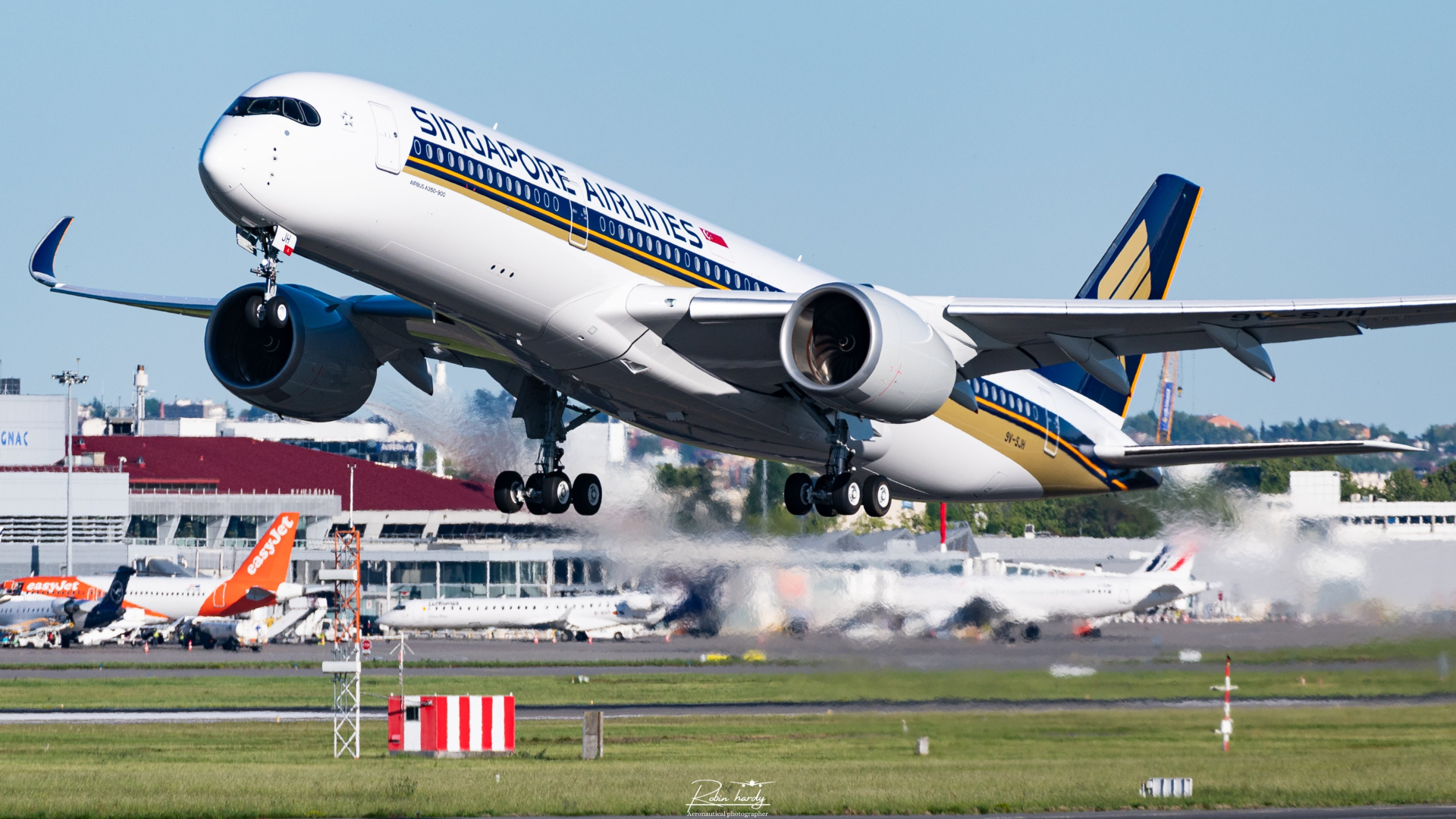
Singapore Airlines has announced the launch of new non-stop Singapore–Riyadh flights starting June 2026, marking its return to the Saudi capital after a 12-year absence. The route expansion strengthens air connectivity between Southeast Asia and the Middle East at a time of rising business, tourism, and transit demand.
The move reflects renewed confidence in long-haul travel recovery and deeper economic ties between Asia and Saudi Arabia. As Gulf markets open further to international visitors and investment, airlines are repositioning networks to capture new travel flows. For Singapore Airlines, Riyadh represents both a strategic destination and a gateway into a fast-growing regional market.
Asia–Middle East travel demand rebounds
Travel demand between Asia and the Middle East has rebounded steadily since global borders reopened. Business travel, labour mobility, and religious tourism have all contributed to rising passenger volumes across the corridor.
At the same time, Saudi Arabia has emerged as a key growth market. Large-scale economic diversification plans, infrastructure spending, and tourism promotion have increased inbound and outbound travel demand. These shifts are reshaping airline network strategies across Asia.
Singapore Airlines previously served Riyadh before suspending operations more than a decade ago due to market conditions. Today, improved demand visibility and stronger bilateral ties have changed the equation.
Non-stop flights strengthen network depth
The return to Riyadh involves launching direct, non-stop services, which significantly improves travel convenience compared with indirect routings. Non-stop connectivity reduces travel time, improves reliability, and appeals to premium and corporate travellers.
For Singapore Airlines, the route also strengthens its long-haul network depth. Riyadh adds balance to the carrier’s Middle East footprint, complementing existing services to other Gulf hubs.
Moreover, the airline can leverage its Singapore hub to connect Saudi travellers to Southeast Asia, Australia, and the wider Asia-Pacific region. This hub-and-spoke advantage remains central to Singapore Airlines’ network strategy.
Route decisions reflect long-term confidence
Airline route launches signal more than short-term demand. They reflect confidence in sustained traffic flows, yield potential, and strategic relevance.
Singapore Airlines’ decision to return after 12 years suggests that Riyadh has moved from a marginal route to a core opportunity. The timing aligns with Saudi Arabia’s push to position itself as a global business and tourism destination.
Importantly, premium carriers tend to enter markets once demand quality improves. This return indicates growing confidence in both leisure and corporate travel between the two regions.
Capturing business, tourism, and transit flows
Singapore Airlines’ strategic focus on Riyadh extends beyond point-to-point travel. Business travel is expected to play a major role, driven by trade, investment, and professional services exchanges.
Tourism also represents a growing segment. As Saudi Arabia expands international tourism offerings, Southeast Asian travellers are increasingly considering the Kingdom as a destination.
Additionally, Riyadh offers transit potential. Singapore Airlines can channel Middle Eastern passengers through Singapore to secondary destinations across Asia-Pacific, strengthening overall network utilisation.
Policy and ecosystem alignment
The route expansion aligns with broader policy efforts on both sides. Saudi Arabia continues to liberalise aviation access and promote international connectivity as part of its economic diversification agenda.
Meanwhile, Singapore supports its role as a global aviation hub by encouraging strong air links with emerging markets. Improved bilateral connectivity supports trade, tourism, and people-to-people exchanges.
Such alignment reduces regulatory friction and improves route sustainability over the long term.
Airlines reposition for Gulf growth
Competition for Asia–Middle East traffic is intensifying. Gulf carriers, Asian network airlines, and low-cost operators are all adjusting capacity to capture growth.
Singapore Airlines differentiates itself through service quality, network reach, and premium positioning. By offering non-stop flights, it competes directly on convenience rather than relying solely on connections.
As Saudi Arabia’s aviation market grows, early movers with strong brand presence may secure long-term loyalty among travellers and corporate accounts.
Sustaining yields and load factors
Despite positive demand signals, long-haul routes carry execution risks. Fuel costs, aircraft utilisation, and seasonal demand variations must be managed carefully.
Singapore Airlines will need to sustain healthy load factors and yields to ensure route profitability. Coordinated scheduling, partnerships, and targeted marketing will play a key role.
However, the airline’s experience in managing complex long-haul networks provides a strong foundation for execution.
Deeper Asia–Middle East connectivity ahead
In the near term, the new route is expected to stimulate fresh demand by improving accessibility. Business and leisure travellers alike may respond positively to direct services.
Over the medium term, Singapore Airlines could deepen its Middle East presence as regional travel continues to grow. Additional frequencies or network adjustments may follow if demand proves resilient.
Looking ahead, the return to Riyadh signals a broader trend. As Asia–Middle East ties strengthen, airlines that invest early in connectivity stand to benefit from long-term structural growth.
Singapore Airlines reinforces its global network strategy
Singapore Airlines’ return to Riyadh after 12 years marks a strategic reinforcement of its global network. By restoring direct connectivity, the carrier aligns itself with rising travel demand and deepening economic ties between Southeast Asia and Saudi Arabia.
As global aviation continues to recover, route decisions like this highlight how airlines are positioning for the next phase of growth. For Singapore Airlines, Riyadh represents both opportunity and confidence in the future of long-haul travel.



