



Sri Lanka free visa program boosts inbound tourism strategy
Sri Lanka has extended its free visa program for key international markets, reinforcing its strategy to revive tourism and strengthen foreign exchange inflows. The policy targets major source markets across Asia and beyond, aiming to make travel more accessible and cost-effective.
The Sri Lanka free visa program highlights how governments are using visa liberalization to drive economic recovery. As global travel demand rebounds unevenly, reducing entry barriers has become a critical tool to attract visitors.
Consequently, Sri Lanka’s move reflects a focused effort to rebuild one of its most important economic sectors.
Tourism remains vital for economic stability
Tourism plays a central role in Sri Lanka’s economy. It contributes significantly to foreign exchange earnings, employment, and small business activity across the country.
However, the sector has faced multiple challenges in recent years. Global travel disruptions and domestic economic pressures have affected visitor numbers and revenue.
Government institutions such as the Sri Lanka Tourism Development Authority (SLTDA) have introduced several initiatives to restore confidence and attract travelers.
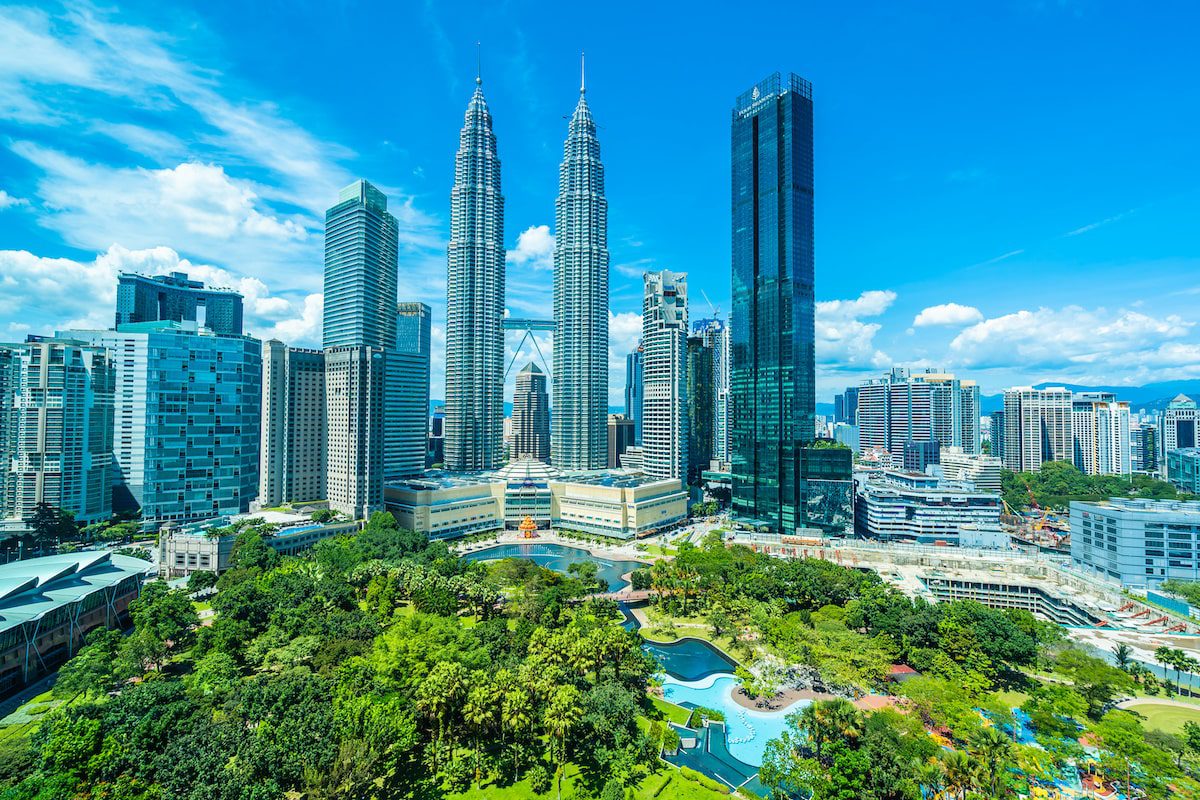
At the same time, competition across Asia has intensified. Countries like Thailand and Malaysia have introduced visa-free policies to capture global demand.
Therefore, Sri Lanka’s decision to extend its free visa program reflects the need to remain competitive.
Free visa policy targets demand recovery
The Sri Lanka free visa program focuses on reducing travel costs and simplifying entry for international visitors.
By removing visa fees, the government lowers the overall cost of travel. This makes Sri Lanka more attractive, especially for price-sensitive tourists.
In addition, the policy improves accessibility. Travelers can plan trips more easily without administrative delays or additional expenses.
The initiative also targets key markets with strong outbound travel demand. These include countries across Asia, Europe, and other regions.
Meanwhile, the government is aligning visa policy with broader tourism initiatives. Investments in marketing campaigns, infrastructure, and airline connectivity support the overall recovery strategy.
Importantly, the program aims to generate multiplier effects. Increased visitor arrivals can boost revenue across hospitality, transport, and retail sectors.
Visa policies emerge as economic recovery tools
The Sri Lanka free visa program reflects a broader shift in how governments approach tourism policy.
Visa regulations are no longer just administrative processes. They have become strategic tools for economic growth and recovery.
By reducing entry barriers, countries can stimulate demand quickly. This is particularly important in periods of uncertainty, when travelers prioritize convenience and affordability.
At the same time, visa policies influence traveler behavior. Easier access can encourage longer stays and higher spending.
However, policy measures alone are not enough. Countries must also ensure strong infrastructure, service quality, and safety standards to sustain growth.
Tourism growth to support economic recovery
Looking ahead, Sri Lanka’s tourism sector is expected to benefit from continued visa liberalization.
Several factors support this outlook:
- Rising global travel demand
- Competitive pricing compared to regional destinations
- Growing interest in cultural and nature-based tourism
- Government support for tourism development
In addition, improved airline connectivity will play a key role. Increased flight capacity can support higher visitor volumes.
Meanwhile, digital platforms and travel services are likely to enhance the overall visitor experience.
Therefore, the free visa program may act as a catalyst for broader recovery across the tourism ecosystem.
Sri Lanka strengthens recovery through visa flexibility
Sri Lanka’s decision to extend its free visa program marks a strategic step in accelerating tourism recovery. By lowering costs and improving accessibility, the country is positioning itself to attract more international visitors.
As global competition intensifies, visa policies will remain a key differentiator. The Sri Lanka free visa program demonstrates how targeted reforms can support economic stability and long-term growth.