



Vietnam opens doors to the world’s top talent
Vietnam has introduced a special visa exemption card (SVEC) offering multi-entry access for up to five years. This move aims to attract world-class scientists, artists, and investors. It forms part of a broader national strategy to position the country as a regional hub for innovation, creativity, and economic growth.
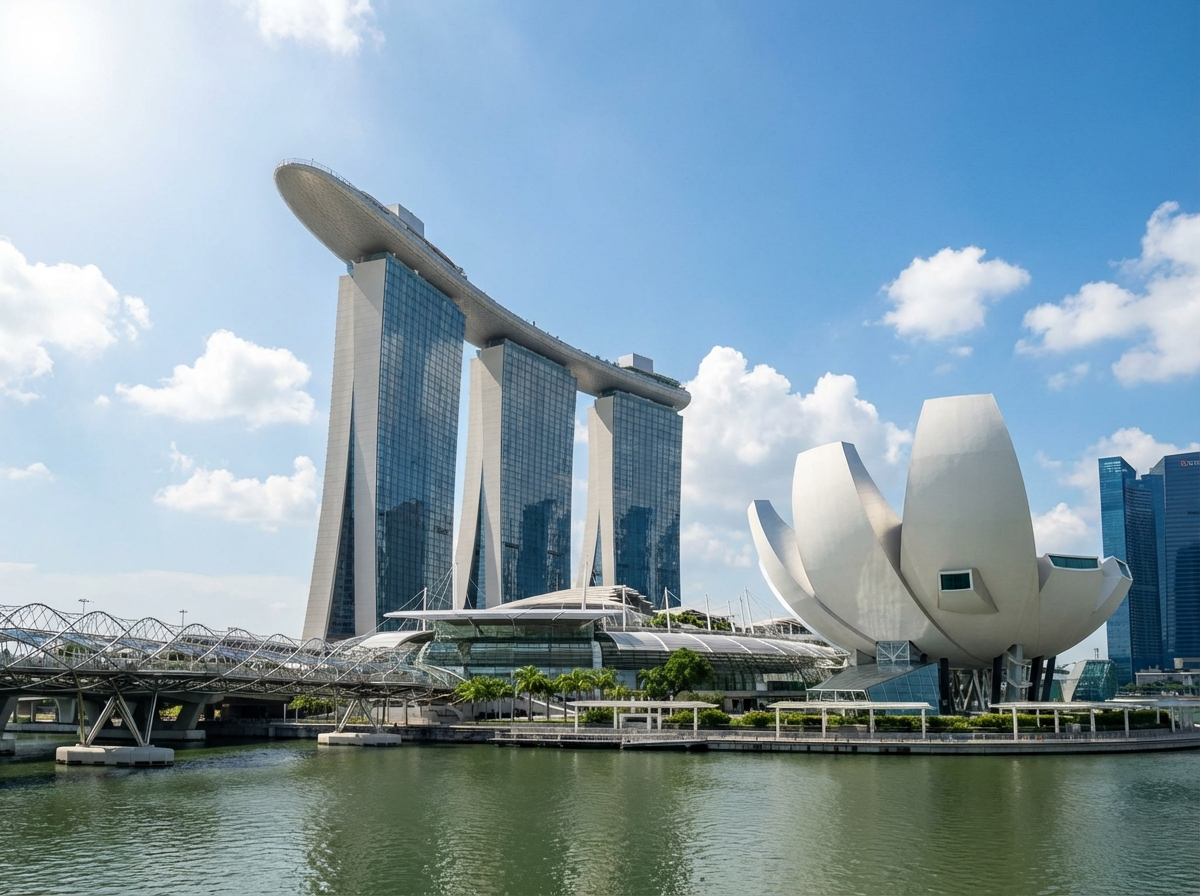
Officials describe the SVEC not simply as a change in visa policy, but as a declaration of intent. It signals Vietnam’s readiness to welcome knowledge, expertise, and investment from across the globe. Furthermore, the initiative mirrors a growing trend in Asia, where nations like Singapore and Thailand use targeted visa programs to secure top-tier talent.
Why Vietnam is creating a new pathway for top talent
The SVEC will be administered by the Ministry of Public Security in partnership with the Ministry of Foreign Affairs. Applicants must demonstrate exceptional achievements in their fields and secure endorsements from recognized institutions. Once approved, they can enter and exit Vietnam without the hassle of repeated visa applications.
Vietnam’s economy ranks among the fastest-growing in Asia, fueled by manufacturing, technology startups, and tourism. By attracting highly skilled professionals, the government intends to accelerate its shift toward a knowledge-based economy. This would expand capacity in strategic sectors such as renewable energy, advanced manufacturing, and the creative industries.
In recent years, Vietnam’s GDP has grown steadily at a rate of 5–7%, according to the World Bank. By introducing the SVEC, the country hopes to maintain this momentum and position itself as a serious contender in the regional innovation race.
Vietnam’s competitive move in Asia’s talent race
Visa reform has become a key competitive lever in Asia. Countries such as Malaysia, Thailand, and Singapore already operate long-term visa schemes designed to attract foreign experts and investors. Vietnam’s SVEC stands out because it combines a generous five-year validity with multi-entry rights, which is rare in the region.
In addition, the program aligns with Vietnam’s commitments under major trade and economic agreements such as the CPTPP and RCEP. This alignment facilitates smoother collaboration between foreign professionals and Vietnamese companies, while also connecting them to global supply chains.
With a young workforce, a growing middle class, and urban centers like Ho Chi Minh City and Hanoi, Vietnam offers a compelling alternative to more expensive hubs. However, to truly compete, the country must ensure the SVEC process is as efficient and transparent as those of its regional rivals.
Opportunities and challenges for Vietnam’s talent strategy
From an editorial standpoint, the SVEC program is a smart blend of economic policy and cultural diplomacy. Attracting accomplished individuals can drive innovation, create jobs, and enhance Vietnam’s international standing. Moreover, the exchange of ideas between local and foreign experts can stimulate fresh thinking in multiple sectors.
Nevertheless, execution will be the deciding factor. If application processes are slow or requirements remain unclear, top candidates may look elsewhere. Beyond visa access, Vietnam will also need to ensure that living standards, education systems, and healthcare facilities meet the expectations of global professionals.
Retention is equally critical. Countries like Singapore have mastered not only attracting but also keeping talent by offering strong public services and clear career progression paths. Vietnam may need to adopt similar strategies to remain competitive.
Furthermore, successful integration of foreign talent will depend on fostering a welcoming environment. Cultural orientation programs, professional networks, and community support can help new arrivals settle in and contribute fully.
Vietnam’s path to becoming a talent hub
The SVEC represents more than a visa policy—it is a strategic signal that Vietnam intends to compete at the highest level in the global talent market. If supported by investments in education, innovation districts, and cultural exchange initiatives, the program could reshape the nation’s human capital over the next five years.
By bringing in scientists, artists, and investors, Vietnam has the opportunity to accelerate its transition to an innovation-driven economy. This shift could boost productivity, enrich the cultural landscape, and make the country a more attractive place to live and work.
In the long term, the SVEC could also help reverse brain drain. Many members of the Vietnamese diaspora who have built careers abroad might see this as a chance to return home, combining international experience with local knowledge. This powerful mix could be a cornerstone of Vietnam’s rise as a leader in Southeast Asia’s knowledge economy.
If these elements align, the SVEC might do more than fill talent gaps—it could redefine how Vietnam engages with the world.
A forward-looking step in global integration
Vietnam’s special visa exemption card is both bold and timely. By offering a long-term, flexible visa to top-tier professionals, the country is laying the groundwork for deeper global engagement and sustained growth.
If implemented efficiently, and backed by world-class infrastructure and services, the SVEC could position Vietnam alongside Asia’s most competitive talent hubs. Over time, it may even enable the country to lead the region in attracting, retaining, and empowering global expertise.