


Notable Roles | - Chairman, Tata Sons |
Key Recognition | - Padma Bhushan, Government of India (2022) |
Background and Early Foundations
Career Milestones and Impact
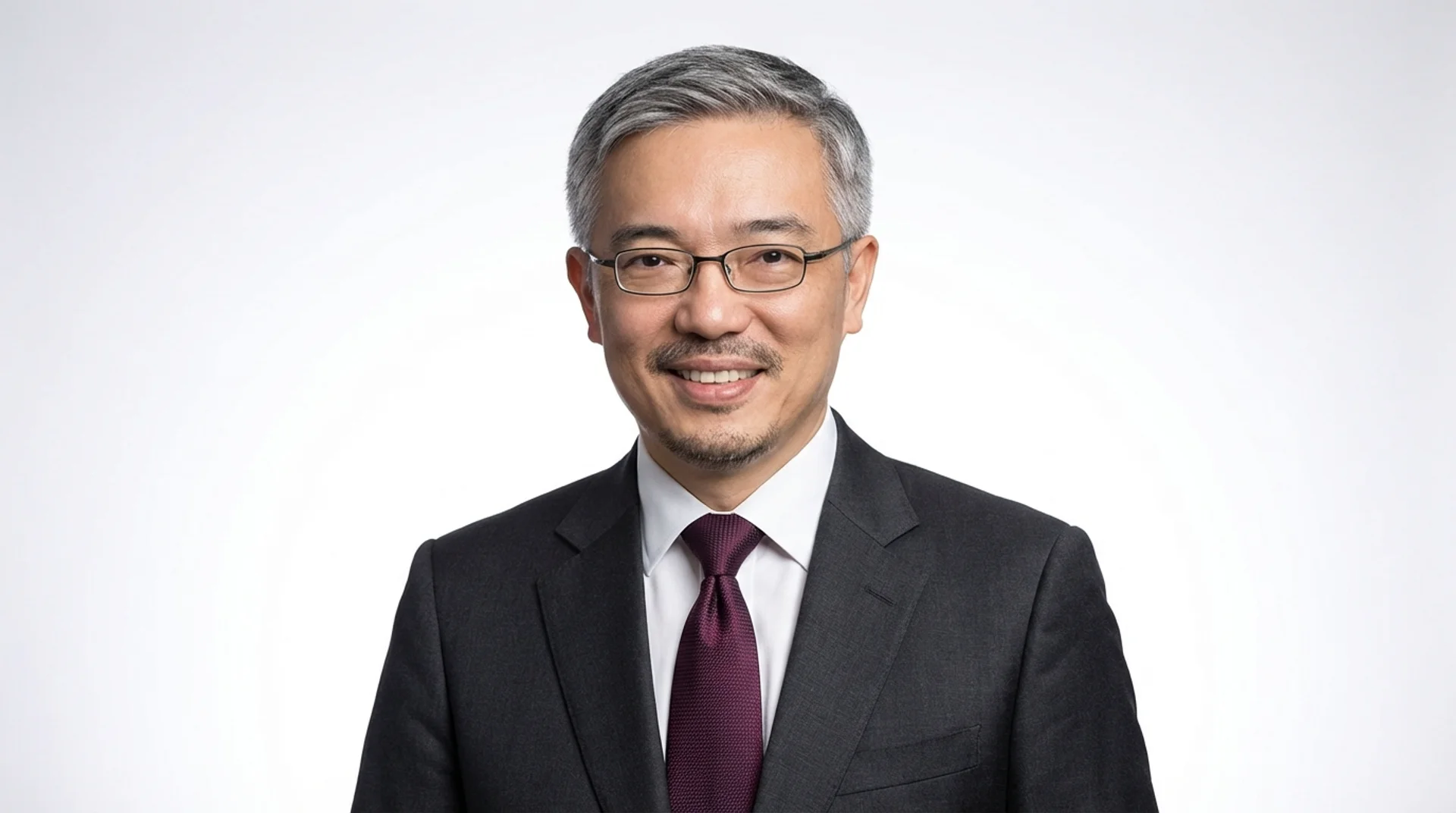
Born on June 2, 1963, in Mohanur, Tamil Nadu, India, Natarajan Chandrasekaran hails from a modest background. He earned a Bachelor’s degree in Applied Sciences from Coimbatore Institute of Technology and a Master’s degree in Computer Applications from Regional Engineering College, Tiruchirappalli (now NIT Trichy). Chandrasekaran began his career at Tata Consultancy Services (TCS) in 1987, rising through the ranks to become CEO in 2009. Under his leadership, TCS became India’s most valuable company and a global IT services powerhouse. In 2017, he was appointed Chairman of Tata Sons, marking a significant milestone as the first non-Parsi and professional executive to lead the Tata Group.
Year | Milestone |
|---|---|
2016 | Joined the board of Tata Sons |
2017 | Appointed Chairman of Tata Sons, becoming the first non-Parsi and professional executive to lead the Tata Group |
2021 | Tata Group acquired Air India, marking a significant milestone under his leadership |
2023 | Chaired B20 India during India's G20 Presidency |
2025 | Conferred Honorary KBE by the UK for contributions to UK-India business relations |
- Tata Group Companies: Oversees over 100 operating companies
- Global Presence: Operations in more than 100 countries
- Employment: Tata Group employs over 1 million people worldwide
- Revenue: Tata Group’s annual revenue exceeds $150 billion
- Market Capitalization: Tata Group’s listed companies have a combined market cap of over $300 billion
Leadership Style and Influence
Natarajan Chandrasekaran is known for his transformative leadership and strategic vision. He emphasizes simplification, synergy, and sustainability across the Tata Group’s diverse businesses. His approach combines deep operational knowledge with a focus on innovation and long-term value creation. Under his guidance, the group has ventured into new sectors, including semiconductors, electronics manufacturing, and electric vehicles.
Legacy and Future Focus
Chandrasekaran’s legacy is marked by his role in steering the Tata Group through significant transformations, including digitalization, sustainability initiatives, and global expansion. He continues to focus on positioning the group for future growth by investing in emerging technologies, fostering innovation, and strengthening international partnerships.