
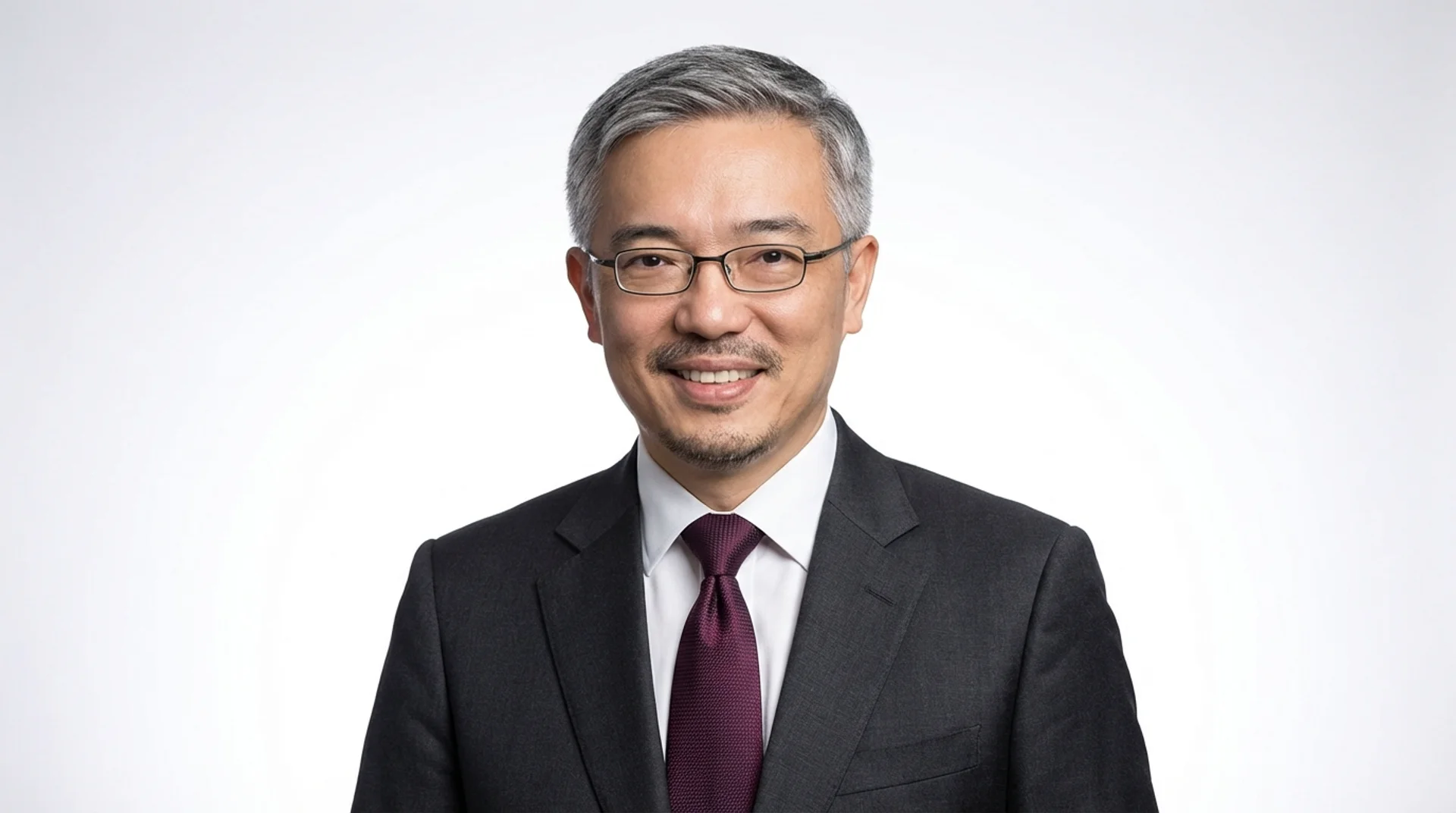




Notable Roles | - Founder & CEO, AGREA |
Key Recognition | - Asia’s Most Influential (Tatler Asia), 2024 |
Background and Early Foundations
Cherrie Atilano was born into a family of landless sugarcane farmers in Negros Occidental, fueling her early passion for agrarian reform and rural empowerment. At age 12, she began teaching farmers about sustainable agriculture. She later earned an agriculture degree from Visayas State University and was awarded a Fulbright scholarship. Her life’s work reflects a powerful blend of grassroots organizing and high-level global engagement in food systems.
Career Milestones and Impact
Year | Milestone |
|---|---|
2014 | Founded AGREA to create a circular economy in agriculture and empower Filipino farmers |
2017 | Partnered with government to make Marinduque a sustainable agriculture model |
2021 | Named UN SDG Pioneer and appointed as the Philippines’ Food Security Ambassador |
2024 | Recognized as one of Asia’s Most Influential by Tatler for sustainable food advocacy |
- Farmers Empowered: 30,000+ across 15 provinces
- Island Impact: Transformed Marinduque into a “One Island Economy” model
- Food Programs: AGREA partners with Dept. of Agriculture, UNDP, and private sector
- Policy Advocacy: Leads agri-related SDG talks in Southeast Asia
- Youth Engagement: Programs rolled out in over 200 public schools
Leadership Style and Influence
Cherrie Atilano leads with radical empathy, grounded activism, and visionary systems thinking. She blends grassroots communication with top-level policy fluency, earning trust from farmers, educators, and institutional partners alike. Her leadership breaks silos—uniting agriculture, nutrition, gender equity, and education—and inspires systemic change from the soil up.
Legacy and Future Focus
Cherrie Atilano is building more than an organization—she’s shaping the future of food justice in the Philippines and beyond. Her legacy is rooted in revaluing agriculture not as a sector of poverty but one of potential. As climate change and food insecurity rise globally, her integrated, inclusive approach to food systems will continue to provide a roadmap for resilient communities.



