




Notable Roles | - Co-Founder & CEO, Safetipin (2013–present) |
Key Recognition | - Led Safetipin’s expansion into 50+ cities across 15 countries |
Background and Early Foundations
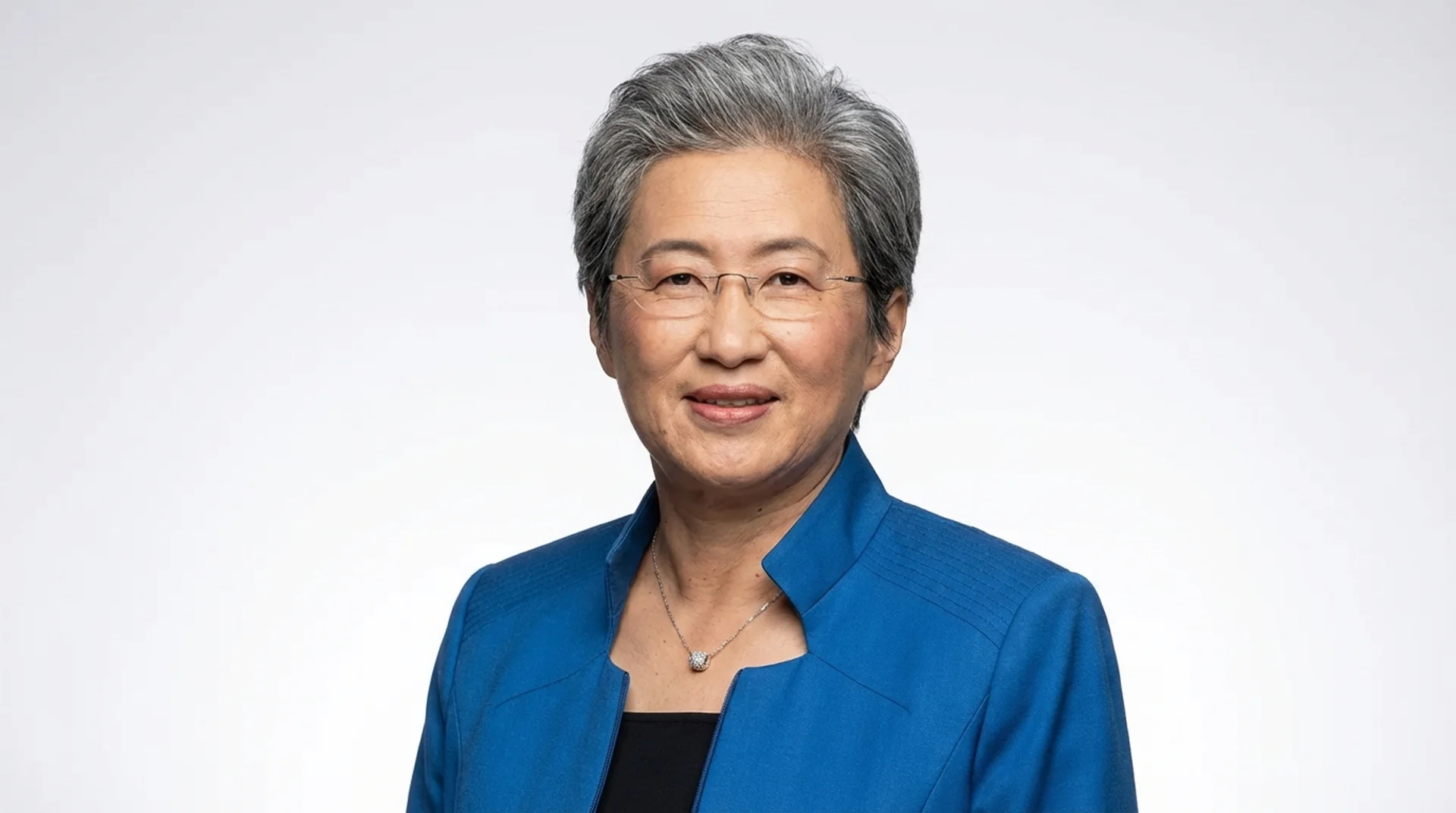
Born in 1968 in New Delhi, Kalpana Viswanath grew up in a family rooted in education and civil service. She earned her PhD in Sociology, focusing on gender and urban space. Her early work at Jagori — a feminist NGO — exposed her to the realities of unsafe mobility for women across Indian cities. Combining academic insight with community organizing, she began shaping inclusive public policy dialogues. These foundational years culminated in her co-founding Safetipin in 2013, where she blended activism with data science to change how cities measure and manage safety.
Career Milestones and Impact
Year | Milestone |
|---|---|
2013 | Co-founded Safetipin, a tech platform using crowd-sourced and sensor data to map urban safety |
2015 | Partnered with UN-Habitat and Delhi government on nighttime safety audits |
2018 | Safetipin adopted by Bogotá, Nairobi, and Manila as part of city planning reforms |
2020 | Launched Safetipin Nite, integrating AI and geospatial imagery for safety analytics |
2024 | Platform influences safety policies in over 50 cities globally, including multiple smart city projects in India |
- Cities Reached: 50+ across India, Latin America, Southeast Asia, and Africa
- Data Points Collected: Over 5 million geotagged entries
- Municipal Partnerships: 20+ city governments
- Public Transport Redesigns Influenced: 10+ major city networks
- Gender-Focused Urban Audits: 3,000+ completed
Leadership Style and Influence
Kalpana Viswanath blends grassroots activism with systems-level change. Her leadership is community-centered, impact-driven, and deeply collaborative. She brings policymakers, technologists, and marginalized voices into the same conversation — proving that feminist urbanism is not just possible, but scalable.
Legacy and Future Focus
Kalpana is redefining smart cities — not by sensors alone, but by who gets to move freely. Her upcoming initiatives focus on AI-integrated civic dashboards, safety benchmarking across South Asian cities, and open-data partnerships that let communities become co-designers of public space.



