
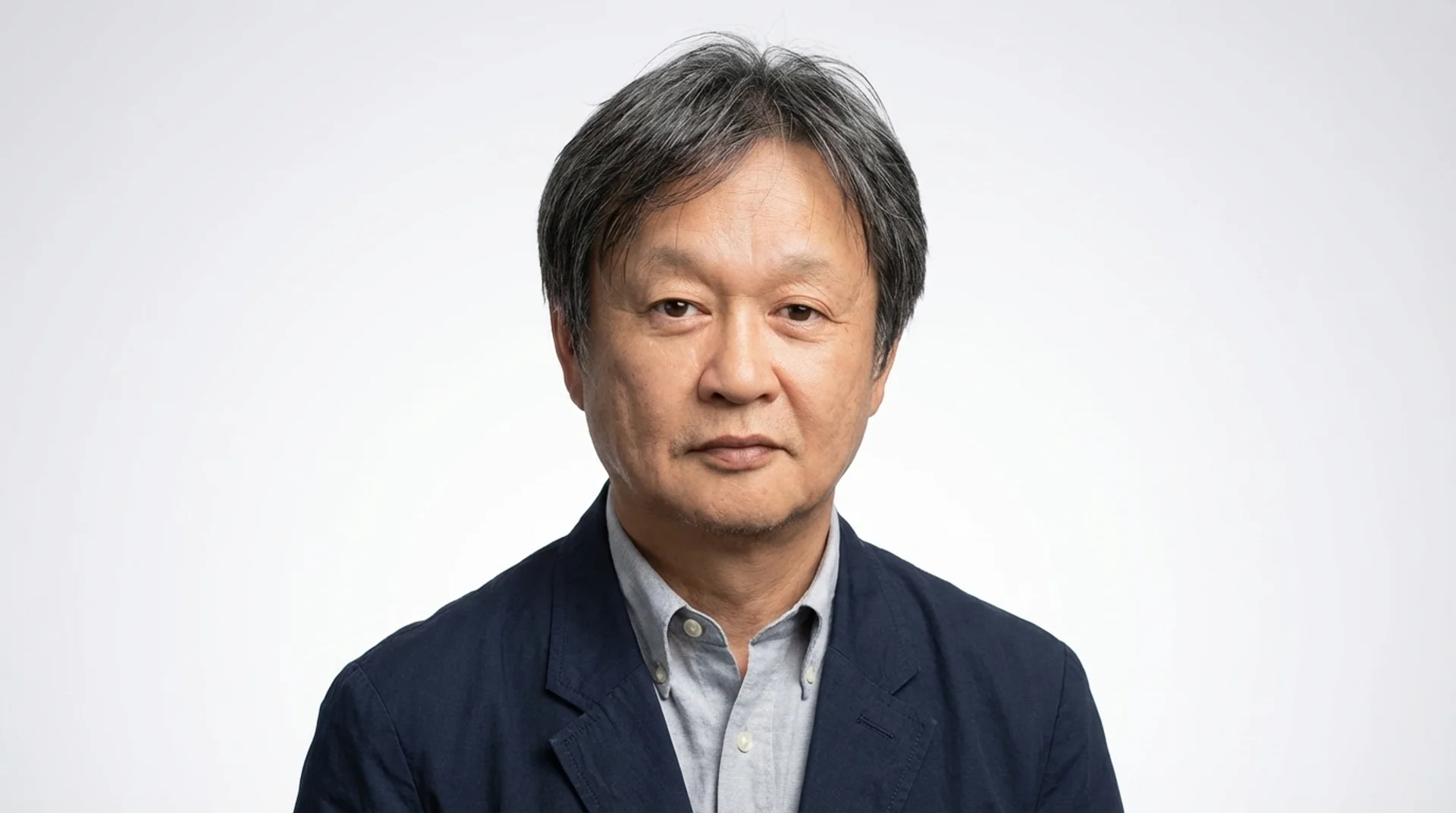



Background and Early Foundations
Notable Roles | |
Key Recognition | - Isamu Noguchi Award |
Naoto Fukasawa was born in Japan in 1956 and developed an early interest in how everyday objects interact with human behavior. He studied product design at Tama Art University, where he built a strong foundation in form, function and usability. His early thinking was influenced by simplicity, clarity and the emotional connection between users and objects.
After graduating, he began his career at Seiko Epson, where he gained practical experience in industrial design and manufacturing. He later moved to the United States, working at IDEO, where he was exposed to global design thinking and user centered innovation. His international experience shaped his philosophy of creating intuitive products that require little explanation and seamlessly integrate into daily life.
Career Milestones and Impact
Year | Milestone |
|---|---|
1980s | Began career at Seiko Epson, developing early industrial design experience. |
1990s | Joined IDEO in the United States, gaining global exposure to user centered design methodologies. |
2003 | Founded Naoto Fukasawa Design, establishing independent design practice. |
2000s | Became a leading designer for MUJI, shaping its minimalist product identity. |
2010s | Collaborated with international brands including Herman Miller and B&B Italia on iconic product designs. |
2018 | Received Isamu Noguchi Award recognizing global influence in design. |
2020s | Continued influence in global industrial design and education, mentoring future designers. |
- Design Scope: Products spanning electronics, furniture and consumer goods
- Global Collaborations: Partnerships with leading international brands
- Awards: Multiple global design recognitions across decades
- Influence: Widely cited as a leading figure in minimalist and human centered design
Leadership Style and Influence
Naoto Fukasawa’s design philosophy centers on simplicity, clarity and intuitive usability. He introduced the concept of “Without Thought,” where products are designed so naturally that users interact with them instinctively. His approach removes unnecessary complexity and focuses on essential functionality.
He emphasizes observation of human behavior as the foundation of design. Rather than imposing form, he studies how people naturally interact with objects and environments, then refines products to align with those patterns. His influence extends beyond products into broader design culture, shaping how companies approach user experience and minimalism.
Legacy and Future Focus
Naoto Fukasawa’s legacy lies in redefining modern industrial design through simplicity and human centered thinking. His work has influenced global brands and helped popularize minimalist aesthetics in everyday products.
Looking forward, his focus remains on refining design philosophy, contributing to education and mentoring the next generation of designers. His continued work emphasizes sustainability, emotional connection and the role of design in improving everyday life.