
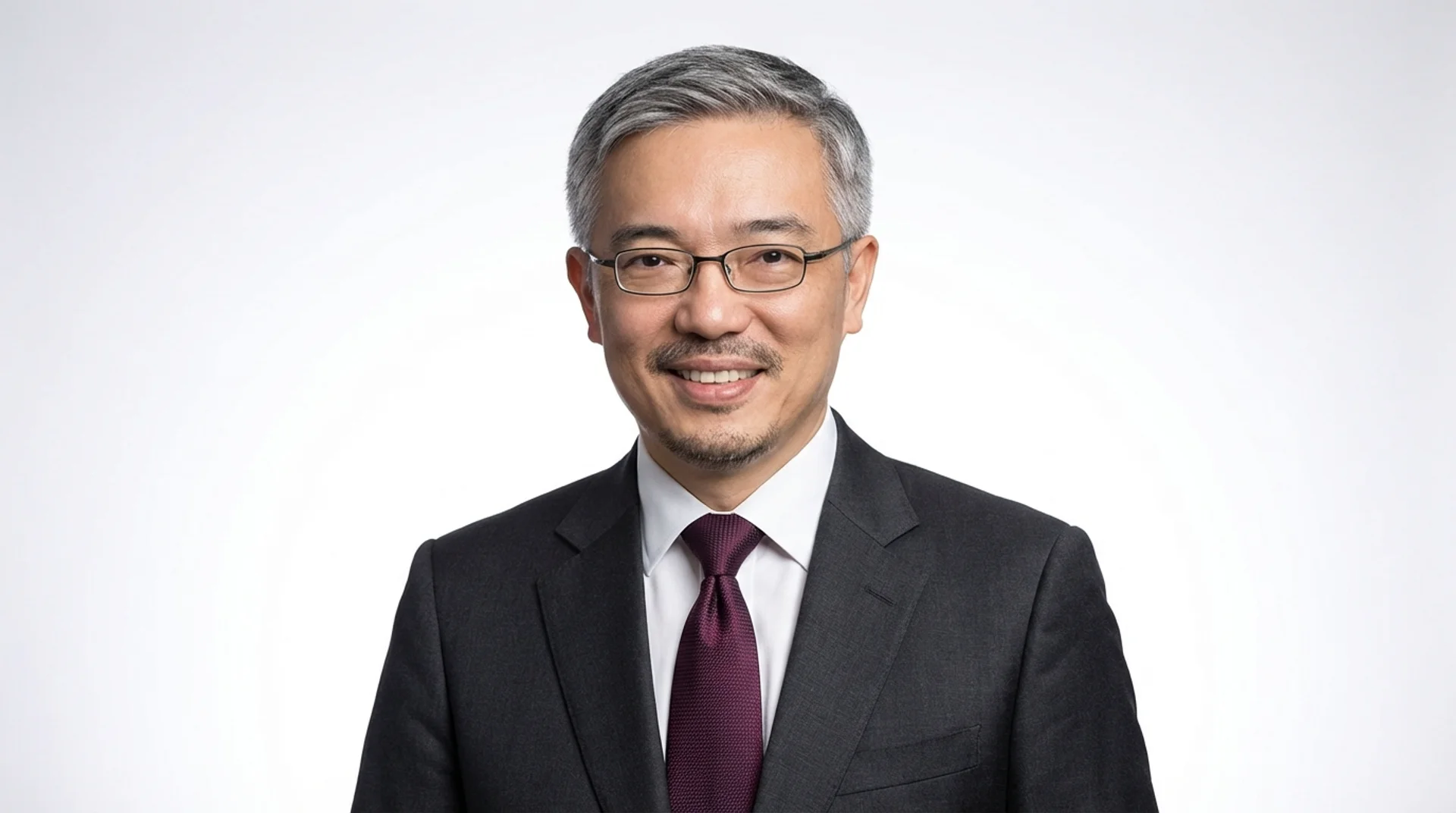




Notable Roles | - Solo Artist & Cultural Advocate (1989–present) |
Key Recognition | - Widely known as “Papa Rock” of Southeast Asia |
Background and Early Foundations
Born in 1952 in Singapore to a working-class Malay family, Ramli Sarip grew up in the boisterous musical neighborhoods of Kampong Glam. Influenced by American blues and traditional Nusantara melodies, he began performing as a teenager. Together with his band Sweet Charity, he gave Malay-language rock a national voice. Largely self-taught, his journey from underground gigs to national accolades embodies the grit of a true self-made artist — one who never forgot his roots.
Career Milestones and Impact
Year | Milestone |
|---|---|
1969 | Formed Sweet Charity, pioneering Malay-language rock in Singapore and Malaysia |
1979 | Released landmark album “Sweet Charity” — blending blues, hard rock, and Malay rhythm |
1989 | Began solo career focusing on spiritual, folk, and cultural themes |
2010 | Appointed ambassador for Malay cultural preservation in Singapore |
2019 | Awarded Singapore’s Cultural Medallion for lifetime achievement in music |
- Active Years: 55+
- Albums Released: Over 20 (band + solo)
- Major Southeast Asian Tours: 30+
- Cultural Medallion Recipient: 2019
- Influence: Iconic figure in Malay rock and interfaith musical dialogue
Leadership Style and Influence
Ramli Sarip leads from the soul. Whether mentoring youth musicians or holding interfaith dialogues through music, he embodies humility, resilience, and authenticity. He is known to favor personal connection over commercial reach, often prioritizing cultural preservation over fame. His presence commands respect, not because he demands it — but because he’s earned it over decades of grounded leadership.
Legacy and Future Focus
As “Papa Rock,” Ramli Sarip’s legacy lives in thousands of musicians and listeners who found a voice through his journey. His ongoing work includes community concerts, oral history projects, and collaborations to preserve Malay poetry through song. The future for Ramli is not retirement — it’s reflection, recording, and reconnecting art with its roots.