


Notable Roles | |
Key Recognition | - Order of the Sacred Treasure Japan |
Background and Early Foundations
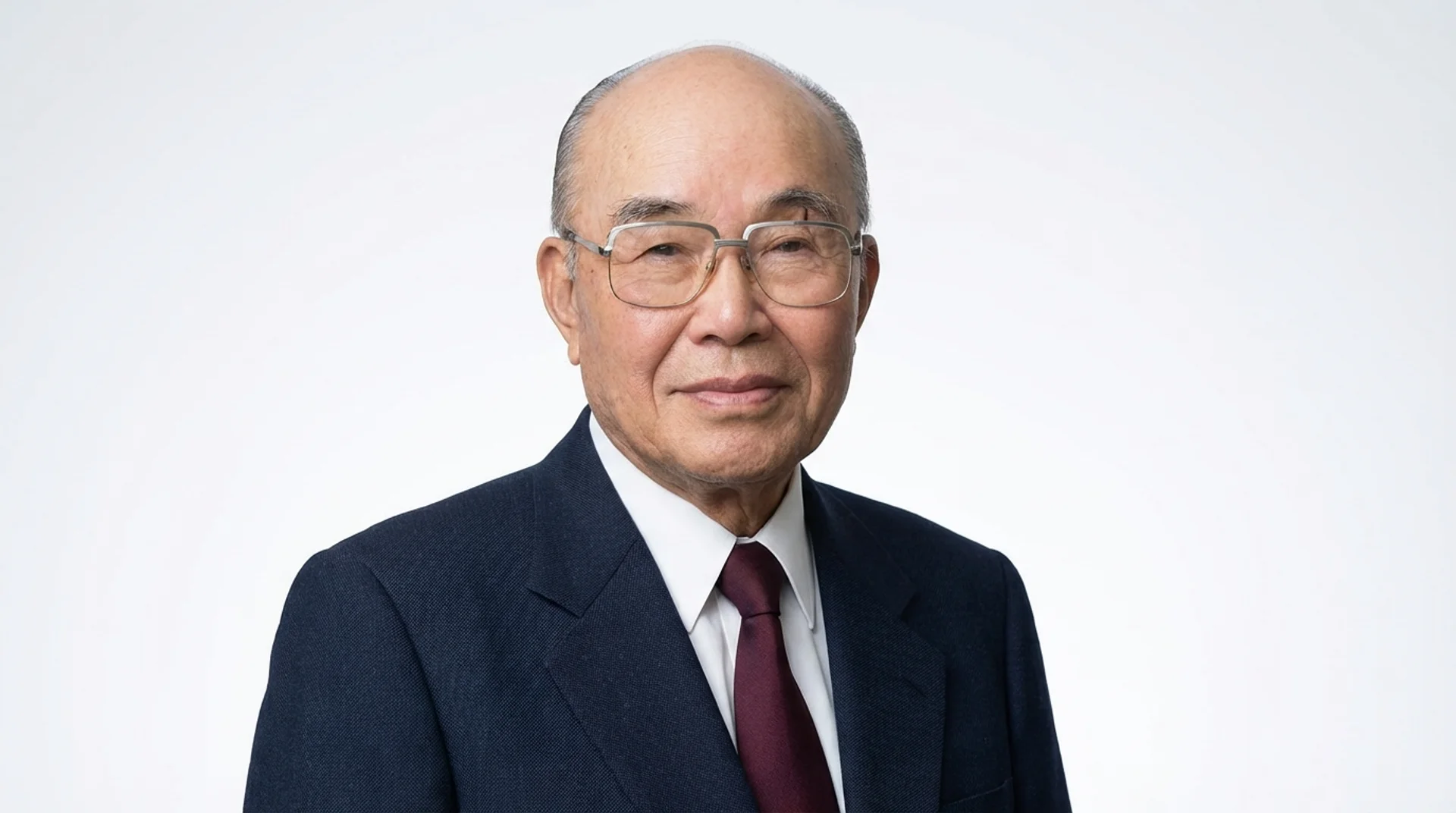
Soichiro Honda was born in 1906 in Shizuoka Prefecture, Japan. His father operated a bicycle repair shop, and from a young age Honda was exposed to mechanical tools, engines and hands on craftsmanship. He developed a fascination with automobiles after seeing one for the first time as a child. That early exposure shaped his lifelong obsession with engines and mechanical performance.
At the age of fifteen, he moved to Tokyo to begin an apprenticeship at an automotive repair shop. Without formal higher education, he learned through experimentation, trial and failure. He later opened his own repair business and began building racing cars. Several early ventures faced setbacks, including factory destruction during World War II. Rather than retreat, he pivoted, selling salvaged assets and preparing for a new industrial chapter in post war Japan.
Career Milestones and Impact
Year | Milestone |
|---|---|
1948 | Founded Honda Motor Co Ltd with Takeo Fujisawa, focusing initially on motorized bicycles to meet post war transportation demand. |
1949 | Launched the Dream D Type motorcycle, establishing Honda’s first proprietary engine product. |
1959 | Entered the United States market, positioning Honda as a global motorcycle exporter. |
1963 | Began automobile production with the T360 mini truck and S500 sports car, marking entry into the automotive sector. |
1972 | Released the Civic, which later gained global recognition for fuel efficiency during the oil crisis. |
1980s | Expanded into North American manufacturing, becoming one of the first Japanese automakers to build cars in the United States. |
1991 | Left behind a company that had become a global leader in motorcycles and a major automotive manufacturer. |
- Founded: Honda Motor Co Ltd in 1948
- Global Rank: One of the world’s largest motorcycle manufacturers
- Automotive Scale: Among top global automobile producers by volume
- International Expansion: Early Japanese automaker to establish overseas production facilities
Leadership Style and Influence
Soichiro Honda was known for engineering intensity, competitive spirit and a refusal to accept conventional limits. He believed that technology should serve practical human needs while constantly pushing performance boundaries. His leadership style combined bold experimentation with disciplined manufacturing standards.
He encouraged open technical debate within the company and valued engineers who challenged assumptions. Unlike traditional hierarchical models common in post war Japan, Honda promoted meritocracy and innovation. His partnership with Takeo Fujisawa balanced technical vision with financial and organizational discipline, forming a complementary leadership structure that fueled rapid growth.
Legacy and Future Focus
Soichiro Honda’s legacy is rooted in resilience and engineering innovation. From modest beginnings in a rural workshop, he built a multinational corporation that reshaped global perceptions of Japanese manufacturing quality. The company’s early focus on fuel efficiency, reliability and affordability positioned it strongly during global oil crises and changing consumer demands.
Today, Honda Motor Co continues to evolve into electric vehicles, hydrogen fuel technologies and advanced mobility systems. The entrepreneurial principles established by its founder, experimentation, global ambition and engineering discipline, remain embedded in the company’s strategic direction.