


A sudden jolt to a rallying market
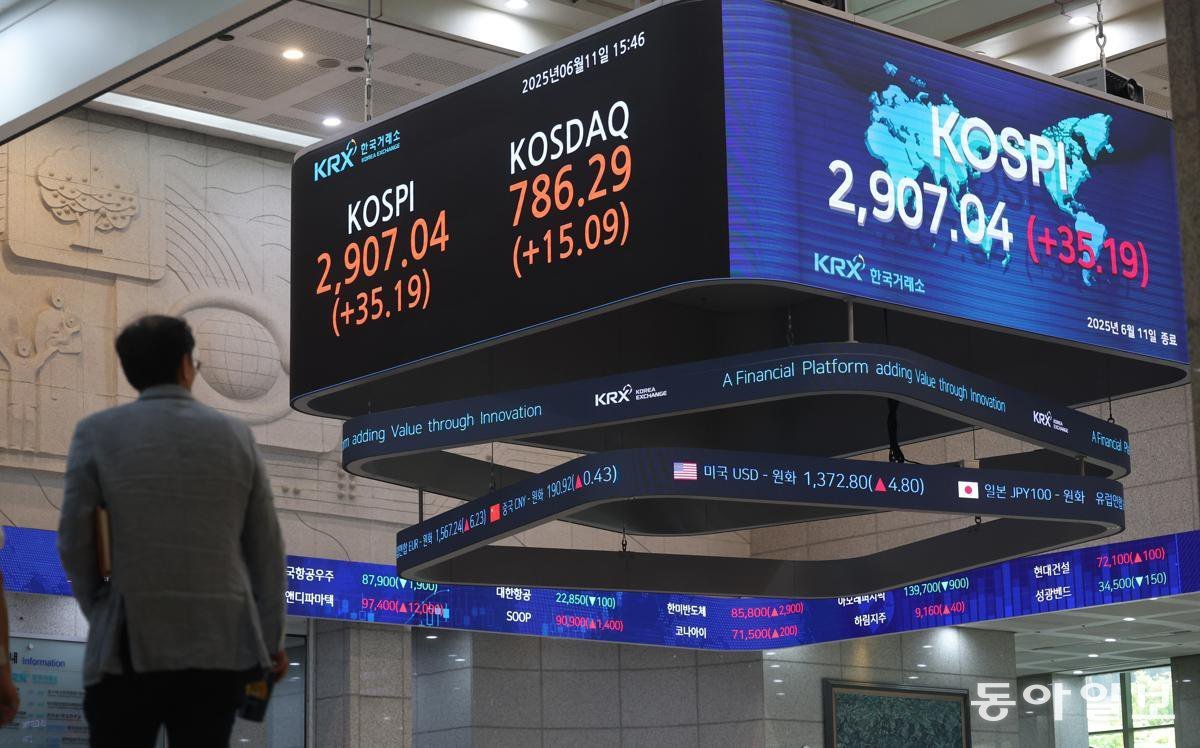
South Korea’s KOSPI, which had gained 33.3% year-to-date, experienced a sharp drop after the Ministry of Economy and Finance unveiled plans to increase corporate and securities transaction taxes. The announcement triggered immediate sell-offs, wiping billions from market capitalization within hours.
Analysts caution that these KOSPI tax hikes could dampen the momentum of ongoing capital market reforms, which have been central to attracting global investors. The sudden change in policy direction has raised questions about the balance between fiscal needs and market competitiveness, especially as South Korea faces shifting global trade and investment flows.
From record highs to rapid retreat
The KOSPI had been enjoying one of its strongest years since the late 2000s. Gains were driven by stellar earnings from leading tech exporters such as Samsung Electronics and SK hynix, alongside rising investor optimism over reforms led by the Financial Services Commission.
Foreign capital inflows surged in early 2025, helped by improved corporate governance rules and expanded dividend policies. Retail investors, increasingly active through digital platforms like Korea Investment & Securities and Mirae Asset Securities, also contributed to steady gains.
However, the government’s proposal to raise corporate tax rates for high-profit firms, combined with higher levies on securities transactions, came as a surprise. Officials argue the measures are needed to secure fiscal stability and fund welfare programs for South Korea’s aging population. Yet, market watchers warn that such moves risk undermining competitiveness, particularly when regional rivals like Taiwan and Singapore maintain lower rates.
When tax policy meets market psychology
The speed and scale of the sell-off highlight how sensitive investor sentiment is to tax policy. While the ministry described the hikes as “moderate and targeted,” traders interpreted the news as a sign of potential fiscal tightening ahead.
Large sell orders hit major sectors, especially technology, finance, and manufacturing—industries that had been key contributors to the rally. Moreover, retail traders moved quickly to secure profits, accelerating the decline. Platforms reported a spike in trade volumes within minutes of the announcement.
For foreign investors, the shift raised concerns over policy predictability. Many have praised South Korea’s recent efforts to align with global standards in transparency and shareholder rights. Now, there is fear that KOSPI tax hikes could reverse some of these gains by making local assets less attractive in comparison to other Asian markets.
Balancing fiscal stability and reform momentum
South Korea is not alone in facing the dilemma of funding social programs without slowing economic growth. The country’s public debt has grown steadily due to pandemic relief measures, energy subsidies, and demographic pressures.
Government officials maintain that raising revenue through selective tax adjustments is less harmful than broad austerity measures. The National Assembly is expected to debate the proposals extensively, and some lawmakers have already signaled interest in phasing in changes over several years rather than imposing them all at once.
Economists note that the KOSPI tax hikes debate is more than a fiscal issue—it is a test of South Korea’s ability to maintain a consistent reform narrative. Any policy seen as contradictory to pro-investment reforms risks slowing capital inflows.
Possible adjustments on the horizon
In the short term, analysts expect continued volatility as investors track political discussions and possible amendments to the bill. If the proposals pass unchanged, sectors heavily dependent on foreign capital—such as tech and green energy—may see reduced inflows in late 2025.
However, there is room for compromise. Industry groups, including the Korea Chamber of Commerce and Industry, are lobbying for exemptions or reduced rates for high-growth sectors. Some suggest offering tax credits for companies investing in innovation and exports to offset higher corporate tax burdens.
Global investors will also be watching how South Korea positions itself in the broader Asian capital market landscape. Markets like Singapore and Taiwan are already marketing themselves as stable, low-tax alternatives. A misstep now could shift momentum away from Seoul.
A critical moment for South Korea’s markets
The KOSPI’s sharp reaction to the proposed tax hikes underscores the delicate balance between fiscal responsibility and market confidence. While raising revenue is a legitimate goal, timing, communication, and investor trust are equally crucial in policy-making.
As the debate unfolds, the coming weeks will test South Korea’s ability to refine its approach. Adjustments that maintain fiscal health without undermining reform progress could help restore stability and keep the country competitive in a fast-moving global market.