


A warning from global finance
Goldman Sachs has warned that global industries face rising supply-chain threats due to China’s overwhelming control of the rare-earths sector. A recent research note highlights that China accounts for 69% of rare-earth mining, 92% of refining, and 98% of magnet manufacturing globally. This level of concentration, the bank says, could hinder production in key sectors such as defense, clean energy, and AI hardware. The warning brings attention to how Asia’s grip on critical materials is reshaping the global economic security agenda.
Why rare earths matter
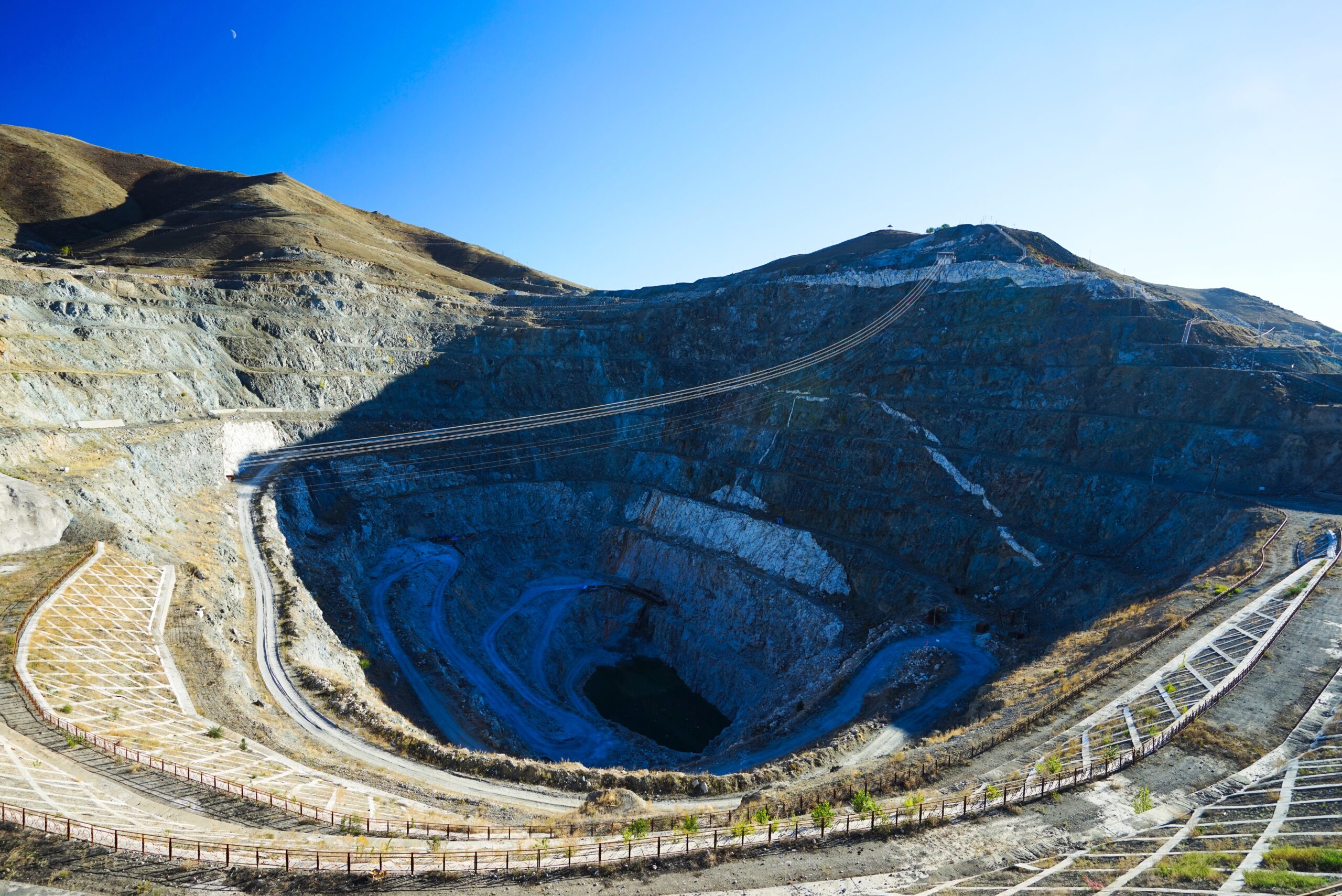
Rare-earth elements—17 metallic minerals including neodymium, terbium, and dysprosium—are essential to modern technology. They power electric vehicles, wind turbines, smartphones, data centers, and military hardware. Despite the term “rare,” these minerals are not scarce. However, extracting and refining them is complex, costly, and environmentally harmful.
China’s dominance in the sector has deep roots. Over the past few decades, the country invested heavily in refining infrastructure. It also adopted policies that encouraged vertical integration—linking mining with refining and manufacturing. Meanwhile, Western economies moved operations abroad due to environmental concerns and lack of incentives for domestic production. Today, this imbalance has led to a global reliance on Chinese output that is hard to unwind.
Supply-chain sovereignty becomes a strategic race
Governments around the world are now racing to reduce reliance on China’s rare-earth industry. The United States, Japan, South Korea, and Australia have all launched projects aimed at building independent mining and processing capabilities. But these efforts face long timelines, high capital costs, and regulatory barriers.
Australia’s Lynas Rare Earths is one of the few non-Chinese companies with significant global output. Canada and Vietnam are developing new sites, though these projects are still years from completion. Japan is focusing on recycling and substitution technologies to reduce dependency, but progress is slow.
China maintains an edge through its scale and coordination. By controlling the entire chain—from raw extraction to finished magnets—it can undercut competitors and influence global pricing. This integrated approach strengthens its position in both green energy and AI industries, where high-performance magnetic materials are crucial.
Asia’s dual role as supplier and competitor
China’s control of rare earths tells a larger story about Asia’s industrial strength. The region has become both supplier and competitor in strategic technologies. For countries like Japan, India, and South Korea, this creates a delicate balance: they depend on Chinese imports but are also seeking ways to reduce risk.
Several Asian economies are forming new alliances to secure resources elsewhere. India is exploring mineral deals in Africa. South Korea is investing in recycling. Japan is funding joint ventures with Australian firms. These moves reflect a growing understanding that access to raw materials is as vital as technological innovation.
China’s dominance also grants geopolitical leverage. It can reward allies or restrict exports to adversaries. For multinational corporations operating in Asia, this means rethinking procurement strategies, building buffer stock, and diversifying supply chains.
Building resilience amid dependency
Full independence from China’s rare-earth sector is unlikely in the short term. Most experts agree that it will take at least a decade for other countries to catch up in refining and magnet production. Technical challenges and environmental standards add further delays.
Still, resilience is growing. The European Union is finalizing its Critical Raw Materials Act to strengthen domestic capabilities. The Quad alliance—which includes the U.S., Australia, India, and Japan—is funding exploration and refining projects across the Indo-Pacific. Even Southeast Asia is joining the effort, with Vietnam and Indonesia emerging as new mining hubs.
South Korean conglomerates are investing in circular-economy technologies, especially recycling. These developments are paving the way toward what analysts call a “multi-node supply network”—a system in which no single country holds absolute control.
For industries like AI hardware and electric vehicles, raw-material security is becoming as important as chip design or software. Companies now face a new challenge: manage supply-chain fragility with the same urgency they apply to cybersecurity or energy pricing.
A warning that echoes beyond minerals
Goldman Sachs’ alert on rare-earth supply chains is not just about minerals—it’s a signal of what’s to come. As global demand for green energy, defense systems, and AI accelerates, control over inputs will shape who leads in output.
Asia’s rare-earth dominance is both an asset and a risk. It offers strategic power but invites scrutiny. For other economies and corporations, the next decade will test whether diversification plans can mature before a supply shock arrives.
China’s role will remain central, but resilience will come from collaboration, innovation, and policy alignment. The global race for rare-earth security has begun—and its outcome will define the future of many advanced industries.