
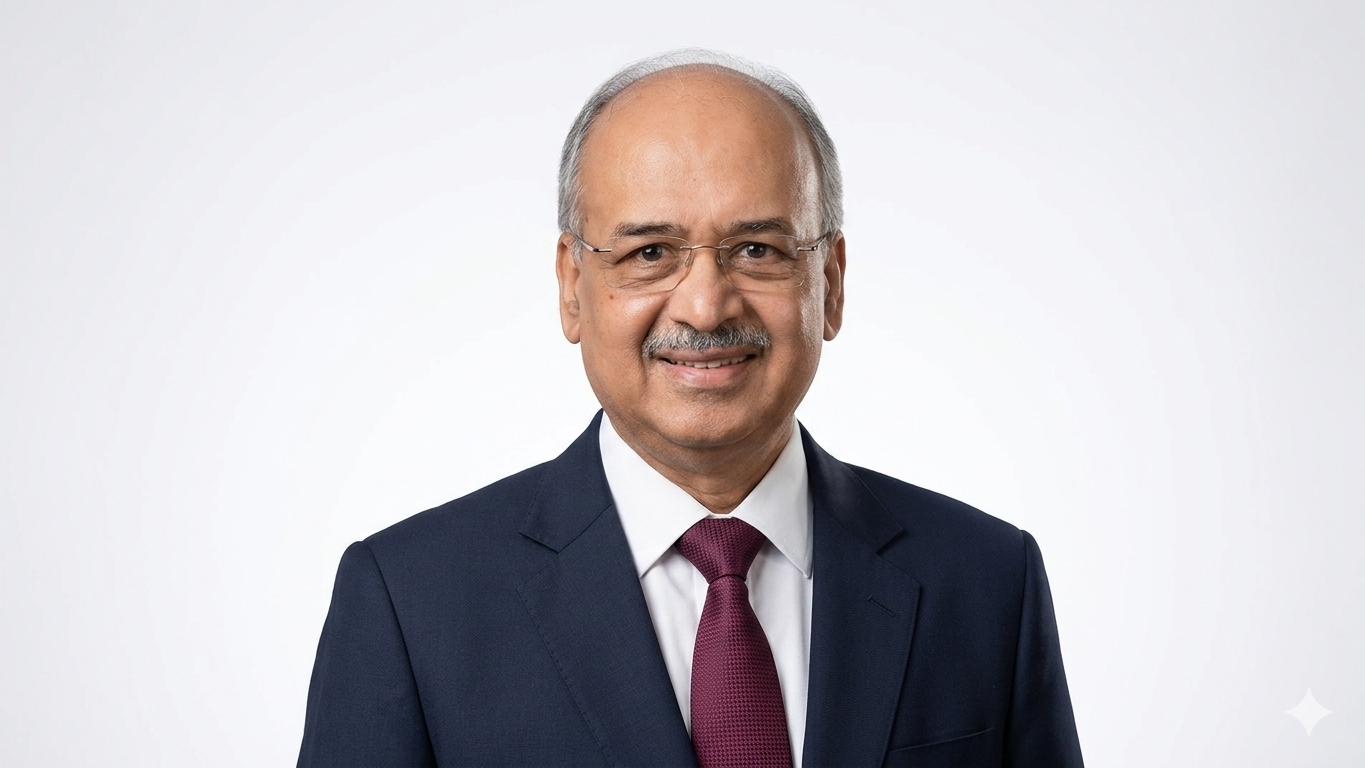




Notable Roles | - Film Director and Screenwriter |
Key Recognition | - Multiple awards including Best New Director and Best Screenplay at major Korean film awards |
Background and Early Foundations
Choi Dong-hoon was born on February 24, 1971, in Jeonju, North Jeolla Province, South Korea. He pursued a degree in Korean Language and Literature at Sogang University and later honed his filmmaking skills at the Korean Academy of Film Arts. Choi began his career as an assistant director on Im Sang-soo’s film “Tears” (2000), which laid the groundwork for his future in the film industry.
Career Milestones and Impact
Year | Milestone |
|---|---|
2004 | Debuted as a director and screenwriter with "The Big Swindle," revitalizing the Korean crime thriller genre. |
2006 | Directed "Tazza: The High Rollers," a film about gambling that became the second highest-grossing Korean film of the year. |
2009 | Released "Jeon Woo-chi: The Taoist Wizard," Korea's first fantasy/superhero blockbuster. |
2012 | Directed "The Thieves," which attracted nearly 13 million viewers, becoming the second highest-grossing film in Korean history at the time. |
2015 | Released "Assassination," a period action film set during the Japanese occupation, which garnered over 12.7 million admissions. |
2022 | Returned with "Alienoid," a sci-fi fantasy film blending time travel and alien elements. |
2024 | Released "Alienoid: Return to the Future," continuing the saga of his ambitious sci-fi narrative. |
- Box Office Success: All of Choi’s films have been commercial hits, with “The Thieves” and “Assassination” each surpassing 12 million admissions.
- Awards: Recipient of numerous accolades, including Best New Director and Best Screenplay at the Blue Dragon Film Awards, Grand Bell Awards, and Korean Film Awards.
- Genre Influence: Credited with pioneering the Korean heist and fantasy genres, setting new standards for storytelling and production quality.
Leadership Style and Influence
Choi Dong-hoon is renowned for his meticulous storytelling, dynamic character development, and ability to blend various genres seamlessly. His films often feature ensemble casts and intricate plots, reflecting his commitment to crafting engaging narratives. Choi’s influence extends beyond box office numbers; he has played a pivotal role in elevating Korean cinema’s global profile.
Legacy and Future Focus
Choi’s innovative approach to filmmaking has left an indelible mark on the Korean film industry. As he continues to explore new genres and storytelling techniques, audiences eagerly anticipate his future projects, which are expected to push the boundaries of conventional cinema further.