



Japan’s telecom giant bets on startups for regional growth
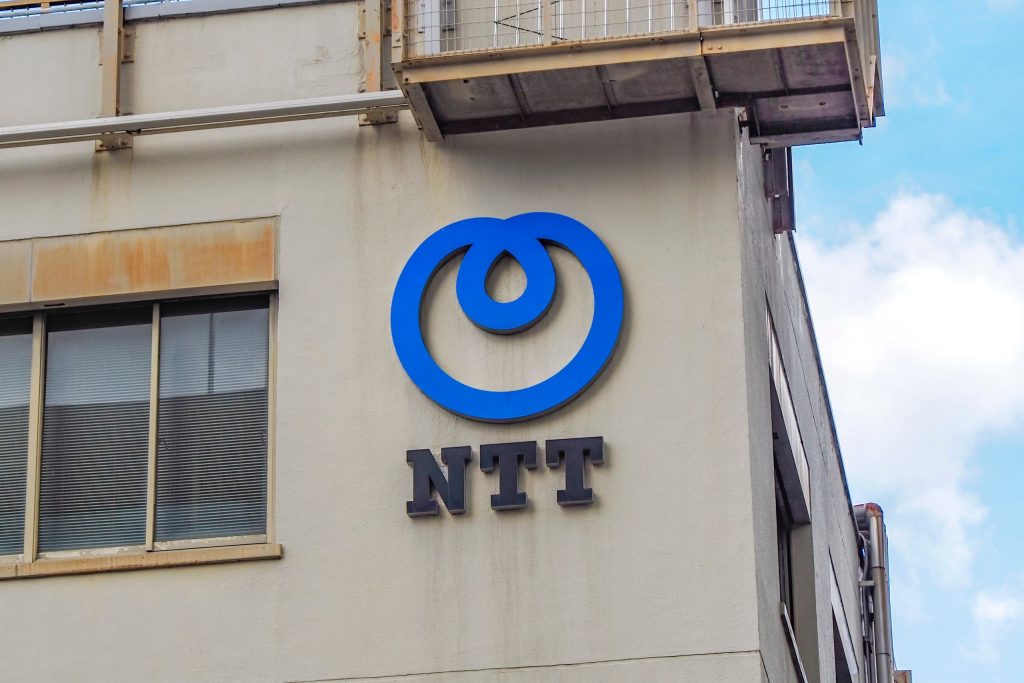
NTT Group is sharpening its Southeast Asia innovation strategy with the creation of Synexia Ventures, a new Singapore-based investment vehicle jointly set up by NTT DOCOMO Ventures and NTT Finance. Scheduled to launch on 15 December 2025, Synexia Ventures will invest in promising startups across Singapore, Indonesia, Malaysia, and the Philippines, focusing on AI, IoT, smart cities, robotics, and drones. The move signals a deliberate shift in how NTT expands in the region: instead of relying only on internal R&D, it is building a structured pathway to co-create with local founders and accelerate market-ready innovation.
From domestic corporate venture to pan-regional platform
NTT’s venture activity has traditionally been anchored in Japan, where corporate investment arms have supported technologies aligned with telecom, infrastructure, and digital services. NTT DOCOMO Ventures has built a long track record of strategic investing, while NTT Finance has supported business growth through financial and leasing services. The formation of Synexia Ventures represents the first time NTT has established a dedicated, Southeast Asia–focused investment vehicle based outside Japan.
The timing reflects a wider reality in Southeast Asia. The region’s startup ecosystem has matured rapidly over the past decade, producing category leaders in mobility, fintech, logistics, and enterprise SaaS, while also welcoming a new wave of deep-tech builders. Governments and industry bodies across ASEAN have promoted digital transformation, while corporate players increasingly look to startups for speed, talent, and market intimacy. For a group like NTT—whose scale spans telecom networks, data centers, enterprise IT, and smart-infrastructure projects—Southeast Asia offers both growth and strategic relevance, but also demands constant innovation tuned to local conditions.
Synexia Ventures is structured to provide that tuning. Operating from Singapore, it gives NTT a regional base close to founders, accelerators, and government-linked innovation nodes, allowing the group to scout early technologies and partner with them before they scale into global competitors.
Turning startup collaboration into operating advantage
Synexia Ventures is designed around specific technology frontiers where Southeast Asia is moving fast and where NTT can add industrial-scale leverage. The fund will target startups in AI, IoT, smart cities, robotics, and drones—areas tied directly to NTT’s long-term business priorities, from connected infrastructure to autonomous systems.
What makes this strategic is not only capital, but integration potential. NTT’s enterprise footprint across Asia allows it to pilot solutions rapidly, plug startups into real commercial environments, and scale proven products through existing customer networks. For example, AI and IoT startups can be integrated into NTT’s cloud, data-center, and network services to build region-specific enterprise offerings. Smart-city ventures can benefit from NTT’s track record in urban digital infrastructure, while robotics and drone firms gain access to industrial partners, logistics operators, or public-sector clients already working with NTT. This creates a flywheel: startups gain distribution and credibility, while NTT gains faster innovation cycles and regional relevance.
The Singapore base also matters. Synexia’s location aligns it with Southeast Asia’s capital and talent corridors and positions the fund to participate early in cross-border scaling stories. Operating in-market reduces the distance between corporate strategy and startup reality, which is often where corporate venture initiatives struggle. Here, Synexia is built explicitly to be a frontline platform, not a remote balance-sheet allocation.
Why NTT’s move matters for Japan and SEA
Synexia Ventures highlights a broader pivot in Japanese corporate expansion. Historically, large Japanese firms entered Southeast Asia through acquisitions, infrastructure builds, or joint ventures with established players. Those tactics remain important, but the region’s growth now depends on digital layers that evolve too quickly for traditional models to capture. Building with startups is a way to stay inside that velocity.
For NTT, this is especially timely. Southeast Asia’s digitization wave is moving from consumer platforms to foundational infrastructure—enterprise AI adoption, automated supply chains, smarter urban services, and autonomy in physical operations. The sectors Synexia targets sit right at that shift. By investing early, NTT is not only buying optionality, it is shaping the ecosystem it will later depend on for service innovation.
For Southeast Asian founders, a Japan-linked strategic investor brings a different kind of value. Beyond capital, it offers long-range partnerships, global enterprise customers, and pathways into Japan’s regulated and high-trust B2B markets. That becomes particularly valuable for deep-tech startups that need patient commercialization cycles and industrial-grade validation.
In short, Synexia Ventures is a signal that Japan’s largest infrastructure groups are no longer treating Southeast Asia as just a market, but as a co-innovation arena.
From first fund to regional innovation network
Synexia’s success will depend on whether it can translate investments into deployed solutions. If NTT uses the platform to pilot and scale technologies across its operating companies, Synexia could evolve into a long-term regional innovation network that continuously refreshes NTT’s product stack in Southeast Asia. The choice of sectors suggests patience and ambition: AI, robotics, and smart-city systems are not quick-return themes, but they are defining pillars for the next decade of regional growth.
The fund may also encourage more Japan-to-SEA venture bridges. As NTT builds visible momentum, other Japanese corporates looking for Southeast Asian growth may follow with similarly localized venture mandates, accelerating cross-border capital flow and technical collaboration. For Southeast Asia, that could mean more diversified strategic investors, deeper industrial partnerships, and increased pathways for startups to scale beyond ASEAN.
A new playbook for regional expansion
The formation of Synexia Ventures marks a meaningful evolution in NTT’s Southeast Asia strategy. By basing a dedicated investment vehicle in Singapore and focusing on frontier technologies, NTT is positioning startups as central partners in its next phase of regional expansion. The move reflects a broader shift in Asia’s innovation economy: the future of infrastructure and digital services will be built not only by incumbents, but with the founders who are reinventing what technology can do in real environments.