



Pakistan sovereign asset tokenisation moves from concept to policy discussion
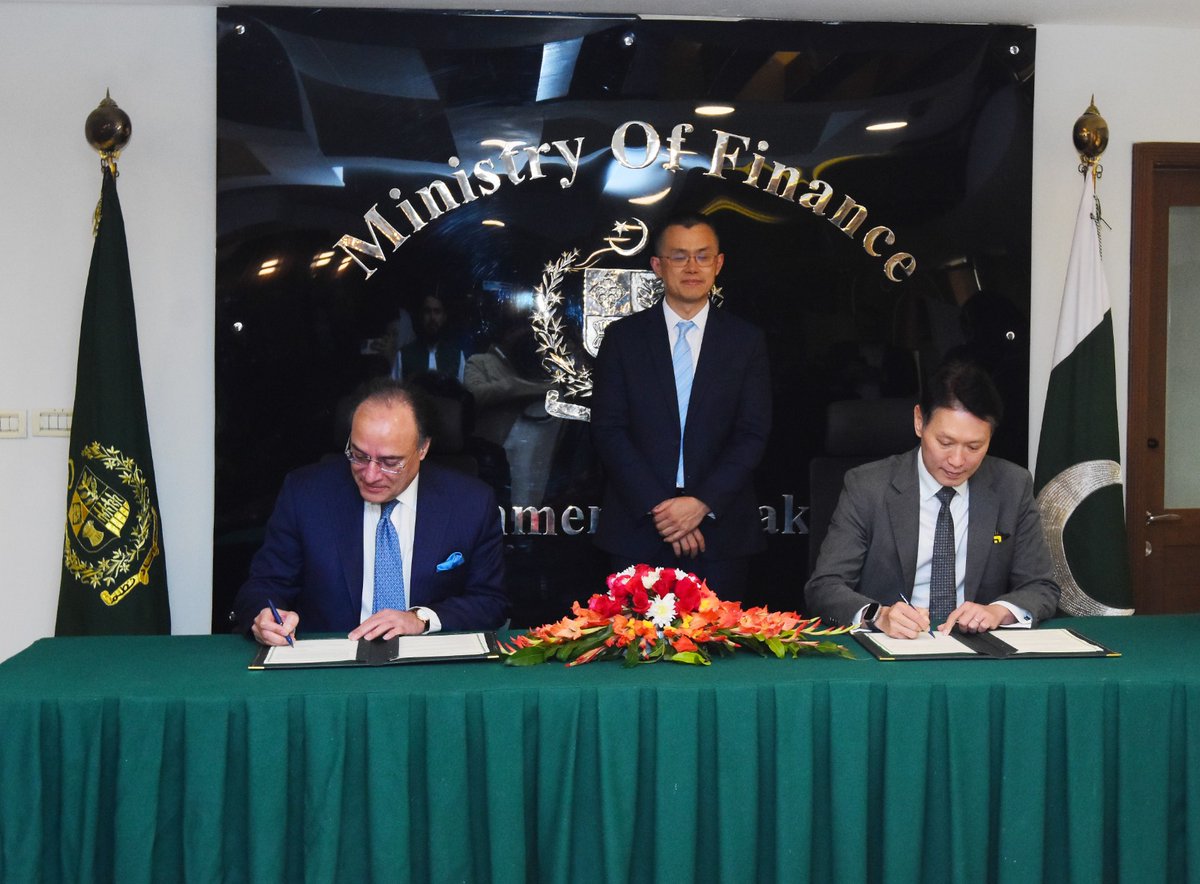
Pakistan has taken a notable step into regulated digital finance by signing a memorandum of understanding with Binance and HTX to explore the tokenisation of up to $2 billion in sovereign assets. The initiative, led by the country’s finance ministry, signals a shift from informal crypto activity toward structured experimentation with blockchain-based financial infrastructure.
The move positions Pakistan within a growing group of Asian economies testing how tokenisation can improve transparency, liquidity, and access to capital. While exploratory in nature, the scale involved and the participation of major global crypto platforms elevate the initiative beyond a pilot narrative.
Why sovereign asset tokenisation is gaining policy attention
Tokenisation allows real-world assets such as bonds, commodities, or infrastructure-linked instruments to be represented digitally on blockchain networks. For governments, this model promises faster settlement, fractional ownership, and broader investor access. In emerging markets, it also opens discussion around alternative capital mobilisation tools outside traditional debt channels.
Pakistan’s interest reflects broader regional momentum. Across Asia, policymakers are reassessing how digital asset frameworks can coexist with existing financial systems. Rather than embracing open-ended crypto trading, many governments are focusing on controlled use cases such as asset-backed tokenisation, which can be regulated, audited, and aligned with fiscal objectives.
For Pakistan, the timing matters. The country faces ongoing fiscal pressures, currency volatility, and capital market constraints. Exploring sovereign asset tokenisation offers a way to study whether blockchain infrastructure can complement conventional financing without undermining monetary or regulatory stability.
How Pakistan is structuring its tokenisation exploration
The memorandum signed with Binance and HTX establishes a public–private framework rather than a unilateral state project. Pakistan’s finance ministry is positioning itself as the regulator and policy anchor, while private platforms contribute technical expertise, market infrastructure, and operational knowledge of digital asset issuance.
The reported $2 billion figure represents an upper exploration limit rather than a confirmed issuance pipeline. This suggests a phased approach, where feasibility, regulatory design, and investor safeguards are evaluated before any live deployment. Such caution aligns with Pakistan’s stated goal of regulated adoption rather than speculative exposure.
Partnering with global crypto exchanges also reflects strategic realism. Building tokenisation infrastructure internally would require time, talent, and capital. By working with established platforms, Pakistan can accelerate learning while retaining policy oversight. At the same time, involving multiple private partners reduces reliance on a single technology or operational model.
A cautious signal, not a full crypto pivot
This initiative should not be misread as Pakistan embracing unrestricted crypto markets. Instead, it reflects a pragmatic attempt to test blockchain utility under government supervision. Sovereign asset tokenisation offers a narrow, controllable use case that keeps speculative retail trading at arm’s length.
However, execution risks are significant. Tokenising sovereign assets requires clarity on asset backing, investor rights, custody, dispute resolution, and cross-border compliance. Without robust legal frameworks, tokenised instruments risk being seen as experimental rather than investable. For Pakistan, credibility will matter as much as innovation.
There is also a reputational dimension. Partnering with large global exchanges brings expertise, but it also imports scrutiny. Regulatory actions or compliance controversies involving partners elsewhere could spill over into perception risk. Managing that balance will test Pakistan’s institutional capacity and governance discipline.
What will determine success or stall
The next phase will likely focus on regulatory groundwork. Drafting clear rules around issuance, custody, and secondary trading will be essential before any assets are tokenised. Observers should watch for the creation of sandbox frameworks or pilot instruments tied to specific asset classes rather than broad sovereign portfolios.
Investor targeting will also shape outcomes. If tokenised assets are designed primarily for institutional or offshore investors, adoption dynamics will differ sharply from retail-focused models. Pakistan’s ability to attract credible anchor investors will influence whether tokenisation moves beyond experimentation.
Finally, coordination across government agencies will matter. Tokenisation touches finance, central banking, securities regulation, and technology oversight. Alignment across these bodies will determine whether the initiative becomes a repeatable policy tool or remains a one-off exploration.
Pakistan’s tokenisation move tests regulated Web3 pathways
Pakistan’s agreement with Binance and HTX marks a meaningful step toward sovereign asset tokenisation as a regulated financial experiment. The scale under discussion and the involvement of global platforms elevate the initiative beyond symbolic signaling.
Still, the outcome will depend on governance, regulatory clarity, and disciplined execution. If managed carefully, tokenisation could become a complementary tool in Pakistan’s financial strategy. If rushed or poorly structured, it risks reinforcing skepticism around public-sector crypto initiatives. For now, the move places Pakistan firmly in Asia’s evolving conversation on how Web3 technologies can integrate with sovereign finance.