
SBS Drama Awards 2025 crowns Lee Je-hoon with Daesang for Taxi Driver 3
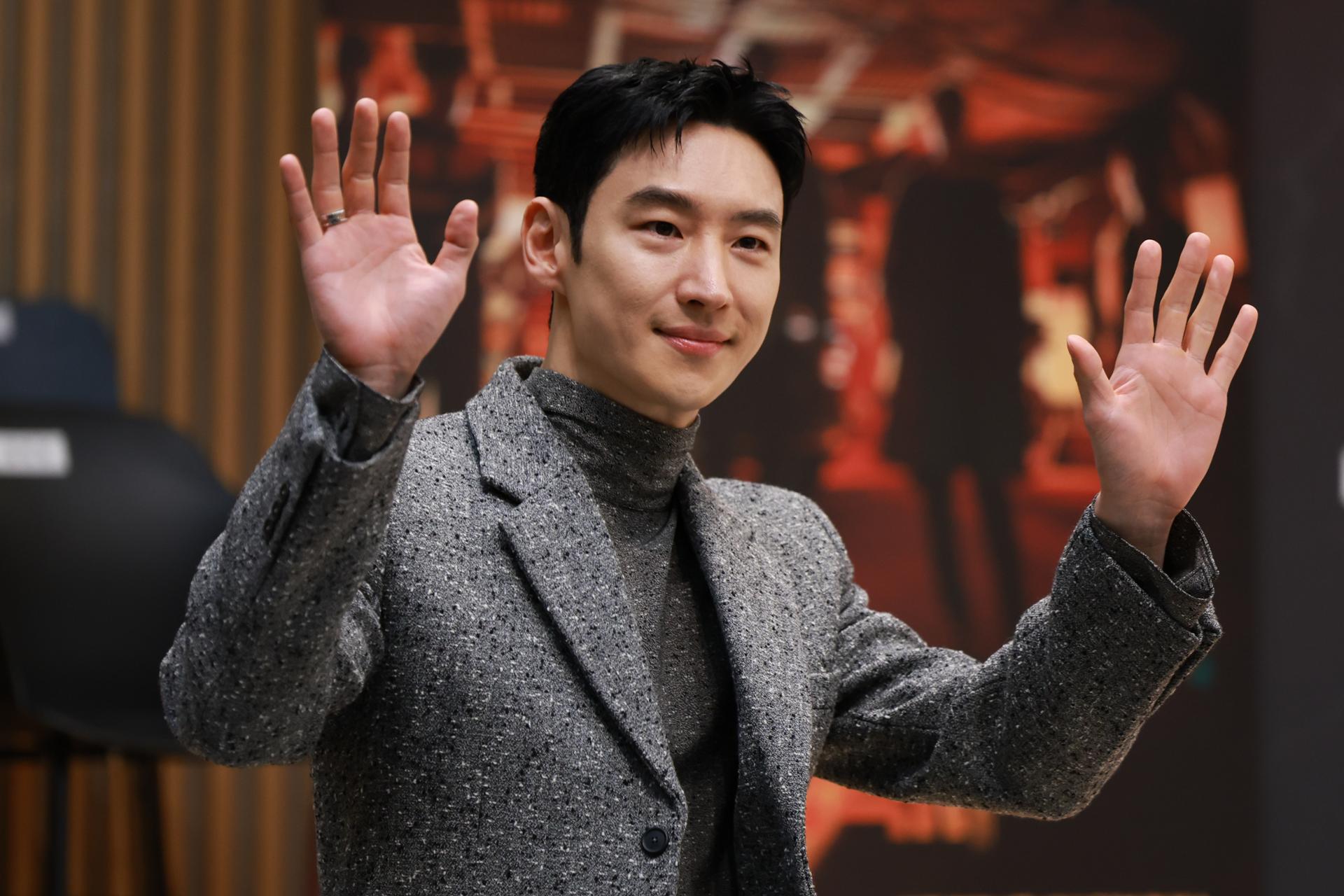
The 33rd SBS Drama Awards, held in Seoul on December 31, 2025, closed the year with one of Korean television’s most closely watched honours. Lee Je-hoon received the Grand Prize (Daesang) for his performance in Taxi Driver 3, cementing his status as one of Korea’s most reliable and versatile leading actors.
The ceremony reaffirmed the SBS Drama Awards as a major year-end cultural event in Asia’s entertainment calendar. Beyond trophies, it reflected how Korean television continues to shape regional storytelling trends, audience engagement, and star power across Asia.
Why the SBS Drama Awards remain a benchmark event
For over three decades, the SBS Drama Awards have served as a year-end reflection of Korea’s television landscape. The awards recognise not only individual performances but also broader shifts in genre popularity, production values, and audience taste. Winning at SBS carries weight because the network consistently delivers high-impact dramas that travel well across Asia.
The 2025 ceremony arrived during a strong year for Korean television. Streaming platforms and traditional broadcasters both invested heavily in premium drama production. As a result, competition intensified across genres, from crime and thriller series to romance and historical epics. In this context, the Daesang symbolised sustained excellence rather than a single breakout moment.
How Taxi Driver 3 elevated Lee Je-hoon’s standing
Lee Je-hoon’s Daesang win was closely tied to the success of Taxi Driver 3, the latest instalment of a franchise that blends social commentary with action-driven storytelling. The series demanded emotional range, physical intensity, and long-arc character development, all of which Lee delivered consistently across the season.
From a career perspective, the role marked a strategic continuation rather than reinvention. Lee has built a reputation for choosing projects that balance commercial appeal with narrative depth. By returning to Taxi Driver while refining the character’s moral complexity, he strengthened audience attachment without repeating past performances.
The franchise itself benefited from disciplined production choices. Strong ensemble casting, tight pacing, and topical themes helped the series maintain relevance. Lee’s leadership anchored these elements, allowing Taxi Driver 3 to perform strongly in ratings and cultural impact, which in turn reinforced his case for the top honour.
The Daesang reflects trust, not just popularity
Daesang wins often reflect trust between actor, broadcaster, and audience. In Lee Je-hoon’s case, the award recognised reliability as much as star power. Viewers trust him to carry complex narratives. Producers trust him to sustain long-running projects. SBS trusted that Taxi Driver 3 could headline its year-end slate with confidence.
This trust matters in an era of crowded content. With audiences spoiled for choice, consistency becomes a competitive advantage. Lee’s performance demonstrated how sustained character investment can outperform short-term novelty. His Daesang also signalled SBS’s belief in franchise storytelling when executed with care rather than repetition.
The result reinforces a broader industry lesson. Awards increasingly favour actors who balance craft with responsibility. In Korean television, leading roles often shape social conversations. Lee’s portrayal resonated because it blended entertainment with reflection, a balance that awards juries and viewers alike value.
What the win means for Lee Je-hoon and Korean TV
Looking ahead, Lee Je-hoon’s Daesang win is likely to expand his project options rather than limit them. While franchise success often invites typecasting, Lee has historically alternated between genres. The recognition gives him leverage to pursue diverse roles while maintaining commercial viability.
For Korean television, the 2025 SBS Drama Awards highlighted the durability of well-managed franchises and actor-led storytelling. Networks may invest further in sequels that offer thematic progression rather than repetition. At the same time, the ceremony showcased rising talent and ensemble strength, suggesting that future Daesang races will remain competitive.
Internationally, the awards reinforce Korean drama’s influence across Asia. Year-end ceremonies serve as marketing moments as much as celebrations. They spotlight titles and performances that continue to attract regional audiences through broadcast syndication and streaming distribution.
Lee Je-hoon’s Daesang caps a defining year for SBS drama
Lee Je-hoon’s Daesang win for Taxi Driver 3 stands as the defining moment of the SBS Drama Awards 2025. It recognised a performance built on consistency, emotional depth, and audience trust, rather than fleeting popularity.
As Korean television continues to evolve, the award underscores what endures: strong storytelling, disciplined production, and actors who commit fully to their roles. For Lee Je-hoon and SBS alike, the night marked not just an ending, but a benchmark for what comes next.