

For decades, Japanese enterprises relied on legacy systems built for stability rather than speed. However, as labour shortages grow and digital competition rises, modernisation has become urgent. As a result, a new generation of Japanese founders has stepped in to rebuild core systems finance, HR, collaboration, and decision tools without breaking trusted workflows.
Below are 10 well-known Japanese founders who are quietly but decisively modernizing legacy enterprise systems, ranked from higher to lower market value or enterprise impact.
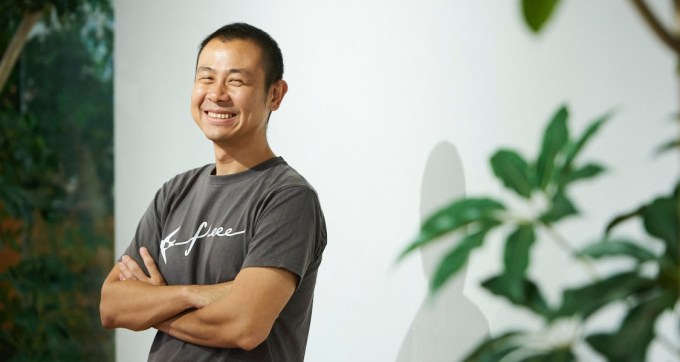
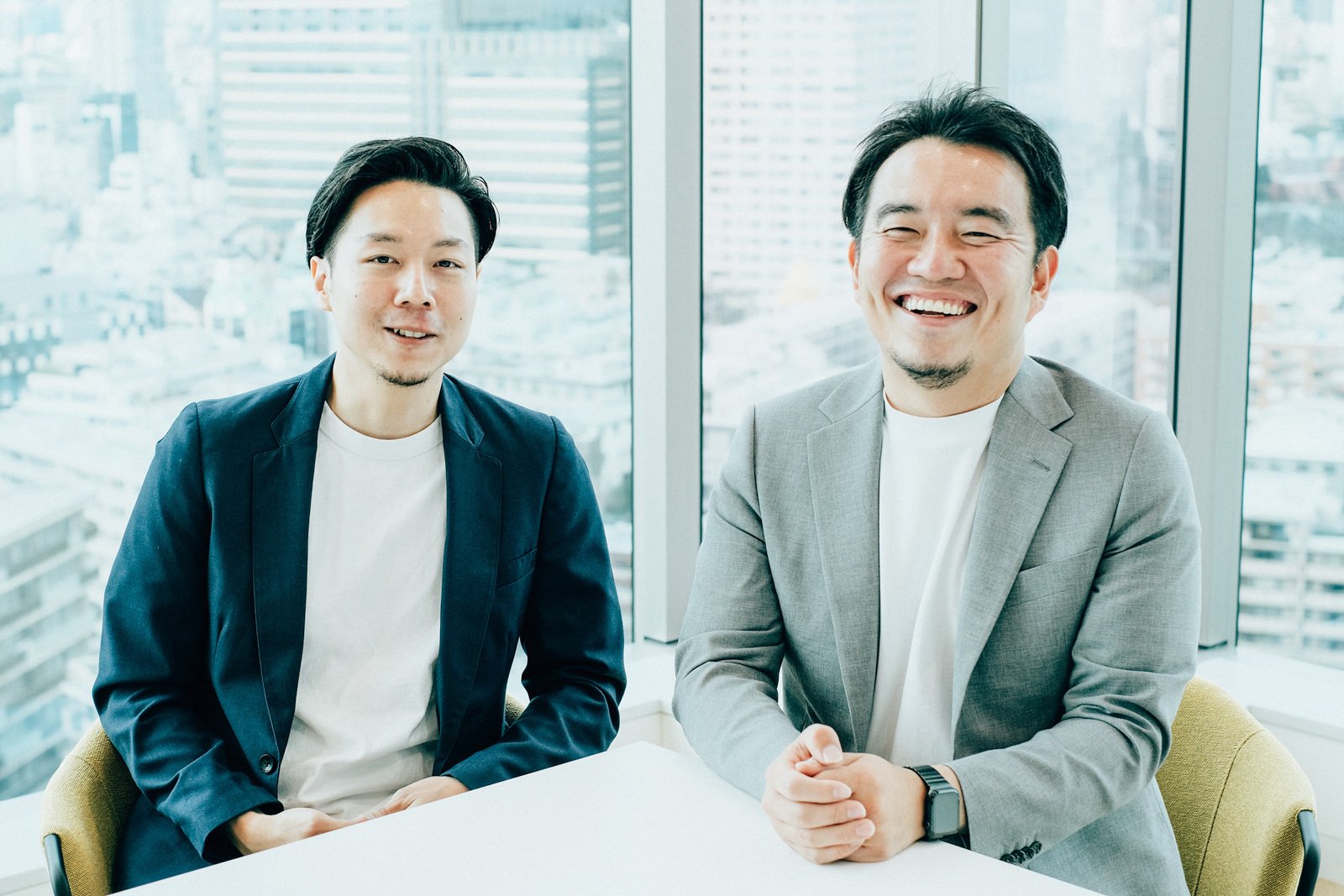
Image by techcrunch
Freee |
- Japan
Founder: Daisuke Sasaki
Market capitalisation around US$2 billion (TSE-listed).
Freee replaced manual accounting and payroll systems with cloud-based software designed for Japanese compliance rules. As a result, thousands of enterprises now manage finance tasks faster and with fewer errors. Moreover, Freee helped shift Japan’s back office from paper-heavy processes to real-time digital workflows.
Image by Tech in Asia
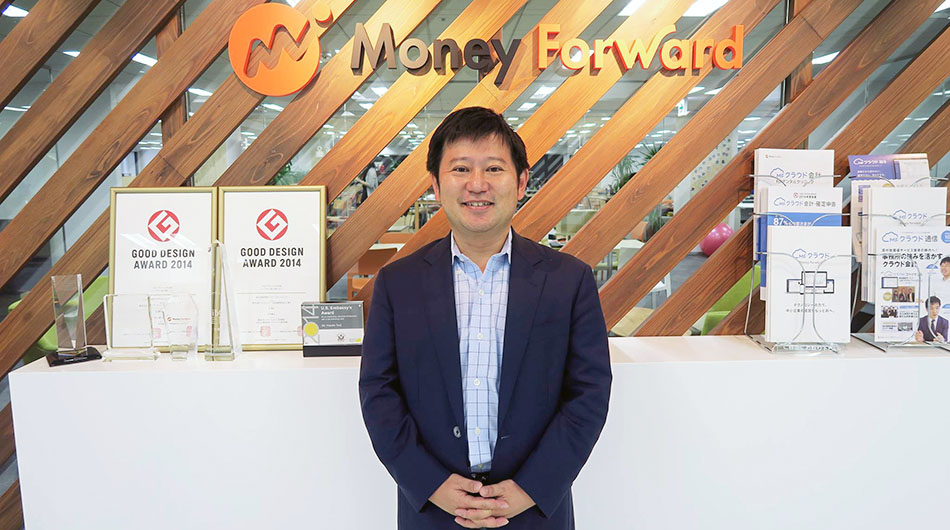
Money Forward |
- Japan
Founder: Yosuke Tsuji
Market capitalisation around US$1.6 billion.
Money Forward modernised enterprise finance by bringing accounting, expense tracking, and financial planning into a single cloud platform. In addition, its tools integrate smoothly with existing systems, which helps large firms upgrade without disruption. Because of this, it is widely used across Japan’s corporate sector.
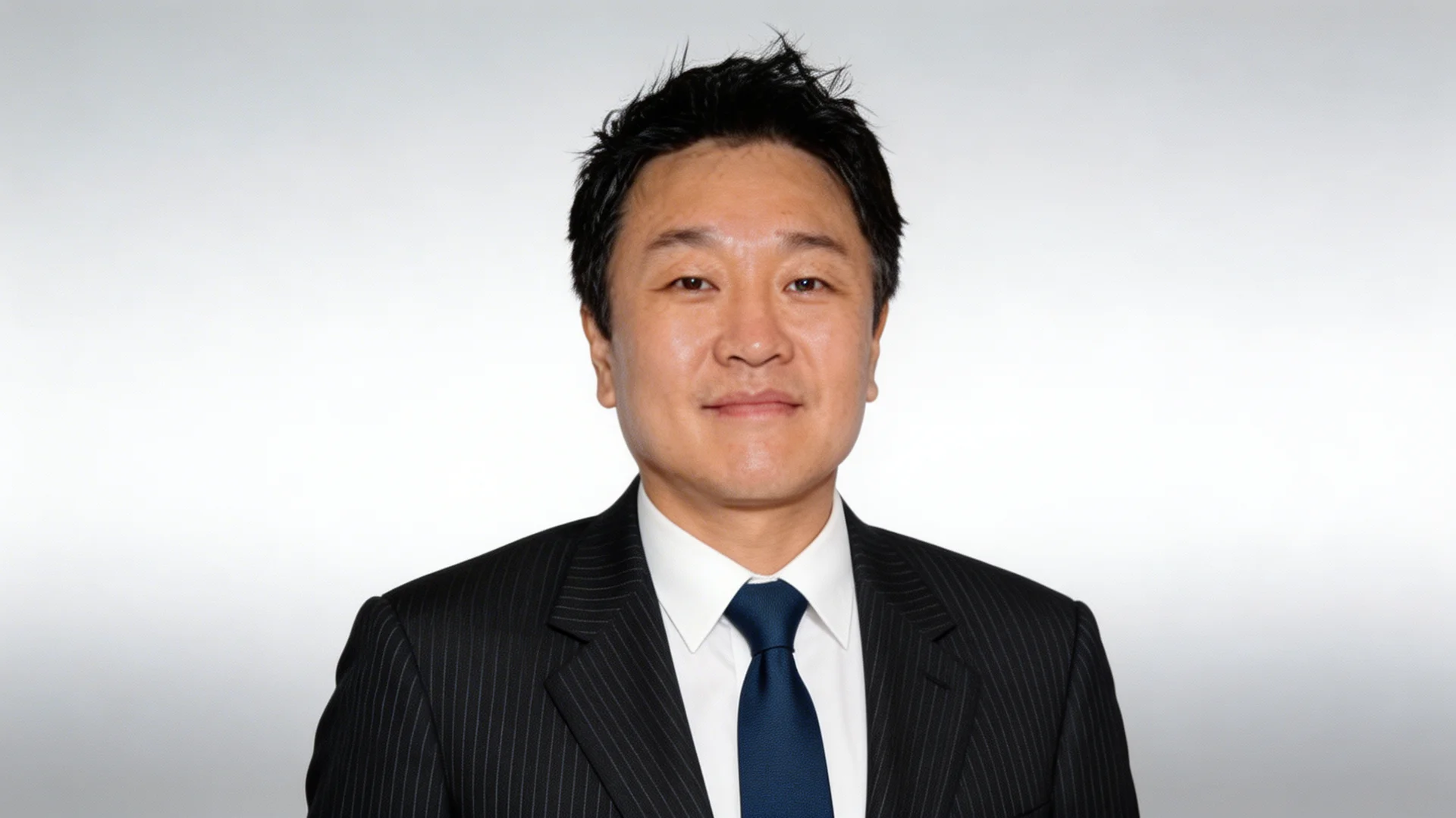
Image by ダイヤモンド・オンライン
SmartHR |
- Japan
Founder: Shoji Miyata
Valuation estimated at ~US$1.2 billion (private).
SmartHR digitised labour compliance, payroll, and HR administration in Japan. Instead of complex legacy software, enterprises use SmartHR to handle employee records with ease. At the same time, the platform reduces legal risk, which makes it especially attractive to large employers.
Image by techcrunch
Sansan |
- Japan
Founder: Chikahiro Terada
Market capitalisation around US$1.1 billion.
Sansan transformed a uniquely Japanese business habit business card exchange into structured enterprise data. As a result, companies can manage contacts digitally instead of relying on paper files. Moreover, Sansan connects sales and CRM workflows across large organisations.
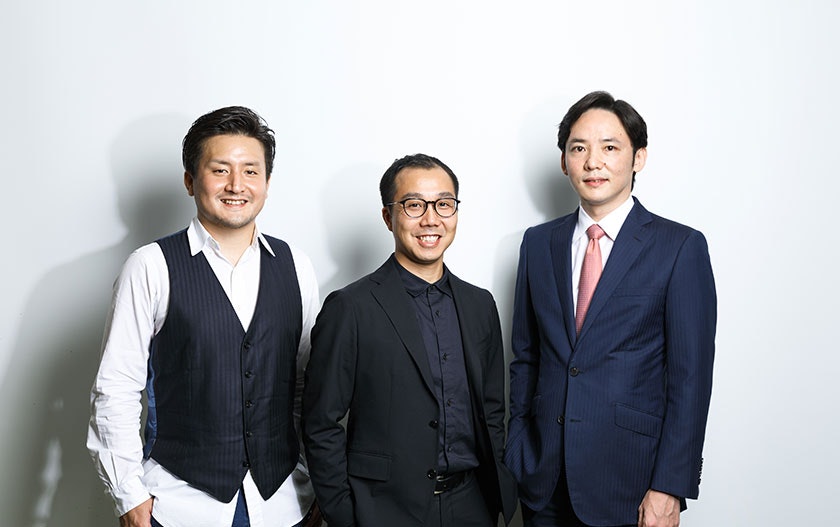
Image by cybozu.co.jp
Cybozu |
- Japan
Founder: Yoshihisa Aono, Toru Takasuka, and Shinya Hata
Market capitalisation around US$900 million.
Cybozu modernised internal collaboration through cloud-based workflow tools. Rather than rigid internal systems, enterprises use flexible apps that teams can adapt themselves. Because of this, Cybozu became a long-term replacement for outdated groupware across Japan.
Image by Murata Manufacturing
PKSHA Technology |
- Japan
Founder: Katsuya Uenoyama
Market capitalisation around US$700–800 million.
PKSHA applies AI to automate customer support, internal processes, and decision systems. Importantly, its tools are designed to work inside existing enterprise software. As a result, large Japanese firms can adopt AI without replacing their entire IT stack.
Image by Uzabase, inc.
Uzabase |
- Japan
Founder: Yusuke Inagaki, Yusuke Umeda, and Ryosuke Niino
Enterprise adoption across major Japanese corporations via SPEEDA.
Uzabase modernised enterprise research and market intelligence. Instead of relying on static reports, executives now access real-time data and analysis. Consequently, SPEEDA became a core tool for decision-making inside large firms.
Image by Forbes
LayerX |
- Japan
Founder: Yoshinori Fukushima
Series B-stage; backed by leading Japanese investors.
LayerX focuses on modernising back-office systems using automation and blockchain-ready infrastructure. At the same time, it works closely with traditional enterprises, which helps bridge new technology and legacy compliance needs. This makes it a quiet but important modernisation player.
Image by パトスロゴス
Works Applications |
- Japan
Founder: Masayuki Makino
Long-standing enterprise ERP adoption across Japan.
Works Applications built ERP and HR systems tailored to Japan’s complex corporate structures. While many systems were once rigid, the company has steadily updated them for modern enterprise needs. As a result, it remains deeply embedded in large organisations.
Image by Mint
Mistletoe / Multiple ventures |
- Japan
Founder: Taizo Son
Founder of multiple enterprise-focused ventures and platforms.
Taizo Son helped launch and support several companies aimed at fixing structural inefficiencies in Japanese enterprises. Instead of consumer tech, his focus has been on tools that improve how organisations operate. Over time, this influence has shaped Japan’s enterprise startup ecosystem.
Japan’s enterprise modernisation is not driven by disruption alone. Instead, it is led by founders who respect legacy systems while improving them step by step. As shown above, these leaders focus on reliability, compliance, and long-term use. Because of this approach, they are successfully modernising some of the world’s most complex enterprise environments.
Discover more inspiring journeys on Feature.Asia: 10 Entrepreneurs Under 30 Changing Asia’s Economy