


Air India Hanoi Tokyo routes expand India–East Asia aviation links
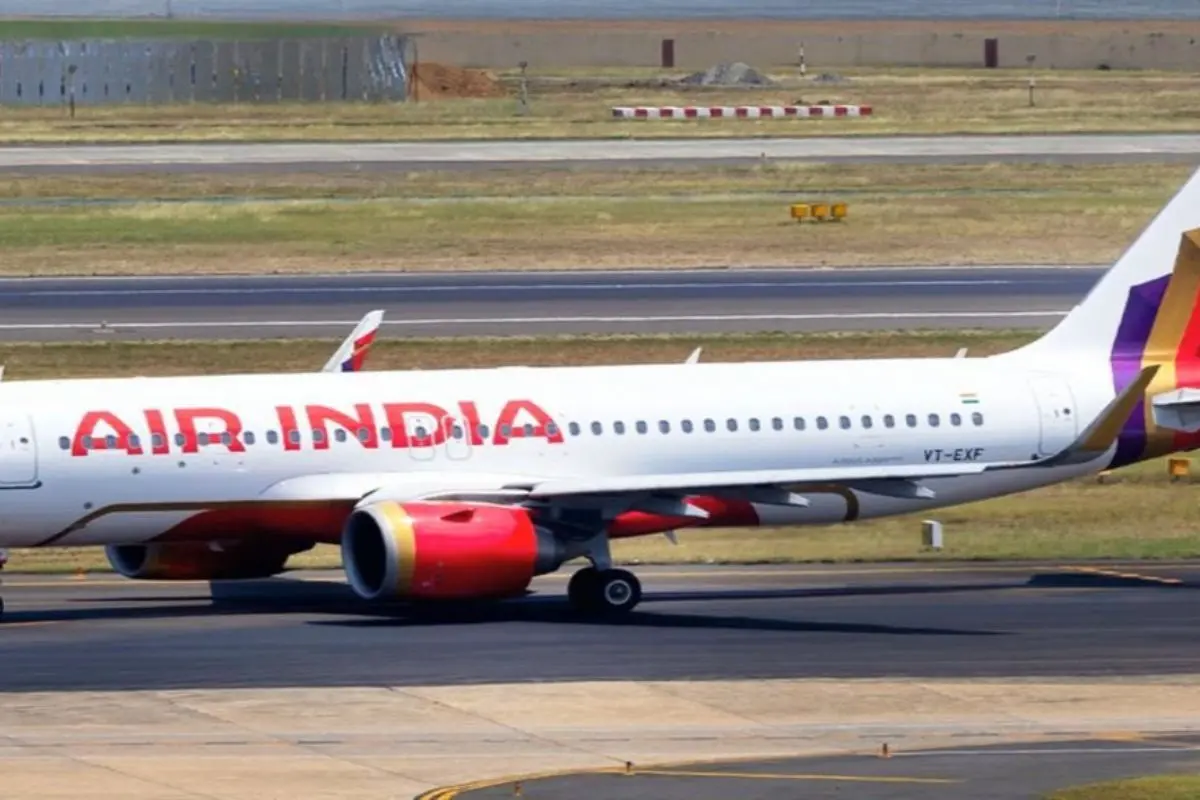
Air India has announced the launch of new nonstop routes connecting Delhi with Hanoi and Mumbai with Tokyo (Haneda), strengthening travel connectivity between India, Vietnam and Japan. The new services, introduced in March 2026, mark an important step in the airline’s broader network expansion strategy across Asia.
The Air India Hanoi Tokyo routes highlight the growing importance of direct air connectivity in supporting tourism, trade and business travel across the region. As Asian economies become increasingly interconnected, airlines are expanding their route networks to facilitate faster and more convenient travel between major commercial hubs.
Air India rebuilds global network under Tata Group
Air India has been undergoing significant transformation since its acquisition by the Tata Group in 2022. The airline has invested heavily in fleet modernisation, service upgrades and international route expansion as part of a long-term strategy to rebuild its global presence.
The airline operates under Air India Limited, a subsidiary of Tata Sons, and forms part of a broader aviation ecosystem that includes Vistara and Air India Express.
India’s aviation sector has experienced rapid growth in recent years as passenger demand increased across both domestic and international travel segments.
Government organisations such as the Ministry of Civil Aviation (Government of India) and the Directorate General of Civil Aviation (DGCA) support aviation expansion through regulatory frameworks and infrastructure development initiatives.
Meanwhile, international travel demand between India and East Asia has increased significantly.
Tourism authorities including the Vietnam National Authority of Tourism and the Japan National Tourism Organization (JNTO) have actively promoted travel partnerships with India to attract more visitors.
Consequently, the launch of the Air India Hanoi Tokyo routes supports both tourism growth and regional economic cooperation.
Expanding India’s air connectivity to East Asia
The new routes connect two major Indian cities with key Asian destinations.
The Delhi–Hanoi route will link India’s capital with Vietnam’s political and cultural centre, providing a direct connection between two rapidly growing tourism markets.
Vietnam has become increasingly popular among Indian travellers due to its affordable tourism infrastructure, visa-friendly policies and growing hospitality sector.
Meanwhile, the Mumbai–Tokyo (Haneda) route strengthens connectivity between India’s financial capital and Japan’s largest metropolitan economy.
Tokyo’s Haneda Airport, operated by the Tokyo International Airport Terminal Corporation, serves as one of Japan’s most important aviation gateways.
The new services offer improved travel convenience for both leisure and business travellers.
Direct flights significantly reduce travel time compared with indirect routes that require stopovers in other Asian hubs.
Furthermore, the routes enable stronger connectivity between India and East Asia’s business communities.
Trade and investment flows between India, Japan and Vietnam have expanded in recent years as companies explore new supply chain partnerships and investment opportunities.
Consequently, improved air connectivity plays an essential role in supporting these economic relationships.
Airlines compete to expand Asia routes
The Asia-Pacific aviation market remains highly competitive as airlines compete to capture growing passenger demand.
International carriers such as Singapore Airlines, Japan Airlines, Vietnam Airlines, and All Nippon Airways (ANA) operate extensive networks connecting Southeast Asia, East Asia and South Asia.
These airlines offer connecting services through major hub airports including Singapore, Bangkok and Hong Kong.
However, nonstop routes remain highly attractive for travellers seeking faster journeys and greater convenience.
Consequently, airlines increasingly prioritise direct long-haul connections between major cities.
India’s aviation market has become particularly important for international airlines due to the country’s rapidly expanding middle class and growing outbound tourism.
Government organisations such as the Airports Authority of India (AAI) continue investing in airport infrastructure to support increasing passenger traffic.
These developments encourage airlines to introduce new international routes connecting India with key global destinations.
Aviation connectivity drives tourism and trade
The launch of the Air India Hanoi Tokyo routes illustrates how aviation connectivity supports economic and cultural exchange across Asia.
Direct airline services often stimulate travel demand by reducing travel time and improving convenience.
Tourism industries in Vietnam and Japan have increasingly targeted Indian travellers as an important growth market.
Indian tourists are among the fastest-growing segments of international travellers across Asia.
Countries across the region have introduced visa facilitation programmes and marketing campaigns designed to attract Indian visitors.
Moreover, improved air connectivity also strengthens business relationships between countries.
Companies engaged in trade, technology partnerships and manufacturing collaborations benefit from easier travel between major cities.
Therefore, airline route expansion often contributes directly to broader economic integration.
Air India continues international network growth
Looking ahead, the Air India Hanoi Tokyo routes may represent only the beginning of the airline’s broader international expansion plans.
Air India has already announced major aircraft orders and fleet upgrades designed to support long-term global network growth.
New-generation aircraft allow airlines to operate longer routes more efficiently while improving passenger comfort.
Furthermore, India’s growing aviation market continues to attract both domestic and international investment.
As tourism demand increases and global business travel recovers, airlines are likely to introduce additional routes connecting India with Asian and international destinations.
Countries such as Thailand, Indonesia and South Korea may also see expanded connectivity with India in the coming years.
Consequently, Air India’s network expansion strategy may play a significant role in strengthening India’s position within the global aviation system.
New routes reinforce India–Asia travel connections
Air India’s decision to launch direct flights from Delhi to Hanoi and from Mumbai to Tokyo highlights the airline’s commitment to expanding connectivity across Asia. These routes will support tourism, business travel and economic cooperation between India and key East Asian markets.
As aviation networks continue evolving across Asia-Pacific, improved connectivity between major cities will remain essential for enabling regional mobility and economic integration.