

As Southeast Asia navigates a complex economic landscape in 2026, the regional real estate market is increasingly defined by a stark polarization. On one end of the spectrum, emerging economies offer high-risk, high-reward opportunities driven by rapid urbanization and shifting foreign investment policies. On the other end stands Singapore—heavily regulated, premium-priced, yet undeniably stable.
For high-net-worth individuals and institutional investors, the question is no longer just where to deploy capital, but how to protect it against the persistent variables of inflation and fluctuating interest rates. In this climate of uncertainty, the flight to quality has never been more pronounced.
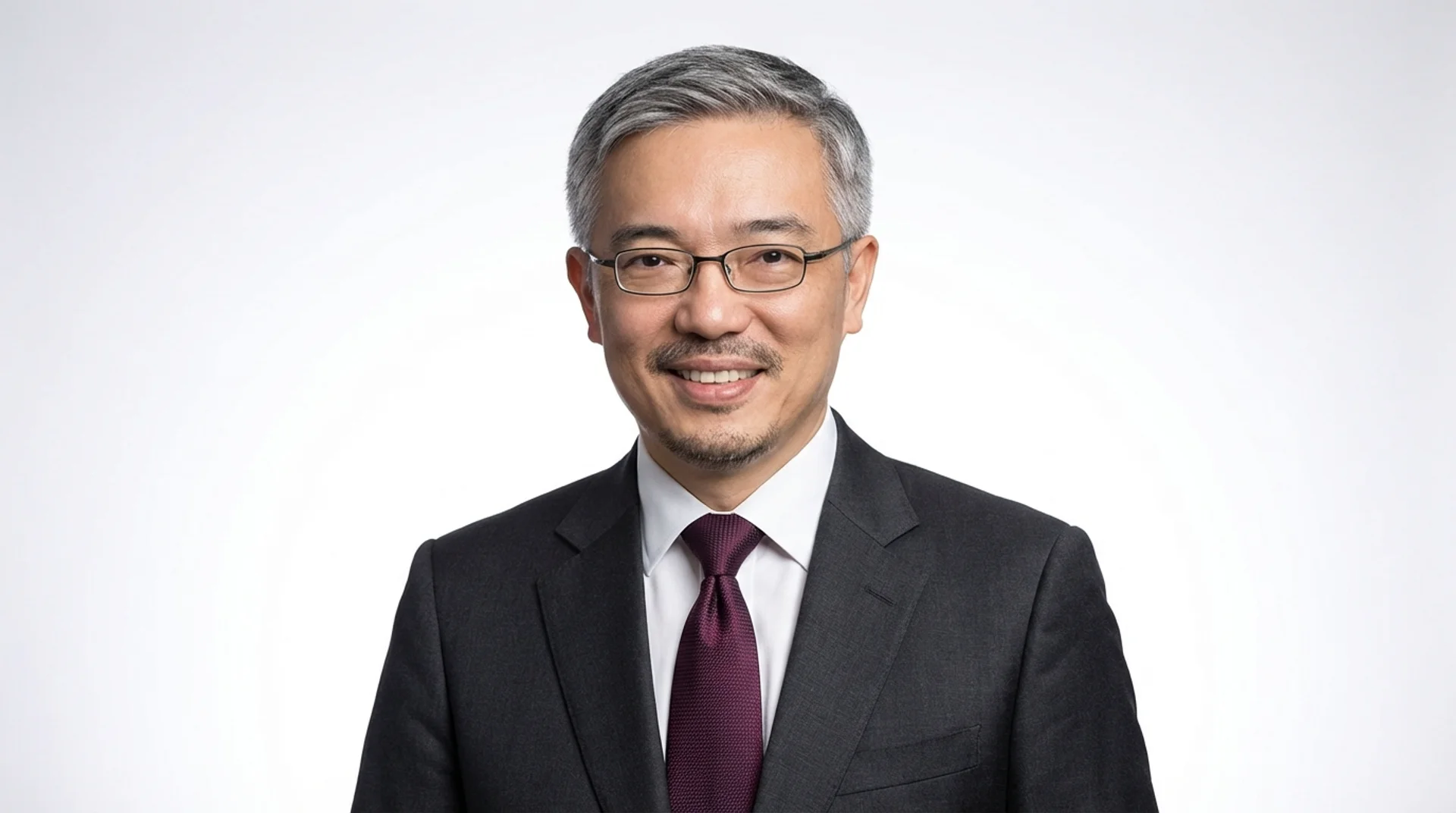
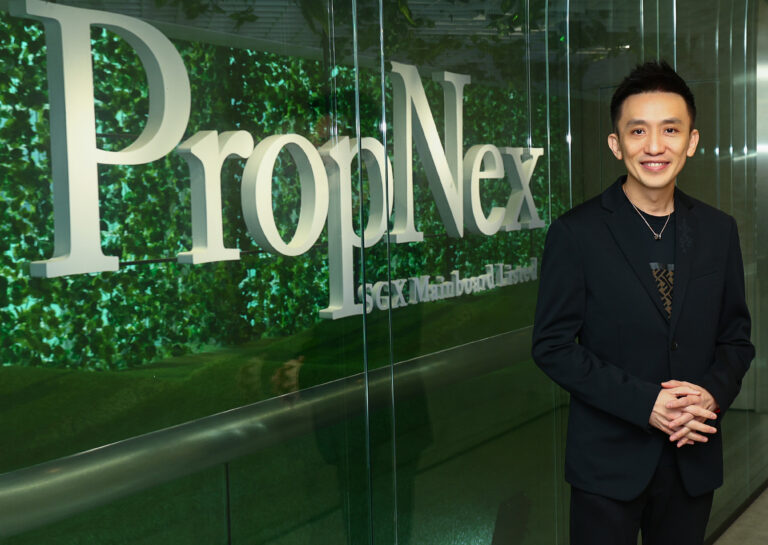
To understand the mechanics of this regional shift, Feature.Asia spoke with Kelvin Fong, Chief Executive Officer of PropNex Realty. Leading Singapore’s largest real estate agency with an expanding footprint across Indonesia, Malaysia, Vietnam, and Cambodia, Fong offers a definitive perspective on why the city-state continues to serve as the institutional anchor for sustainable property wealth.
The Premium of Certainty
The allure of emerging markets in Southeast Asia is undeniable, often promising double-digit yields that mature markets struggle to match. However, as global economic volatility persists, institutional capital is increasingly prioritizing capital preservation over speculative growth.
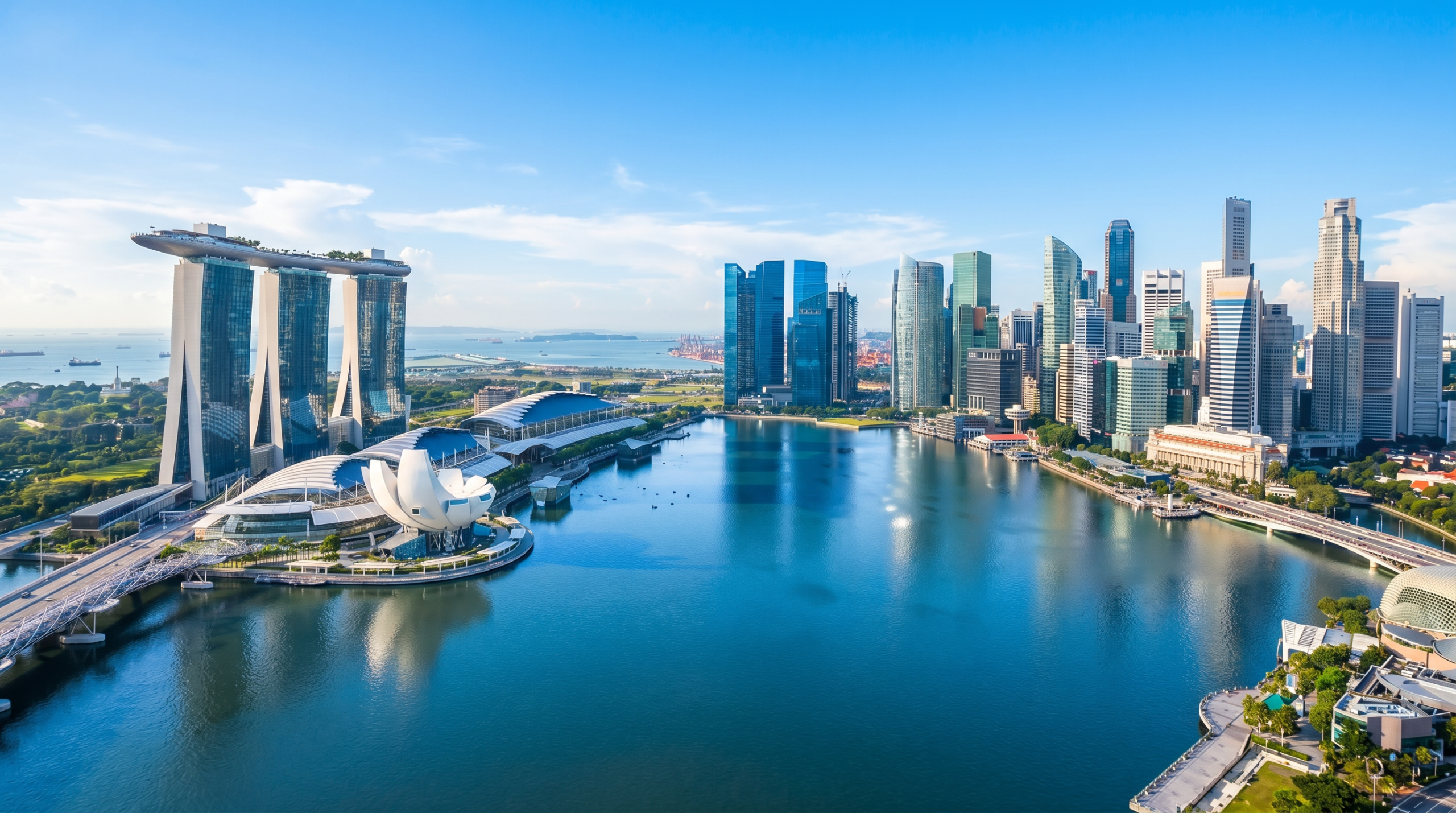
Despite higher entry costs and stringent cooling measures, Singapore’s real estate market continues to attract significant foreign and domestic investment. For Fong, the rationale is straightforward: investors are not merely buying physical assets; they are purchasing systemic reliability.
“Singapore continues to stand out as a safe haven in an increasingly uncertain global environment,” Fong explains. “High-net-worth and institutional investors value the country’s political stability, transparent regulatory framework, and strong rule of law, all of which provide confidence and long-term security for capital.”
This resilience is not accidental. It is the result of prudent government policies designed to prevent market bubbles and ensure sustainable growth. “Beyond that, Singapore offers a highly liquid and resilient property market, underpinned by consistent demand and its position as a global financial hub,” Fong notes. “While entry costs are higher, investors recognize that they are paying for quality, stability, and wealth preservation. Ultimately, it is not just about price, it is about certainty.”
Institutionalizing Wealth Creation
As the macroeconomic environment shifts, so too must the strategies of those navigating it. The days of relying on speculative property flips or passive appreciation are largely over. In 2026, the focus has moved toward structured asset progression and rigorous portfolio management.
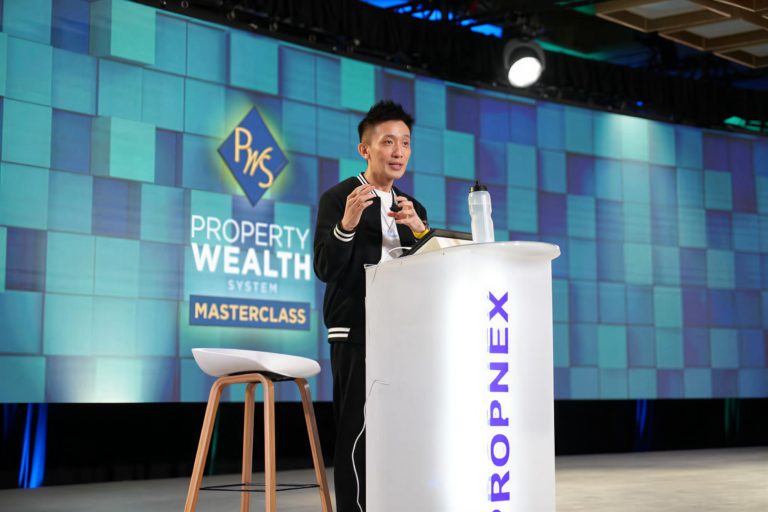
Fong has been a prominent advocate for this shift, championing the Property Wealth System (PWS)—a framework designed to educate and empower investors to make calculated, data-driven decisions.
“From my perspective, the conversation has evolved significantly,” says Fong. “It is no longer about simply acquiring a property, but about building a resilient and structured portfolio that can withstand changing market conditions.”
This structured approach requires a deep understanding of market cycles, cash flow management, and strategic timing. “Through the Property Wealth System, we guide clients to take a long-term, strategic approach, one that is anchored in asset progression, risk management, and timing,” he elaborates. “In today’s environment of fluctuating interest rates and persistent inflation, every property decision must be intentional, with clear entry and exit strategies, cash flow considerations, and the ability to adapt across market cycles.”
For Fong, the ultimate goal is to institutionalize the wealth-building process for the everyday investor. “Building property wealth in 2026 is about discipline and clarity. It is about helping clients move beyond short-term gains to create a sustainable system that grows, protects, and compounds their wealth over time.”
The Evolution of the Real Estate Professional
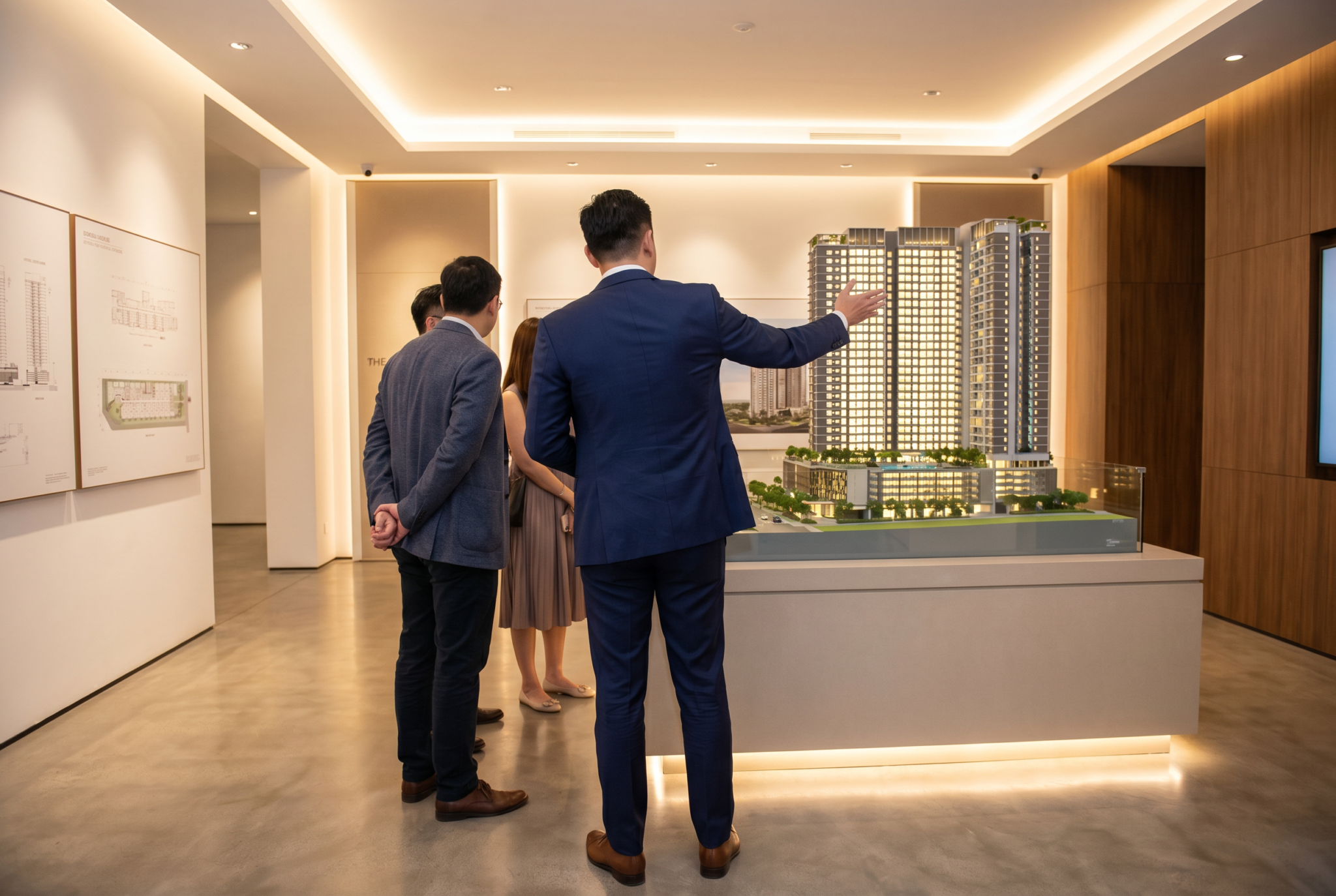
As the demands of the market become more sophisticated, the role of the real estate agent is undergoing a fundamental transformation. The transactional broker of the past is rapidly being replaced by the trusted wealth advisor of the future.
This professionalization of the industry is a core mandate at PropNex, where the focus is on equipping agents with the tools and knowledge necessary to provide holistic, advisory-led services.
“At PropNex, we are intentional about elevating the role of our salespersons from transactional brokers to trusted wealth advisors,” Fong states. “This starts with a strong focus on continuous training, structured upskilling, and equipping our network with advanced proptech tools such as the Business Suite and Investment Suite, enabling them to deliver data-driven, insight-led advice to clients.”
This commitment to professional development extends beyond basic sales training. PropNex has developed a comprehensive roadmap that includes specialized tracks led by active top producers across key segments, from HDB and private resale to commercial real estate and digital marketing.
“Beyond technical knowledge, we place strong emphasis on consultative skills, ensuring our salespersons are able to guide clients holistically through their property journey,” Fong adds. “We also differentiate ourselves through our extensive consumer education initiatives and meaningful community impact, reinforcing trust and positioning our salespersons as credible advisors in an increasingly complex market.”
As Southeast Asia’s real estate landscape continues to mature, the benchmark for success is being redefined. It is a standard that demands more than just market access; it requires strategic foresight and an unwavering commitment to client outcomes.
“In 2026, what sets a top-tier realtor apart is no longer just transactional success,” Fong concludes. “It is the ability to combine deep market expertise, data-driven insights, and a genuine advisory mindset to help clients build long-term wealth with confidence.”