





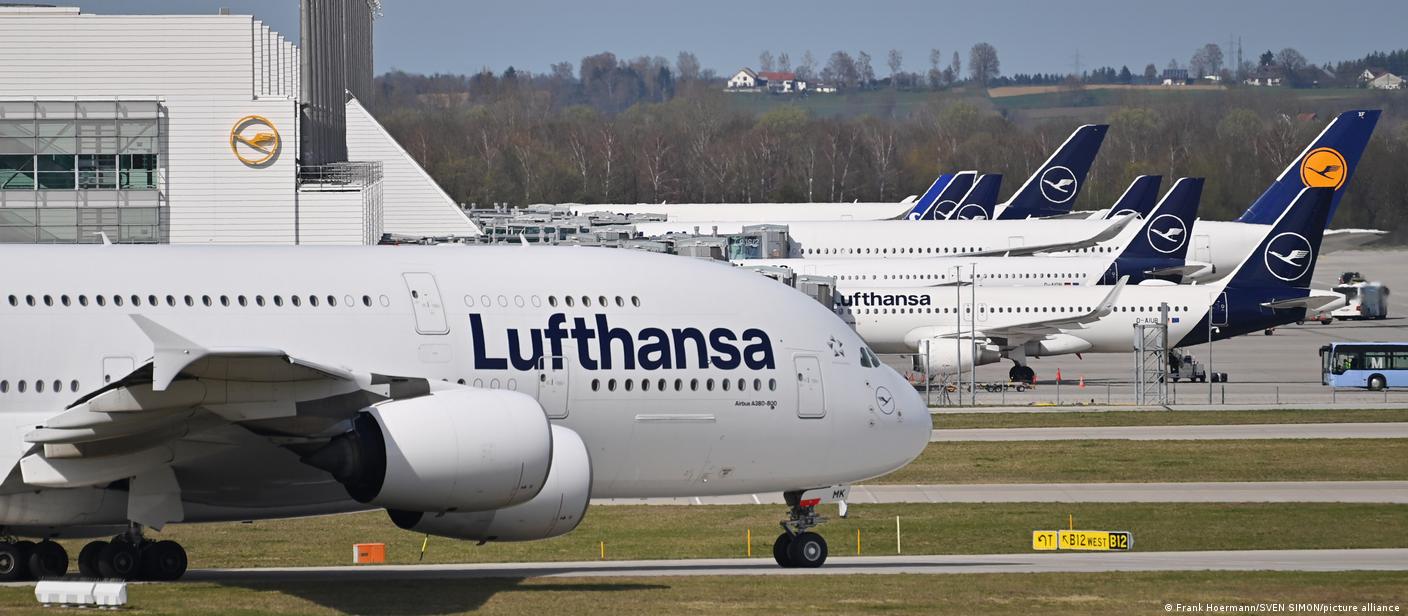
Lufthansa Asia flights expand to meet rising passenger demand
Lufthansa Group has announced additional long-haul flights to major Asian destinations, including Singapore and Bangkok, as passenger demand for travel between Europe and Asia continues to rise. The airline group plans to increase flight frequencies and adjust schedules to capture growing travel demand across both leisure and business segments.
The Lufthansa Asia flights expansion reflects broader recovery and growth in international aviation markets. Airlines worldwide are gradually increasing capacity to Asia as tourism rebounds and corporate travel strengthens after several years of disruption. Consequently, major hubs such as Singapore and Bangkok are again emerging as key gateways for intercontinental travel.
Asia re-emerges as a key aviation growth market
Asia has historically been one of the most important regions for global aviation growth. Before the pandemic, the region accounted for a significant share of international passenger traffic and tourism flows.
Today, international travel demand is recovering rapidly across Asia. Governments across the region have introduced policies to support tourism and strengthen aviation connectivity.
In Singapore, the Civil Aviation Authority of Singapore (CAAS) continues to work closely with airlines and airport operators to maintain the country’s position as a leading global aviation hub.
Meanwhile, Changi Airport Group, which manages Singapore Changi Airport, has expanded airline partnerships and infrastructure to support rising travel demand.
Thailand is also strengthening its aviation and tourism strategy. The Tourism Authority of Thailand (TAT) and the Civil Aviation Authority of Thailand (CAAT) actively promote international travel through airline partnerships and tourism campaigns.
Bangkok’s Suvarnabhumi Airport, one of Southeast Asia’s largest aviation hubs, continues to play a central role in regional connectivity.
Major airline groups have responded by restoring routes and increasing flight capacity across the region. Companies such as Singapore Airlines, Emirates, Qatar Airways, and Air France–KLM are expanding services to Asia to capture growing passenger demand.
Consequently, Lufthansa Group’s decision to add flights reflects a broader industry trend.
Lufthansa increases long-haul capacity to Asia
Lufthansa Group’s network includes multiple airlines such as Lufthansa, Swiss International Air Lines, Austrian Airlines, and Eurowings Discover.
Together, these carriers operate one of the largest global airline networks connecting Europe with Asia, North America, and the Middle East.
To respond to the surge in passenger demand, the group plans to increase flight frequencies to major Asian destinations, including Singapore and Bangkok.
These routes are particularly important for both tourism and corporate travel.
Singapore serves as a major business and financial center, attracting travelers from across Europe.
Bangkok, meanwhile, remains one of Asia’s most popular tourism destinations.
By adding flights to these cities, Lufthansa aims to strengthen its presence in Southeast Asia and improve connectivity between Europe and the region.
Additional flights also allow the airline group to optimize its hub network in Frankfurt, Munich, and Zurich, enabling smoother connections for passengers traveling between Europe and Asia.
Furthermore, increased capacity allows Lufthansa to respond to seasonal demand peaks and major international events that drive passenger traffic.
Airlines compete to capture Asia travel growth
The Lufthansa Asia flights expansion occurs at a time when airlines worldwide are competing aggressively to capture renewed travel demand.
Asia’s aviation market has become one of the most competitive regions globally, with both full-service carriers and low-cost airlines expanding rapidly.
Major airlines such as Singapore Airlines, Cathay Pacific, and Thai Airways are strengthening their networks to attract international passengers.
Middle Eastern carriers including Emirates, Etihad Airways, and Qatar Airways also compete strongly for passengers traveling between Europe and Asia.
These airlines operate extensive hub networks that connect passengers across continents.
Consequently, European airlines must continuously adjust capacity and routes to remain competitive in the long-haul market.
Increased flight frequencies allow airlines to offer greater schedule flexibility and improved connectivity, which are important factors for business travelers.
Furthermore, cargo demand continues to influence route planning.
Asia remains a key hub for global trade, and airlines often combine passenger and cargo services on long-haul flights.
Aviation recovery driven by tourism and business travel
The Lufthansa Asia flights expansion highlights how global aviation is entering a new phase of recovery and growth.
International tourism is rebounding strongly as travelers return to long-distance travel after years of restrictions.
At the same time, corporate travel is gradually recovering as companies resume international meetings, conferences, and business operations.
Destinations such as Singapore and Bangkok benefit from both trends.
Singapore functions as a major business hub and financial center, attracting executives and entrepreneurs from around the world.
Meanwhile, Bangkok continues to attract millions of leisure travelers each year thanks to its cultural attractions, hospitality sector, and regional connectivity.
Airlines must therefore balance both leisure and business demand when designing route strategies.
Increasing flight capacity allows carriers to capture opportunities across both segments.
Strong demand expected for Asia aviation routes
Looking ahead, demand for international travel between Europe and Asia is expected to remain strong.
Several factors support this trend.
First, tourism authorities across Asia are actively promoting international travel through marketing campaigns and simplified visa processes.
Second, rising middle-class populations across Asia continue to drive outbound tourism.
Third, business travel between Asia and Europe remains essential for global trade, investment, and technology partnerships.
Airlines are therefore likely to continue expanding long-haul routes to major Asian cities.
Infrastructure investments also support future growth.
Airports such as Singapore Changi Airport and Bangkok Suvarnabhumi Airport are expanding capacity and improving passenger services to accommodate rising traffic.
Consequently, increased flight frequencies from airlines such as Lufthansa will play an important role in strengthening global connectivity.
Lufthansa expansion reflects Asia aviation recovery
Lufthansa Group’s decision to add additional flights to Singapore and Bangkok demonstrates renewed confidence in Asia’s aviation market. Rising travel demand from both leisure and corporate passengers is encouraging airlines to restore and expand long-haul routes.
As international tourism and business travel continue recovering, Asia will remain a critical growth region for global airlines. The Lufthansa Asia flights expansion therefore signals broader momentum across the aviation industry and highlights the region’s enduring importance in global travel networks.



拷貝.jpg)