


Trip.com airline partnerships drive dynamic travel packaging
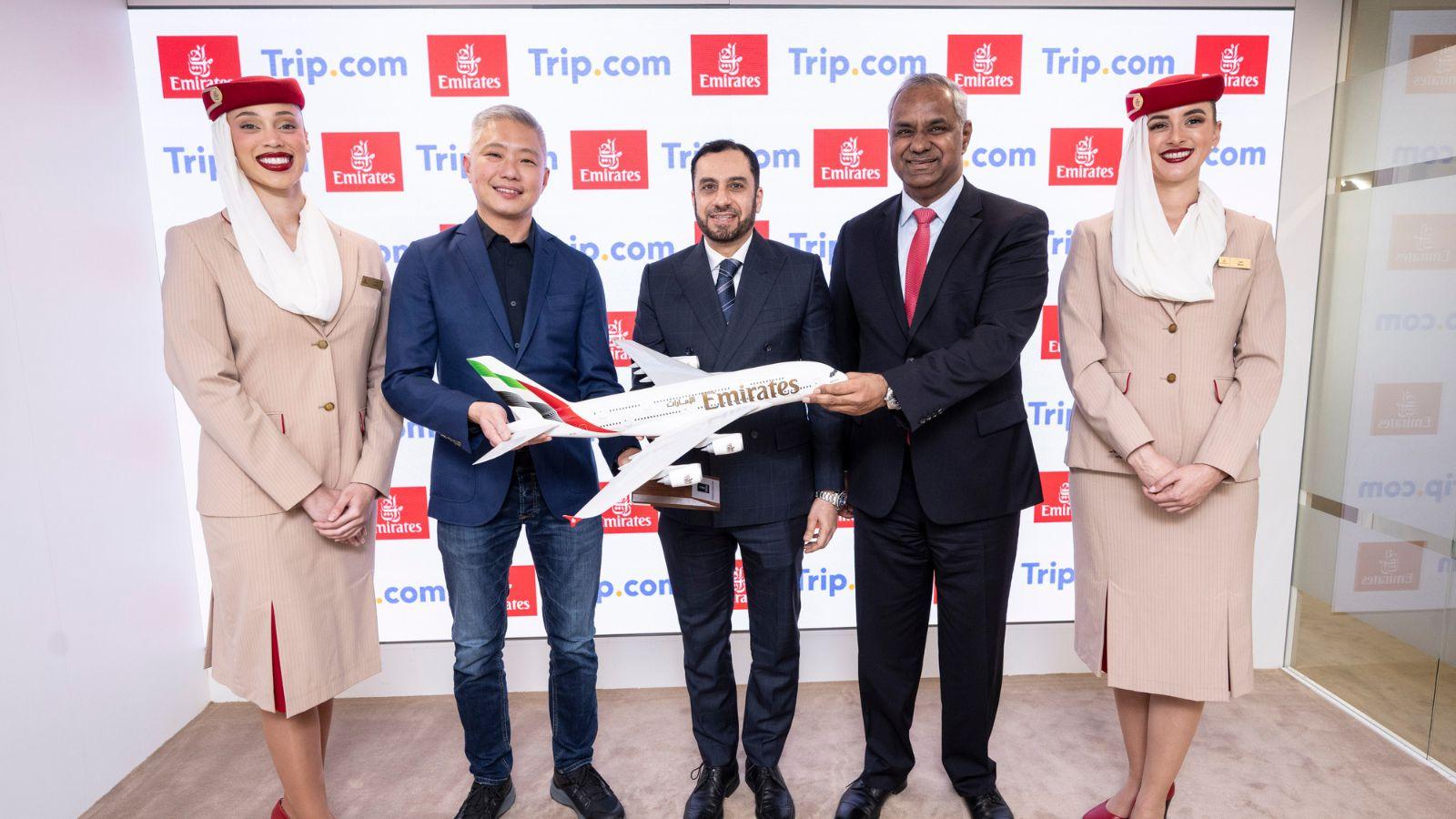
Trip.com Group is expanding its airline partnerships across Asia to enhance bundled travel offerings, combining flights, hotels, and services into integrated packages. The move reflects a strategic push to strengthen monetization and improve customer experience through dynamic travel solutions.
The Trip.com airline partnerships initiative highlights a key shift in the online travel industry. Platforms are increasingly focusing on bundled offerings to boost revenue per user and drive higher engagement.
Consequently, the strategy positions Trip.com to capture greater value across the travel journey while responding to evolving consumer demand for seamless booking experiences.
Travel platforms evolve toward integrated ecosystems
The global travel industry has undergone significant transformation with the rise of digital platforms.
Online travel agencies (OTAs) such as Trip.com, Booking Holdings, and Expedia have expanded beyond basic booking services to offer end-to-end travel solutions.
In China and across Asia, digital adoption has accelerated this shift.
Consumers are increasingly using platforms to plan entire trips, from flights and accommodations to activities and insurance.
Government bodies such as China’s Ministry of Culture and Tourism have also supported the recovery and growth of the travel sector.
At the same time, airlines are seeking new distribution channels to reach customers and optimize revenue.
This alignment of interests has created opportunities for deeper collaboration between airlines and travel platforms.
Bundled offerings enhance monetization and user experience
The Trip.com airline partnerships strategy focuses on creating dynamic travel packages that combine multiple services into a single booking.
These packages may include:
- Flights and hotel stays
- Airport transfers and local transportation
- Travel insurance and add-on services
- Activities and curated experiences
Dynamic packaging allows Trip.com to offer personalized travel solutions based on user preferences and real-time pricing.
This approach benefits both customers and partners.
For customers, bundled offerings provide convenience and potential cost savings.
For airlines and hotels, they increase visibility and occupancy rates.
Trip.com is also leveraging data analytics and AI to optimize pricing and recommendations.
By analyzing user behavior, the platform can tailor packages to maximize conversion rates and customer satisfaction.
OTAs compete through ecosystem expansion
Trip.com’s expansion comes amid intense competition in the global online travel market.
Major players such as Booking Holdings, Expedia Group, and regional platforms are all investing in bundled offerings and integrated services.
Airlines are also strengthening direct booking channels, offering loyalty programs and exclusive deals to retain customers.
This creates a competitive environment where platforms must differentiate through value-added services.
The trend highlights a key shift.
OTAs are evolving into travel ecosystems rather than simple booking platforms.
Companies that can integrate multiple services effectively are better positioned to capture higher margins and customer loyalty.
Bundling becomes core to travel platform economics
The Trip.com airline partnerships strategy reflects a broader transformation in travel platform economics.
Traditional revenue models relied on commissions from individual bookings.
However, bundled offerings enable platforms to increase revenue per transaction.
By combining services, platforms can:
- Capture a larger share of the travel value chain
- Improve customer retention through integrated experiences
- Enhance pricing flexibility and margin optimization
At the same time, bundling requires strong partnerships and operational coordination.
Platforms must ensure seamless integration across airlines, hotels, and service providers.
This complexity makes scale and technology critical success factors.
Dynamic packaging to shape next phase of travel growth
Looking ahead, dynamic travel packaging is expected to become a standard feature across the industry.
As consumer expectations evolve, travelers will increasingly seek personalized and convenient booking experiences.
In Asia, rising outbound travel demand and digital adoption will support this trend.
Platforms like Trip.com are well positioned to lead due to their strong regional presence and technological capabilities.
Future developments may include:
- Greater use of AI for real-time personalization
- Integration of loyalty programs across services
- Expansion into new travel categories such as experiences and events
For Trip.com, continued investment in partnerships and technology will be essential to maintaining competitive advantage.
Trip.com strengthens position through airline collaboration
Trip.com Group’s expansion of airline partnerships marks a strategic step in enhancing bundled travel offerings and strengthening its monetization model. By integrating flights, hotels, and services, the company is building a more comprehensive travel ecosystem.
As the travel industry continues to evolve, platforms that can deliver seamless and personalized experiences will lead the next phase of growth. The Trip.com airline partnerships initiative highlights how collaboration and innovation are shaping the future of digital travel.