


Tesla AI voice assistant China strategy signals deeper localization
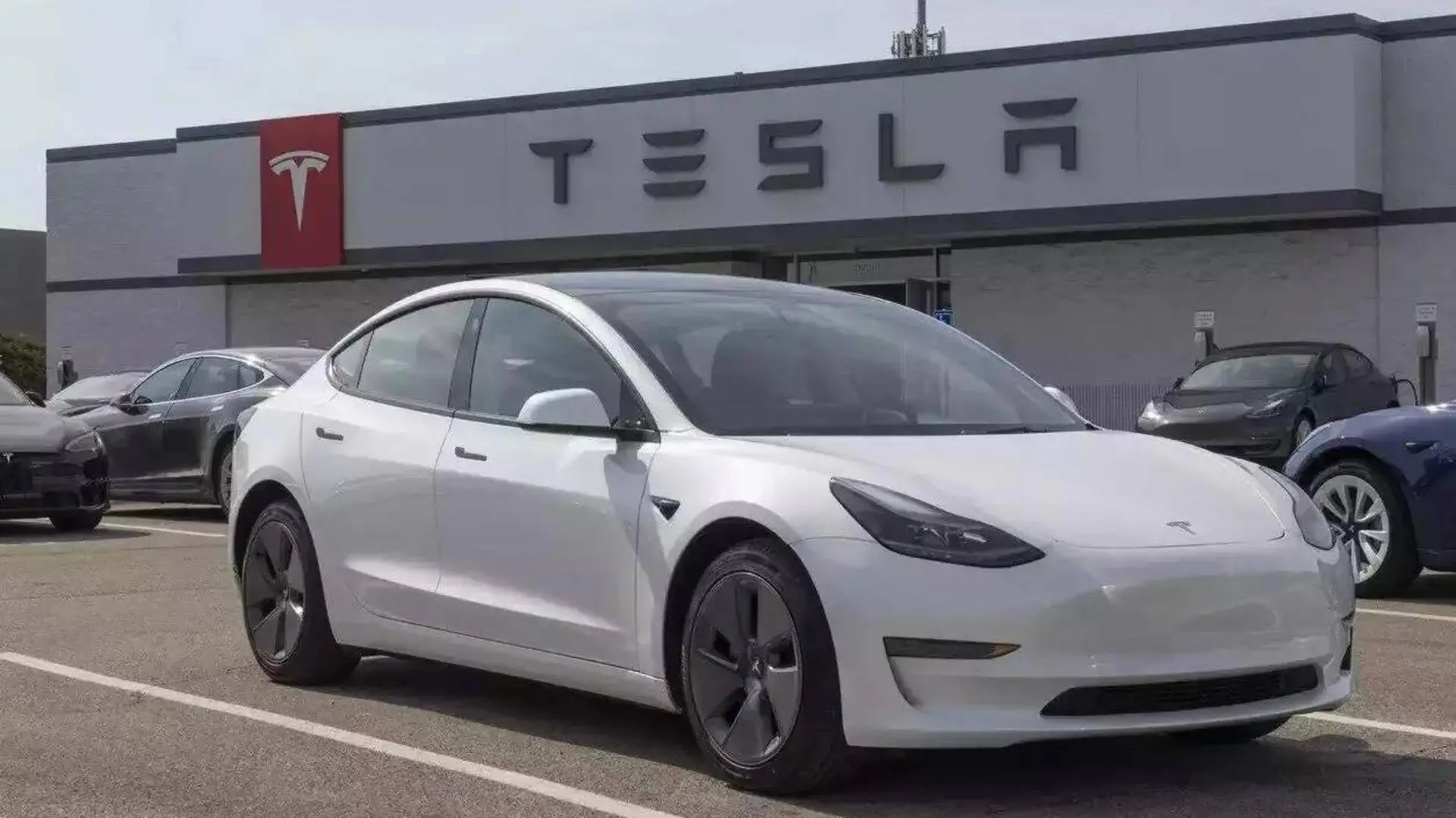
Tesla has officially registered its AI voice assistant in Shanghai under China’s regulatory framework, marking a key step in localizing its in-car technology for the Chinese market. The move reflects Tesla’s effort to align with local compliance requirements while enhancing its AI capabilities.
The Tesla AI voice assistant China strategy highlights how global tech companies are adapting products for regional markets. As regulations tighten, localization is becoming essential for product deployment and growth.
Consequently, Tesla’s move signals a deeper commitment to China as a critical market for its AI and automotive ecosystem.
China’s regulatory environment shapes AI deployment
China has established strict regulatory systems for AI and digital services. Companies must register algorithms and AI features before launching them commercially.
This framework aims to ensure data security, transparency, and compliance with national standards. As a result, global companies must adapt their products to meet these requirements.
Tesla has already built a strong presence in China through its manufacturing operations in Shanghai. The market remains one of its largest globally.
At the same time, Chinese consumers are increasingly adopting smart vehicle features. AI-powered assistants, navigation systems, and in-car services are becoming standard expectations.
Therefore, compliance and localization are critical for continued growth.
Aligning AI features with local market needs
The Tesla AI voice assistant China strategy focuses on integrating technology with regulatory compliance.
By registering its AI assistant, Tesla can legally deploy advanced in-car features in China. This includes voice commands for navigation, entertainment, and vehicle control.
In addition, localization improves user experience. Adapting language, behavior, and functionality to local preferences enhances adoption.
Meanwhile, the move strengthens Tesla’s competitive position. Domestic automakers are rapidly advancing their own AI-powered systems.
Tesla is also aligning with broader digital ecosystems. Integration with local services and platforms can further enhance functionality.
As a result, the company is building a more region-specific technology stack.
Localization becomes key to global tech strategy
The Tesla AI voice assistant China strategy reflects a broader shift in global technology deployment.
Companies can no longer rely on uniform global products. Instead, they must tailor solutions to meet regional regulations and user expectations.
In China, this requirement is particularly strong. Regulatory compliance directly affects market access.
At the same time, localization creates opportunities. Companies that adapt effectively can deliver better user experiences and gain market share.
However, balancing global consistency with local adaptation remains challenging.
Therefore, successful strategies require both technological flexibility and regulatory awareness.
AI features to drive next phase of automotive competition
Looking ahead, AI-powered features are expected to play a central role in the automotive industry.
Several factors support this trend:
- Growing demand for smart vehicle experiences
- Expansion of AI capabilities in mobility
- Increasing competition from local and global automakers
- Strong regulatory influence on product development
Tesla is likely to continue expanding its localized features in China. Additional AI services and integrations may follow.
Meanwhile, domestic competitors will accelerate innovation to compete in the same space.
Therefore, AI and localization will become key differentiators in the market.
Tesla strengthens China strategy through AI localization
Tesla’s registration of its AI voice assistant in China marks an important step in aligning its technology with local regulations. By focusing on compliance and user experience, the company is reinforcing its position in a highly competitive market.
As the automotive industry evolves, localization will play a critical role in global expansion. The Tesla AI voice assistant China strategy demonstrates how companies are adapting to regional dynamics to drive growth.