



Singapore Open sports tourism momentum boosts regional economy
The 2026 Singapore Open, scheduled for 7–12 May 2026, is emerging as a major driver of sports tourism, hospitality activity, and sponsorship engagement across Southeast Asia. Backed by major partners including HSBC and Yonex, the tournament is expected to attract international badminton fans, athletes, corporate sponsors, and travel operators to Singapore ahead of tournament week.
The event is also supported by organizations such as the Singapore Badminton Association (SBA) and the Singapore Tourism Board (STB), reinforcing Singapore’s broader strategy to position itself as a leading global destination for sports, entertainment, and business events.
The Singapore Open sports tourism narrative highlights how major sporting events are increasingly becoming economic and branding platforms beyond competition itself.
Consequently, the tournament is strengthening Singapore’s role within Asia’s expanding sports business and tourism ecosystem.
Sports events become economic growth platforms
Major sporting tournaments are no longer viewed solely as athletic competitions. Across Asia, governments and private-sector organizations increasingly treat sports events as economic drivers capable of boosting tourism, hospitality, retail, and international visibility.
Singapore has consistently invested in high-profile international events as part of its tourism and economic strategy. Formula One, international concerts, esports competitions, and badminton tournaments have all contributed to the city-state’s global positioning.
At the same time, badminton remains one of Asia’s most commercially valuable sports. Countries across Southeast Asia, China, India, South Korea, and Japan maintain large fan bases and strong regional followings.
Meanwhile, sports tourism is becoming a major industry segment globally. Fans are increasingly willing to travel internationally for live sporting experiences, creating significant spillover benefits for hotels, airlines, restaurants, and local businesses.
Corporate sponsorship activity is also evolving. Brands increasingly seek sports partnerships that combine live engagement, digital visibility, and regional market access.
Therefore, the 2026 Singapore Open arrives at a strategically important moment for Southeast Asia’s sports economy.
Sponsorships and tourism activity intensify
The Singapore Open sports tourism strategy extends well beyond the badminton court itself.
First, hospitality activity is expected to increase significantly ahead of tournament week. International visitors traveling to Singapore for the event are likely to drive demand across hotels, restaurants, transportation, and retail sectors.
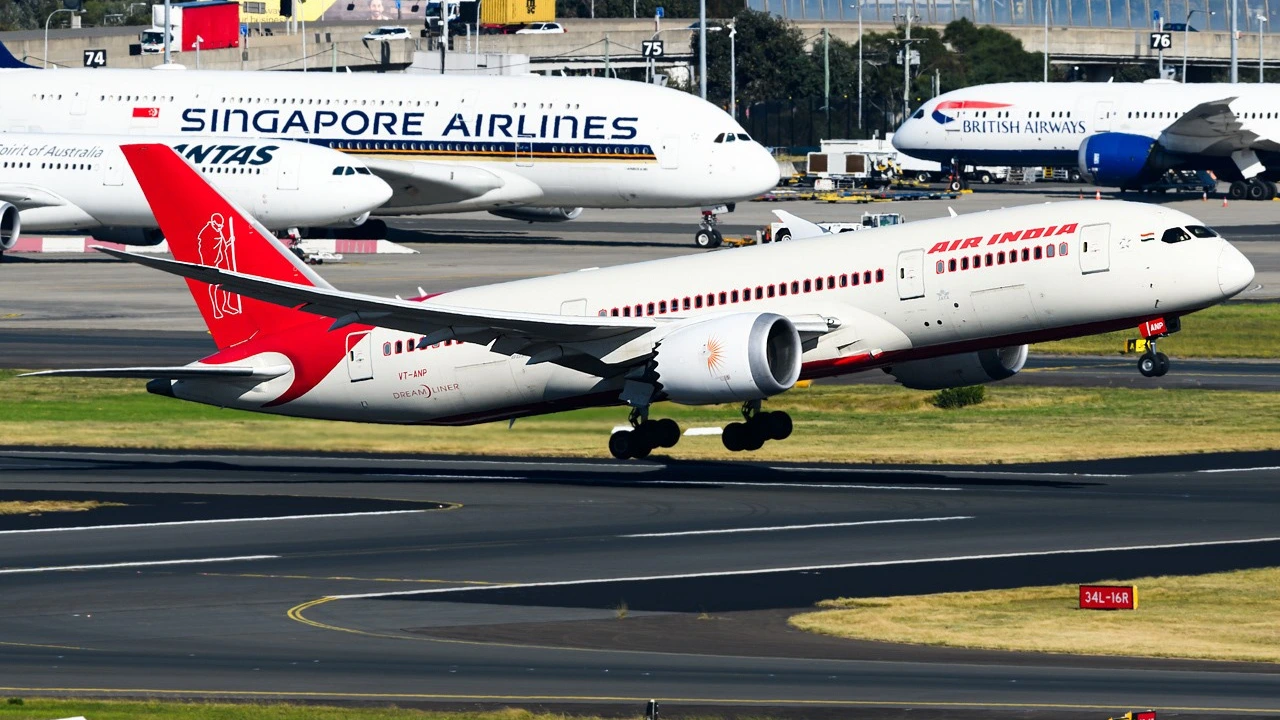
In addition, airlines and travel operators are benefiting from increased regional movement tied to the event. Sports-focused travel packages and premium hospitality experiences are becoming increasingly common.
Meanwhile, sponsorship activity is intensifying. Global and regional brands view tournaments like the Singapore Open as valuable platforms for consumer engagement across Asia.
HSBC and Yonex remain among the event’s most visible commercial partners. Their involvement reflects the growing importance of sports sponsorship within financial services and sporting goods industries.
The tournament also strengthens Singapore’s positioning as a premium destination for international sports events. Consistent hosting capability enhances long-term tourism and branding value.
At the same time, digital engagement is becoming central to sports marketing. Sponsors increasingly focus on social media visibility, streaming audiences, and interactive fan experiences alongside physical attendance.
As a result, the Singapore Open is evolving into a multi-layered economic and commercial platform rather than simply a badminton tournament.
Southeast Asia’s sports economy enters new growth phase
The Singapore Open sports tourism story reflects a broader transformation across Asia’s sports industry.
Sports events are increasingly integrated into national economic strategies. Governments recognize that major tournaments can attract international spending, strengthen branding, and drive long-term tourism growth.
At the same time, Southeast Asia is becoming a more attractive sports business market. Rising middle-class income, growing digital audiences, and stronger regional connectivity are expanding commercial opportunities.
Badminton itself is also becoming more commercially sophisticated. Sponsorship activation, premium hospitality, and digital broadcasting are driving new revenue streams.
However, competition among destinations is intensifying. Cities across Asia are competing aggressively to host international sporting events and secure long-term tourism benefits.
Meanwhile, fans increasingly expect immersive experiences beyond live matches. Entertainment, hospitality, and digital engagement now shape event value as much as athletic performance.
Therefore, sports events must evolve into broader ecosystem experiences to remain commercially competitive.
Tourism, branding, and sponsorship ecosystems converge
The 2026 Singapore Open demonstrates how sports tourism, sponsorship, and urban branding are increasingly interconnected.
First, international sporting events create immediate tourism benefits. Hotels, restaurants, airlines, and local businesses often experience increased activity during tournament periods.
Second, sponsorship ecosystems are becoming more integrated. Brands seek long-term audience engagement through live events, digital campaigns, athlete partnerships, and experiential marketing.
In addition, sports events strengthen destination branding. Hosting globally recognized tournaments reinforces Singapore’s image as an international business and lifestyle hub.
Meanwhile, regional sports economies are becoming increasingly valuable. Southeast Asia’s large fan base and digital consumption patterns are attracting more international investment.
The event also supports Singapore’s broader entertainment economy strategy. Sports, tourism, technology, and hospitality are becoming increasingly interconnected industries.
As a result, tournaments like the Singapore Open are evolving into strategic economic assets rather than standalone sporting events.
Sports tourism economy expected to expand further
Looking ahead, Southeast Asia’s sports tourism and sponsorship ecosystem is expected to continue growing rapidly.
Several factors support this trend:
- Rising regional demand for live sports experiences
- Growth of sports streaming and digital fan engagement
- Increasing corporate investment in sports sponsorships
- Expansion of premium travel and hospitality experiences
- Strong government support for event-driven tourism
Singapore is likely to continue strengthening its position as a regional sports and events hub.
Meanwhile, badminton’s commercial profile may continue rising as global broadcasting and sponsorship opportunities expand.
At the same time, technology will increasingly shape fan experiences. AI-driven engagement, personalized content, and hybrid event models are expected to grow.
Cross-border sports tourism may also become more important. Improved regional connectivity is making short-haul sports travel increasingly accessible.
Therefore, events like the Singapore Open are likely to play a larger role in Southeast Asia’s tourism and commercial economy over the coming years.
Singapore Open strengthens regional sports economy ambitions
The 2026 Singapore Open highlights how major sporting events are becoming powerful economic and branding platforms across Asia. By driving tourism activity, sponsorship engagement, and international visibility, the tournament reinforces Singapore’s growing role within the global sports business ecosystem.
As sports tourism and commercial partnerships continue expanding, events capable of combining entertainment, travel, and corporate engagement will become increasingly valuable. The Singapore Open sports tourism story demonstrates how Southeast Asia’s sports economy is evolving into a significant regional growth driver.