



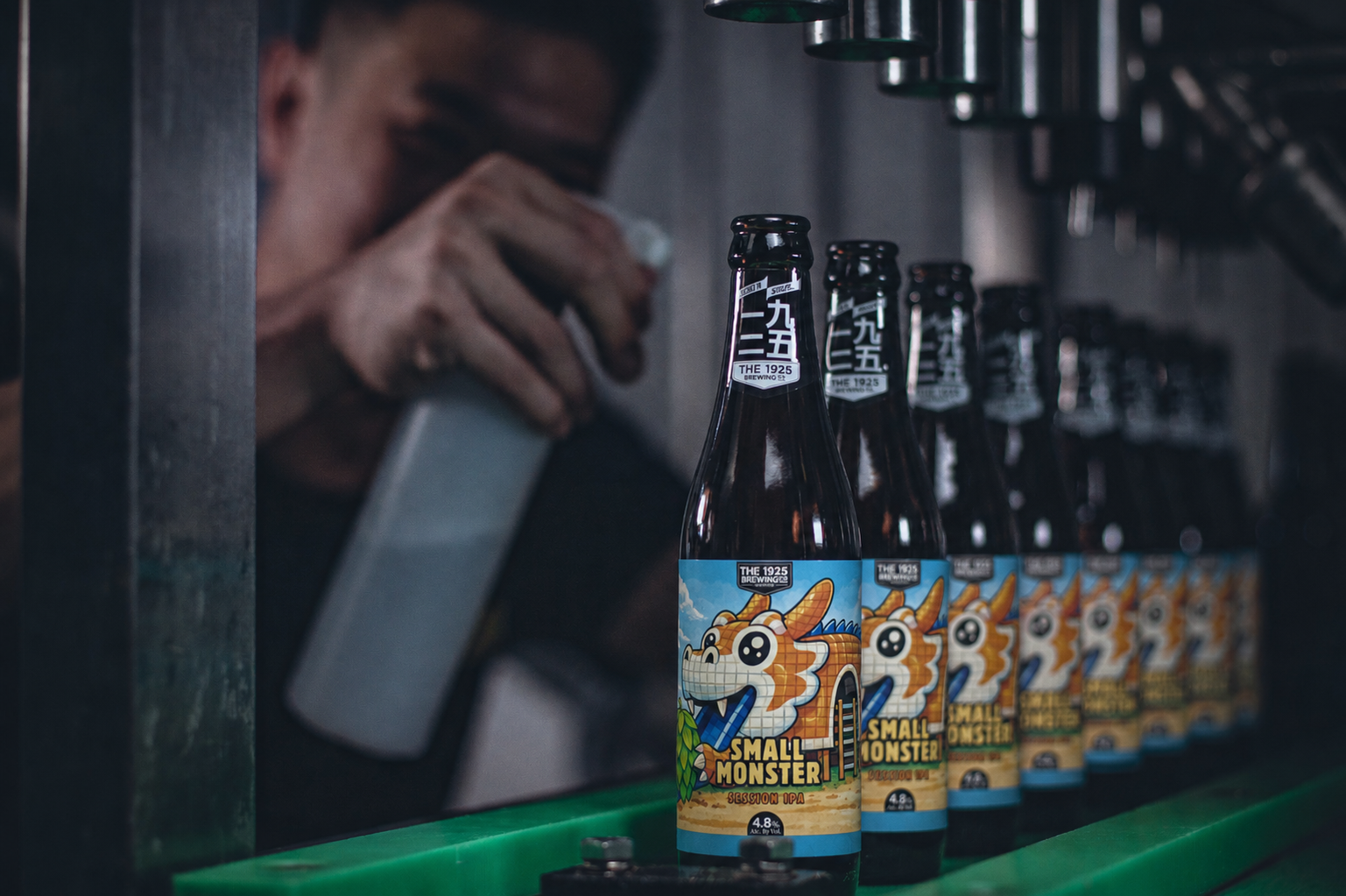

The global craft beer movement has long been defined by a relentless pursuit of the novel. From the aggressive hop profiles of West Coast IPAs to the experimental use of adjuncts in pastry stouts, the industry often prioritises technical boundary-pushing and trend-chasing. However, as the market matures, a new tension has emerged between the fleeting appeal of the “new” and the enduring resonance of the “authentic.” In an era where consumers are increasingly wary of manufactured brand narratives, the most successful craft entities are those that anchor their innovation in something deeper than market data: cultural memory.
In Singapore, this intersection of heritage and modern industry is perhaps best exemplified by The 1925 Brewing Co. Founded in 2013 by brothers Ivan and Yeo Eng Kuang (EK), alongside their uncle Yeo King Joey, the brewery has carved out a distinct position in the regional landscape. While many of its contemporaries look toward Western brewing traditions for inspiration, The 1925 Brewing Co. looks inward, specifically toward the family’s Teochew roots. Under the guidance of EK, who serves as Co-Founder and Brewmaster, the brewery has transitioned from a microbrewery and restaurant into a regional player that uses its legacy not as a marketing veneer, but as a rigorous framework for product development.
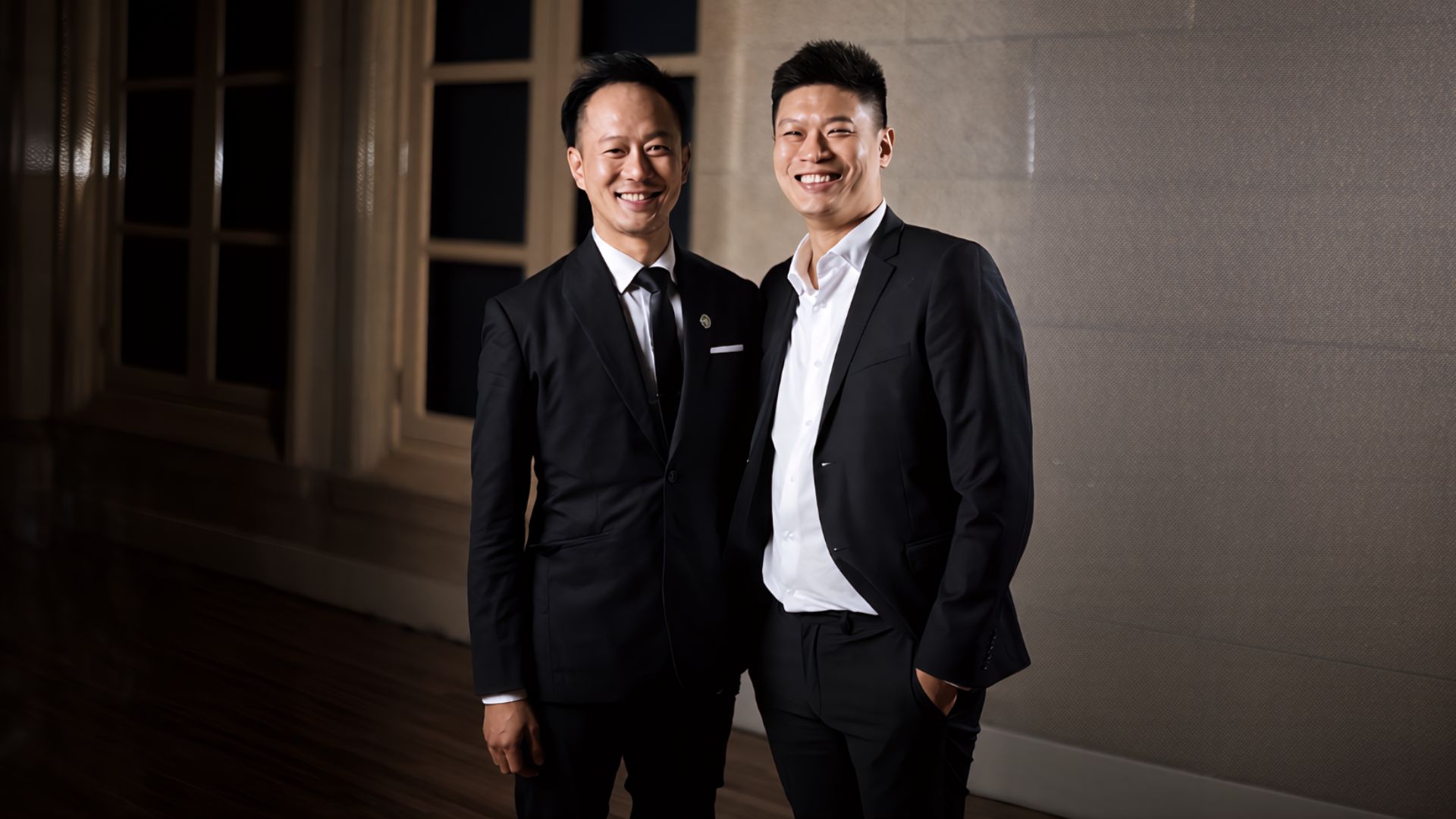
The Intersection of Heritage and Innovation
For EK, the preservation of Teochew heritage is a strategic starting point rather than a secondary consideration. In a sector where innovation is often synonymous with following the latest global brewing trends, The 1925 Brewing Co. adopts a methodology that mirrors the discipline of traditional Teochew cooking. This approach prioritises balance, restraint, and a deep understanding of ingredients. Innovation here begins with memory, culture, and flavour familiarity. By grounding their process in the cultural palate of Asian households, utilising notes of tea, florals, and fruits, the brewery creates a product that feels both technically modern and emotionally familiar.
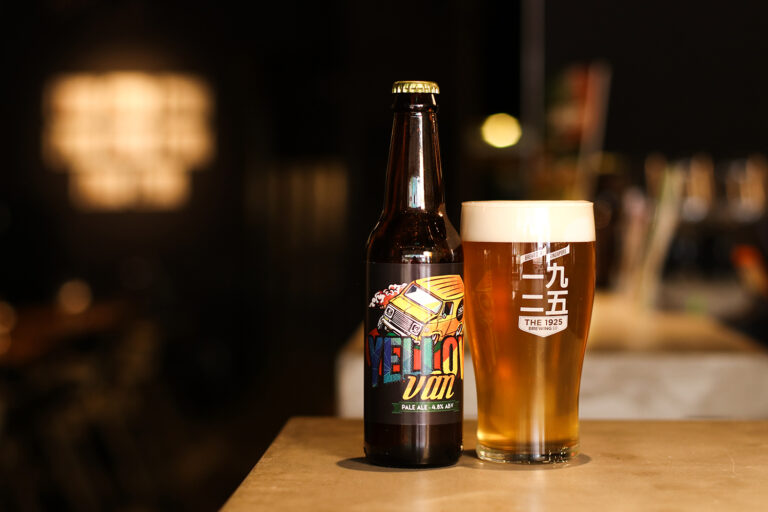
Exporting Local Legacy to a Global Market
As The 1925 Brewing Co. expands its footprint into international markets, including Thailand, it faces the challenge of “exporting” a brand that is so specifically tied to a local Singaporean family history. The solution, according to EK, lies in the universality of the underlying themes. While the specific details of a Teochew grocer in early Singapore may be unfamiliar to a consumer in Bangkok or London, the broader concepts of family, heritage, and culture are global. The brewery’s strategy is to ensure that the flavour is immediately clear and appealing, allowing the story to act as a sneak peek into a shared human experience rather than a barrier to entry.
This model of “Legacy Innovation” offers a compelling blueprint for other homegrown Asian brands. It suggests that the path to global relevance does not require the dilution of local identity. Instead, a deeply specific cultural heritage can serve as a powerful differentiator in a crowded global market, provided it is backed by professional rigour and a commitment to quality. The 1925 Brewing Co. demonstrates that when heritage is treated as a living, breathing component of the innovation process, it can transcend its local origins to resonate with a global audience.
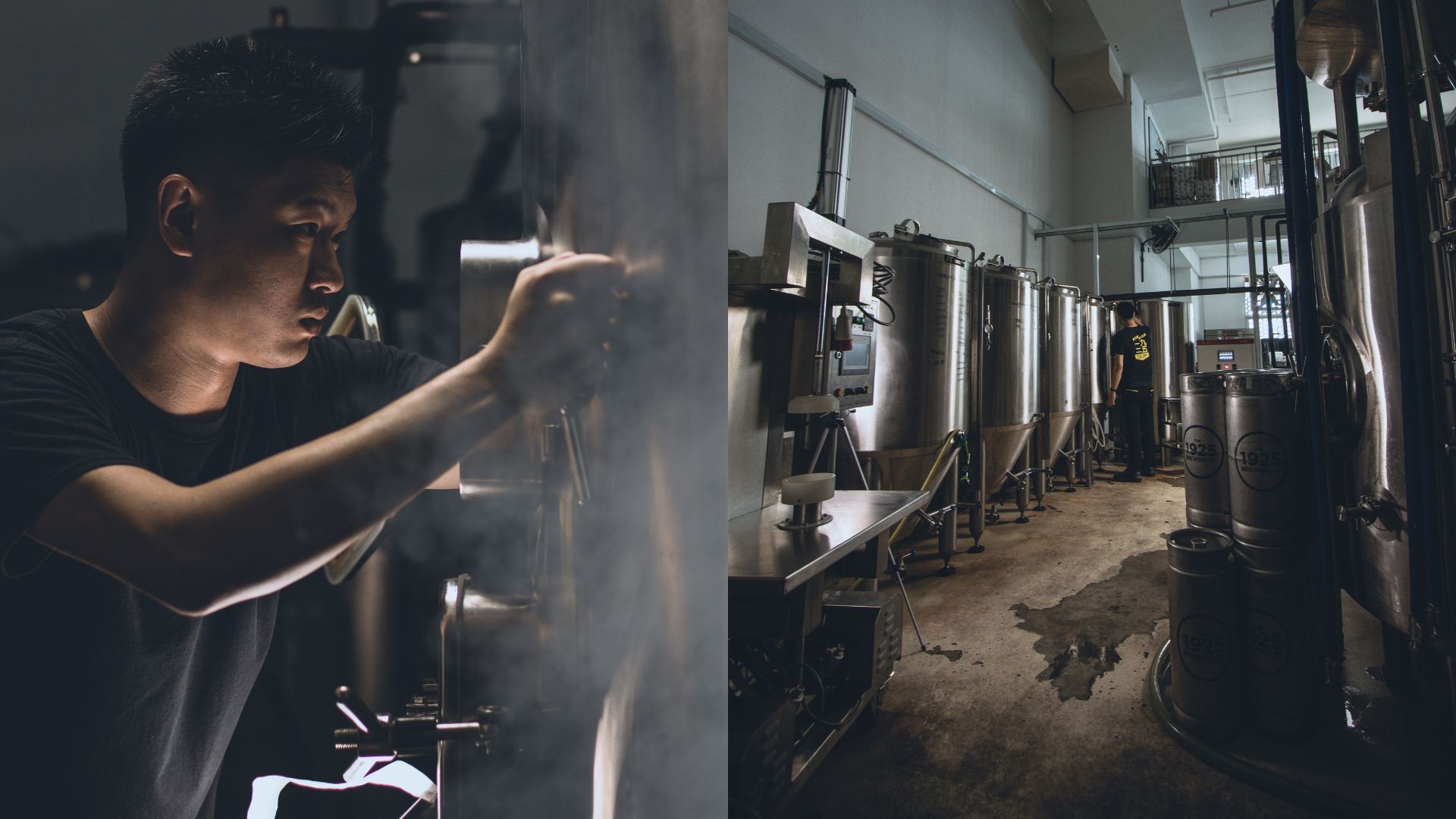
The Future of Legacy Innovation in Asia
Ultimately, the success of The 1925 Brewing Co. reinforces a broader truth about the modern craft economy. In a world of infinite choice, consumers are not just looking for a product; they are looking for a connection to something enduring. By anchoring their brewery in the birth year and values of their patriarch, Yeo Kim Ho, the founders have built a business that aims to transcend generations.
It is a reminder that the most sophisticated innovations are often those that find a way to honour the past while firmly embracing the future. As the craft culture continues to evolve across Asia, the ability to blend cultural memory with technical excellence will likely remain the hallmark of the region’s most influential brands.
The Strategic Value of Authenticity
The case of The 1925 Brewing Co. highlights a critical shift in the regional F&B landscape. As global competition intensifies, the ability to leverage “cultural capital” becomes a significant competitive advantage. For founders, the lesson is clear: authenticity cannot be manufactured, but it can be engineered into the very fabric of a product.
By treating heritage as a technical constraint rather than just a marketing story, brands can achieve a level of depth that is difficult for larger, more generic competitors to replicate. This move from “branded content” to “lived narrative” is what will define the next generation of Asian innovators.