


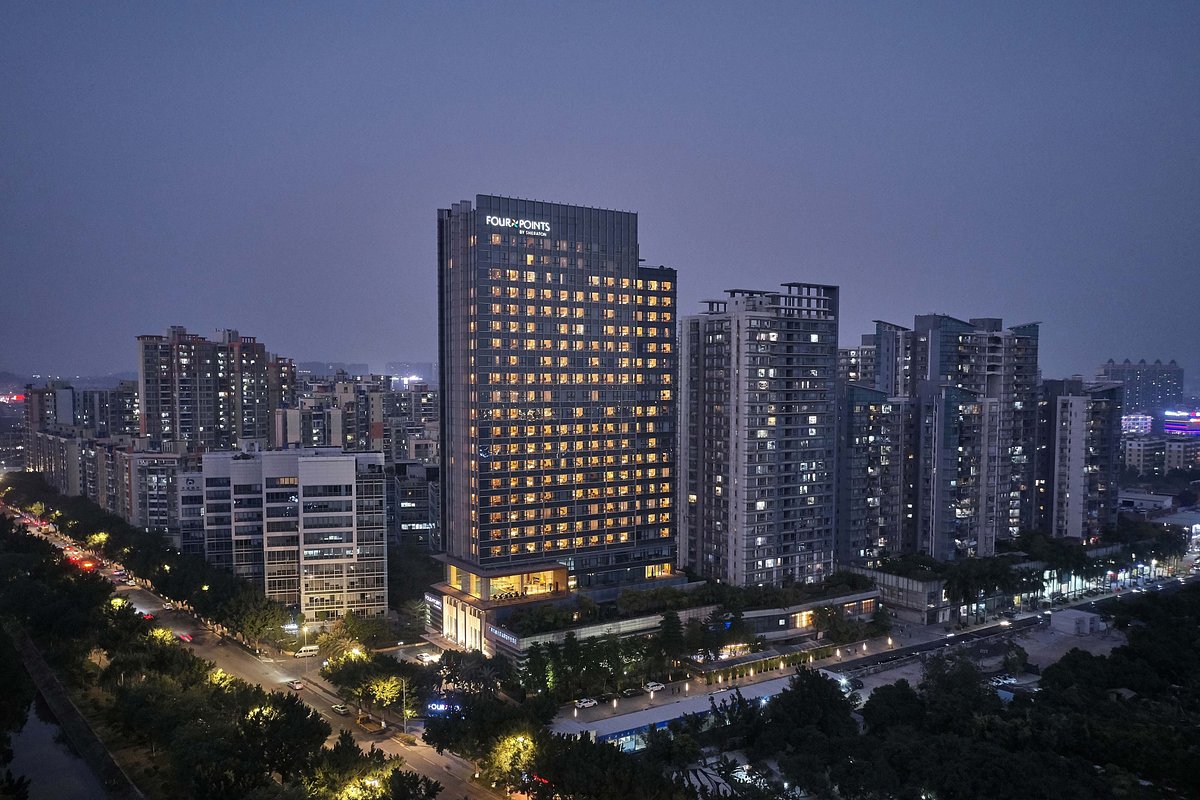


Asia luxury hotel expansion accelerates premium tourism growth
Asia-Pacific’s hospitality industry is entering a major new expansion phase as luxury hotel brands announce significant 2026 openings across Singapore, Bangkok, Tokyo, and Kuala Lumpur. International hospitality groups are increasing investments in premium accommodations to capture rising demand from affluent travelers, business tourism, and high-end experiential travel markets.
The Asia luxury hotel expansion story highlights how premium tourism and lifestyle-driven travel are becoming increasingly important growth engines across the region’s economy.
Consequently, major hotel operators are racing to strengthen their presence in Asia’s most competitive urban and tourism destinations.
Asia becomes global premium tourism growth engine
Asia-Pacific has emerged as one of the world’s fastest-growing tourism and hospitality regions. Rising wealth, improved air connectivity, and growing middle-class travel demand have transformed regional tourism dynamics.
At the same time, luxury travel has expanded rapidly. Affluent travelers increasingly seek premium experiences that combine hospitality, wellness, entertainment, culture, and personalized services.
Singapore, Bangkok, Tokyo, and Kuala Lumpur remain among Asia’s most strategically important tourism and business hubs. These cities attract international visitors through finance, shopping, entertainment, gastronomy, and large-scale global events.
Meanwhile, post-pandemic tourism recovery has accelerated investment confidence across hospitality markets. International travel flows into Asia continue rebounding strongly.
Global hotel groups are therefore increasing investments in flagship properties, branded residences, luxury wellness resorts, and lifestyle-focused hospitality concepts.
As a result, the region’s luxury hotel pipeline is expanding aggressively ahead of anticipated long-term tourism growth.
Premium brands target high-growth Asian cities
The Asia luxury hotel expansion strategy focuses heavily on high-value urban and tourism destinations.
First, Singapore continues attracting premium hospitality investment due to its position as a financial, entertainment, and business hub. Luxury hotels benefit from strong corporate travel and international event activity.
In addition, Bangkok remains one of Southeast Asia’s strongest leisure and lifestyle tourism markets. Luxury brands are targeting both international visitors and affluent regional travelers.
Meanwhile, Tokyo’s hospitality sector is benefiting from rising inbound tourism and renewed global attention surrounding Japan’s tourism revival.
Kuala Lumpur is also becoming increasingly attractive for luxury hospitality investment due to improving tourism infrastructure and growing regional connectivity.
Hotel operators are expanding beyond traditional accommodations as well. Modern luxury properties increasingly integrate wellness, fine dining, retail, entertainment, and branded lifestyle experiences.
At the same time, sustainability and technology are becoming more important competitive differentiators. Smart-room systems, AI-driven guest services, and eco-conscious design are increasingly central to premium hospitality strategies.
As a result, luxury hotels are evolving into broader experiential ecosystems rather than standalone accommodation businesses.
Luxury hospitality becomes strategic economic asset
The Asia luxury hotel expansion trend reflects broader structural changes in global tourism and urban development.
Luxury hospitality is no longer viewed solely as a tourism segment. Governments increasingly recognize premium hotels as strategic infrastructure supporting international business, events, and investment ecosystems.
At the same time, affluent travel demand is shifting toward experience-driven consumption. Travelers increasingly prioritize exclusivity, personalization, and destination immersion over traditional tourism models.
Asia’s growing affluent population is also changing regional travel patterns. High-net-worth travelers from China, India, Southeast Asia, Japan, and South Korea are driving stronger intra-Asian luxury tourism demand.
However, competition among destinations is intensifying. Major cities across Asia are competing aggressively to attract premium travelers and international hospitality investment.
Meanwhile, operational costs and sustainability expectations continue rising. Luxury operators must balance exclusivity with efficiency and environmental responsibility.
Therefore, hospitality brands increasingly rely on technology, branding, and experiential differentiation to maintain competitiveness.
Tourism, real estate, and lifestyle sectors converge
The expansion of luxury hotels has implications beyond hospitality alone.
First, premium hotel developments support broader tourism economies through increased spending on retail, dining, transportation, and entertainment.
Second, luxury hotels often drive surrounding real-estate development. High-end hospitality projects frequently anchor mixed-use lifestyle districts and commercial ecosystems.
In addition, major hospitality brands strengthen city branding and international visibility. Premium properties help position destinations as global business and tourism hubs.
Meanwhile, branded residences and lifestyle-integrated developments are becoming increasingly important revenue drivers for hotel groups.
The expansion also reinforces Asia-Pacific’s role as a key growth market for global hospitality companies.
As a result, luxury hospitality is becoming more interconnected with urban development, investment strategy, and regional tourism competitiveness.
Premium tourism expected to grow across Asia
Looking ahead, Asia’s luxury hospitality and premium tourism sectors are expected to continue expanding strongly.
Several factors support this outlook:
- Rising affluent populations across Asia-Pacific
- Continued international tourism recovery
- Expansion of luxury lifestyle and wellness travel
- Increasing regional business and events activity
- Strong investor confidence in hospitality infrastructure
Hotel groups are likely to continue targeting gateway cities and emerging premium tourism markets across Asia.
Meanwhile, personalization and digital experiences will become increasingly important. AI-powered guest services, smart hospitality systems, and data-driven customization are expected to reshape luxury travel experiences.
Sustainability will also become a stronger industry focus. Eco-conscious architecture, energy efficiency, and responsible tourism practices are likely to influence future hotel development.
At the same time, competition among premium destinations will intensify further.
Therefore, the next phase of Asia’s tourism growth will likely be driven by luxury experiences, integrated lifestyle ecosystems, and high-value international travel.
Asia’s luxury hotel pipeline reflects tourism confidence
The growing pipeline of luxury hotel openings across Singapore, Bangkok, Tokyo, and Kuala Lumpur demonstrates strong long-term confidence in Asia-Pacific’s tourism and hospitality economy. As affluent travel demand rises, premium hospitality brands are positioning themselves to capture the next wave of regional and international tourism growth.
The Asia luxury hotel expansion trend highlights how hospitality is increasingly becoming part of broader economic, lifestyle, and urban development strategies. With continued investment and rising consumer demand, Asia is set to remain one of the world’s most important luxury tourism markets.