


Chinese brands are using sports sponsorships to fast-track global trust
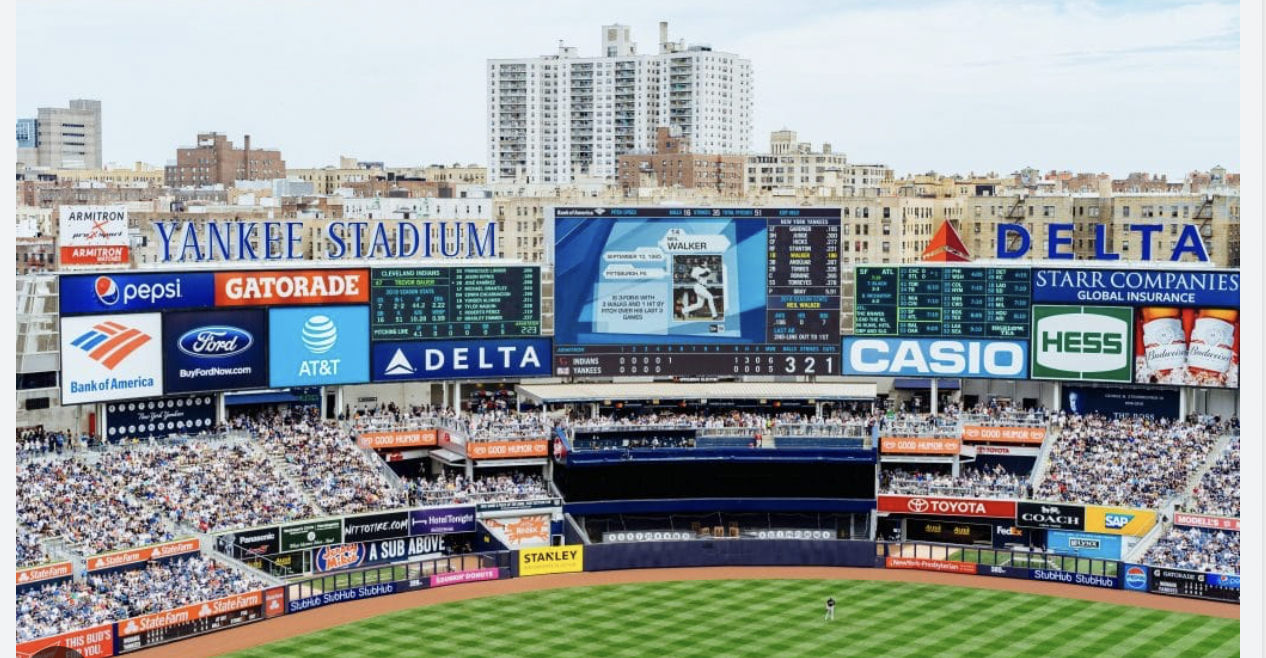
Chinese brands in sports sponsorships are no longer a novelty—they’re a growing force reshaping the global marketing landscape. Once focused on building domestic market share, leading firms like BYD, Hisense, and Alipay are now seizing sports sponsorships as high-visibility gateways to global trust. These aren’t just logo placements—they’re long-term strategic investments aimed at building emotional connection with international audiences.
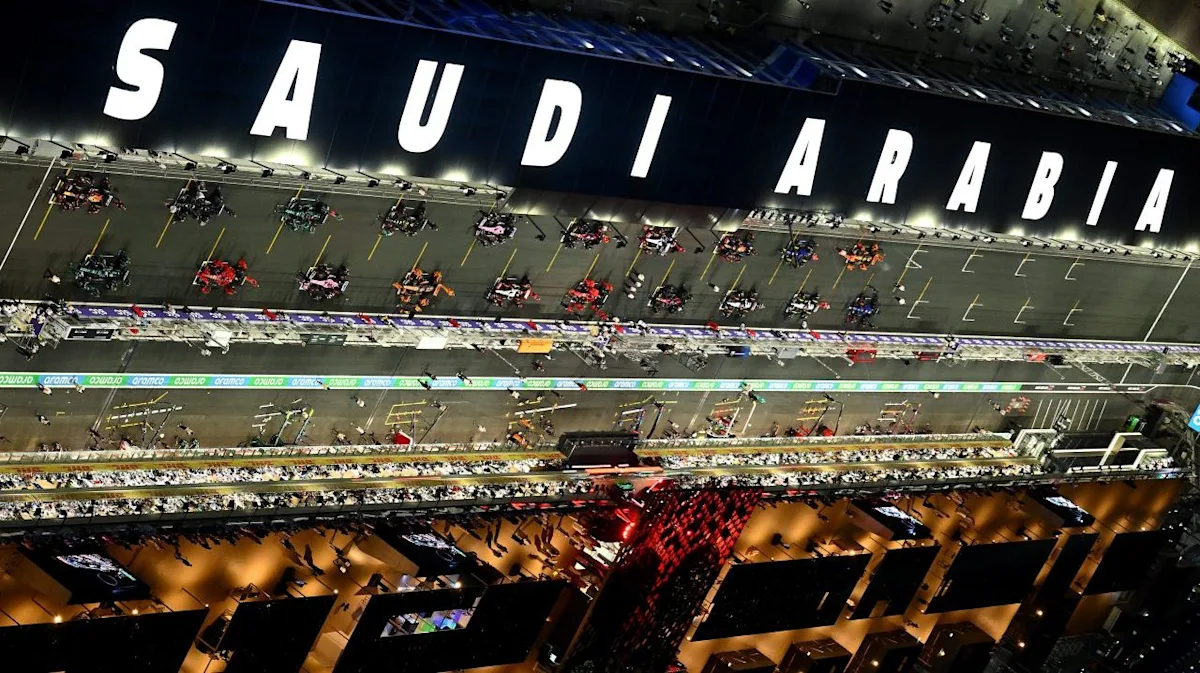
From dominating LED boards at UEFA Euro 2024 to headline partnerships with FIFA and the Olympics, Chinese brands are targeting high-reach platforms that cut across culture, language, and ideology. This Spotlight explores how global sports are becoming central to Chinese brand strategy, and what it means for the future of marketing in the Asian century.
Background: From domestic loyalty to global legitimacy
Just a decade ago, most Chinese companies focused on establishing brand loyalty at home. Their advertising, R&D, and outreach were geared toward local consumers. But with saturation in domestic markets and rising ambitions abroad, firms began looking outward. Sports sponsorships emerged as a fast and effective route to global brand legitimacy.
At the 2022 FIFA World Cup, Chinese sponsors contributed $1.4 billion, surpassing all other nations and even outspending U.S. brands. This was more than a marketing stunt—it was a signal. Events like the Beijing 2022 Winter Olympics and earlier partnerships with the NBA helped test the waters. Now, Chinese companies are scaling their efforts, aligning with prestigious sports platforms to build long-term recognition and consumer trust.
Strategic moves: Euro 2024 and the power of repetition
UEFA Euro 2024 represents the most concentrated effort yet. Among the tournament’s 13 official sponsors, five are Chinese: Hisense, Alipay (Ant Group), AliExpress (Alibaba), Vivo, and electric vehicle leader BYD. Their presence spans everything from fan engagement apps to LED perimeter boards in stadiums, reflecting a unified strategy to gain visibility across Europe.
This isn’t one-off exposure. BYD’s deal as UEFA’s official e-mobility partner aligns with its broader expansion into the European EV market. Similarly, Hisense’s continued sponsorship of major football events has led to real returns—its German division reported a 53% increase in sales in the first half of 2024 alone. By appearing repeatedly across high-trust, fan-centric platforms, these brands are embedding themselves into global consciousness.
Editorial insight: Building trust by association
The deeper objective behind Chinese brands in sports sponsorships is clear: trust-building. Advertising alone can’t bridge cultural skepticism or unfamiliarity. But when a Chinese brand appears beside a UEFA match or an Olympic medal ceremony, it borrows legitimacy and emotional capital from those institutions.
This strategy has unique power in markets like Europe and North America, where consumer trust is often harder to earn. Sponsorships allow brands to participate in the fan experience—less transactional, more relational. For example, Alipay’s digital integrations during Euro 2024 help normalize its fintech ecosystem to millions of Western users.
Yet, this approach is not without risk. In geopolitically sensitive regions, overexposure could trigger regulatory or cultural pushback. Brands must adapt their tone and messaging to each market—blending ambition with cultural fluency to avoid being seen as overreaching.
Future outlook: From campaigns to ecosystems
As results materialize, Chinese brands are moving from short-term sponsorships to full-fledged sports ecosystems. Firms like Li-Ning and Anta are embedding themselves not only in events but in athlete development, youth academies, and apparel innovation. Their strategy mirrors that of legacy Western brands—but with digital-first capabilities and Asian ambition.
Meanwhile, ecommerce and fintech sponsors will increasingly blur the line between sports and commerce. Alipay, for instance, may soon enable live payments and shopping experiences directly tied to sports broadcasts, merging entertainment with transaction. These moves point to a future where sponsorship is no longer a media buy—but a platform for immersive brand experiences.
Conclusion: What comes next as Chinese brands evolve from visibility to influence
Chinese brands in sports sponsorships are no longer operating at the periphery—they’re central players in shaping how brands connect with global audiences. From Euro 2024 arenas to Olympic podiums, these companies are rewriting the playbook for visibility, trust, and influence. What began as brand awareness campaigns are now becoming multi-year, multi-channel strategies that build not only reach, but resonance.
As the line between sports, commerce, and technology blurs, these sponsorships will become deeper, smarter, and more interactive. The global sports arena is evolving—and Chinese brands are poised not just to participate, but to lead the next era of international branding.
Read more on travel, entertainment and sports features.