
Toa Payoh integrated development marks a new phase of urban renewal
Singapore has officially begun construction of the Toa Payoh Integrated Development, a major mixed-use project designed to combine sports, community, and commercial facilities within one of the city-state’s most established residential towns. The project signals Singapore’s continued commitment to long-term urban renewal, even as land scarcity and demographic shifts reshape real estate strategy.
The development reflects how Singapore approaches growth differently from many global cities. Instead of expansion outward, it focuses on intensifying value within mature estates. By embedding new facilities into Toa Payoh, planners aim to stimulate economic activity, enhance liveability, and future-proof community infrastructure.
Why Toa Payoh matters in Singapore’s urban strategy
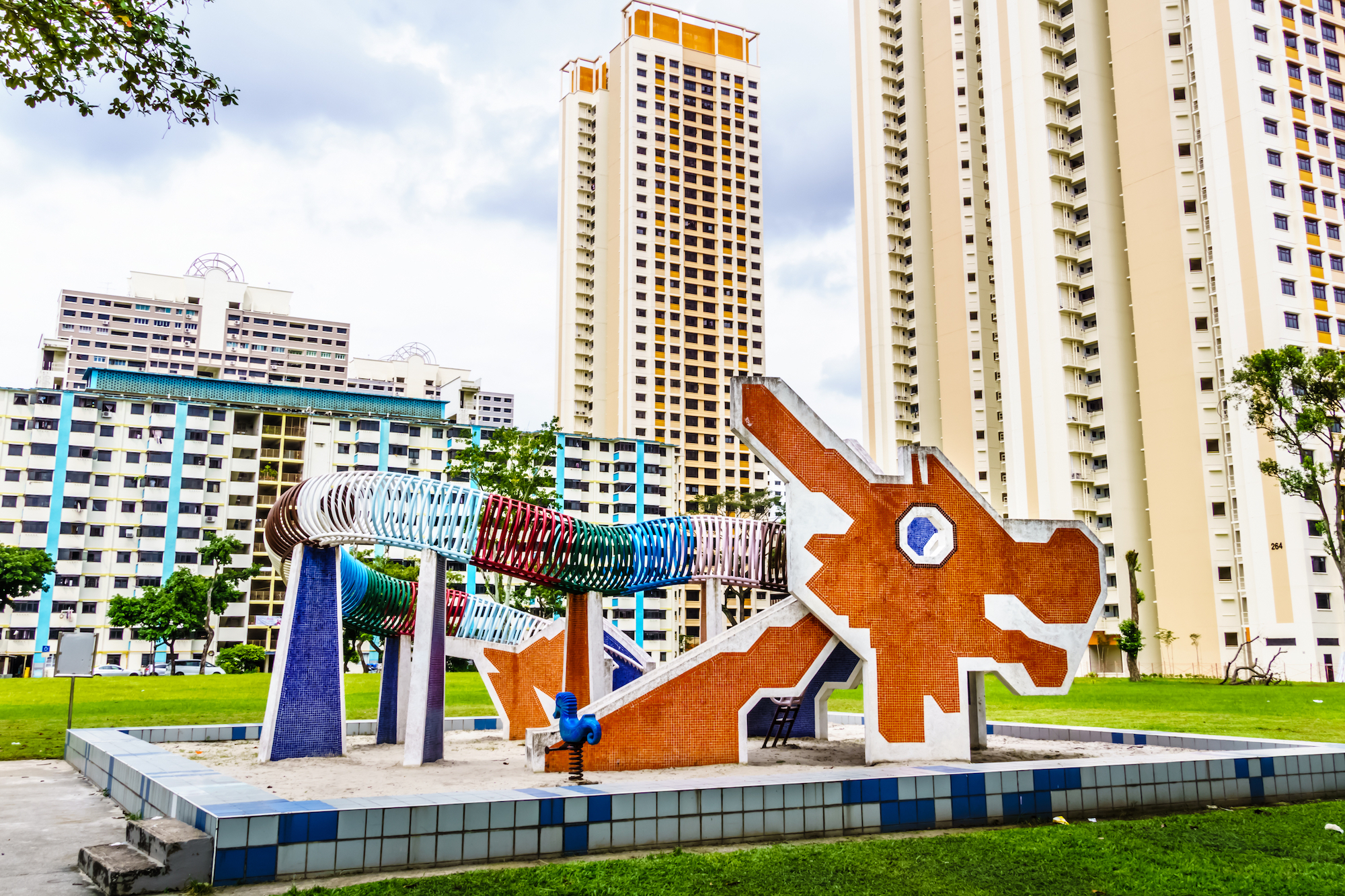
Toa Payoh holds a special place in Singapore’s urban history. As one of the country’s earliest planned public housing towns, it represents a test case for how mature estates can evolve without displacing communities. With an ageing population and changing lifestyle needs, older towns require reinvestment rather than replacement.
Singapore’s urban model prioritises integration. Housing, transport, recreation, and commerce are designed to work together. Integrated developments have become a core tool in this approach, allowing multiple functions to share space, infrastructure, and footfall. In land-scarce Singapore, this model maximises efficiency while strengthening social cohesion.
The Toa Payoh project aligns with broader national objectives led by agencies such as the Housing & Development Board, Urban Redevelopment Authority, and Sport Singapore, which have increasingly collaborated on mixed-use civic projects. These agencies aim to ensure that urban growth supports both economic resilience and quality of life.
Facilities, stakeholders, and execution priorities
The Toa Payoh Integrated Development will feature a modern sports complex, community spaces, and complementary commercial elements. Sport Singapore is expected to oversee the sporting infrastructure, which will include upgraded training facilities designed for both community use and competitive programmes. These facilities are intended to serve residents while attracting regional sporting events.
From a real estate and planning perspective, the Urban Redevelopment Authority and Housing & Development Board are guiding land use integration and connectivity with surrounding residential blocks. The project is designed to link seamlessly with public transport nodes, retail areas, and existing amenities, ensuring steady foot traffic and economic spillover.
Construction and project delivery involve collaboration with major local contractors and engineering firms experienced in large-scale public developments. Companies such as Surbana Jurong, DP Architects, and leading Singapore-based construction groups are typically involved in similar integrated projects, contributing expertise in sustainable design, crowd flow management, and mixed-use optimisation.
The development also supports small and medium enterprises. Retail and service spaces within integrated hubs often prioritise local operators, creating opportunities for food, wellness, and service businesses to tap into consistent neighbourhood demand rather than relying solely on destination traffic.
Integrated developments are Singapore’s growth multiplier
The Toa Payoh project illustrates how Singapore uses urban planning as an economic multiplier rather than a passive backdrop. Integrated developments concentrate activity, reduce duplication of infrastructure, and create predictable demand for services. This benefits not only residents but also investors, operators, and surrounding businesses.
Importantly, these projects are counter-cyclical. While private real estate markets may fluctuate, state-led developments provide continuity in construction activity and long-term confidence. They also signal policy stability, reassuring stakeholders that Singapore remains committed to upgrading core estates rather than focusing only on new growth areas.
However, execution matters. Integrated projects must balance density with accessibility. Overcrowding or poor traffic design can undermine benefits. Singapore’s track record suggests strong coordination, but rising construction costs and labour constraints remain risks that planners must manage carefully.
How the Toa Payoh project could shape surrounding districts
Once completed, the Toa Payoh Integrated Development is expected to act as a catalyst for surrounding precincts. Improved facilities can raise the attractiveness of nearby residential and commercial properties, supporting gradual value appreciation rather than speculative spikes.
The project may also influence how future developments are planned in other mature towns such as Ang Mo Kio, Queenstown, and Bedok. If the Toa Payoh model proves effective, similar integrated hubs could be rolled out more aggressively as Singapore adapts to demographic ageing and evolving lifestyle patterns.
From a business perspective, sustained foot traffic and community engagement create stable operating environments. This is particularly valuable for service-oriented businesses that depend on repeat local customers rather than transient demand.
Toa Payoh development reinforces Singapore’s long-term urban vision
The start of construction on the Toa Payoh Integrated Development reinforces Singapore’s long-term approach to urban and real estate growth. By reinvesting in a mature estate, the city-state demonstrates how infrastructure, community facilities, and commercial activity can be combined to support sustainable development.
Rather than chasing short-term property cycles, Singapore continues to emphasise planning discipline, integration, and resilience. If delivered as intended, the Toa Payoh project will stand as another example of how thoughtful urban design can stimulate economic activity while strengthening community life.