

Notable Roles | - Director, Institute of Public & Environmental Affairs (IPE) |
Key Recognition | - Time 100 Most Influential People (2006) |
Background and Early Foundations
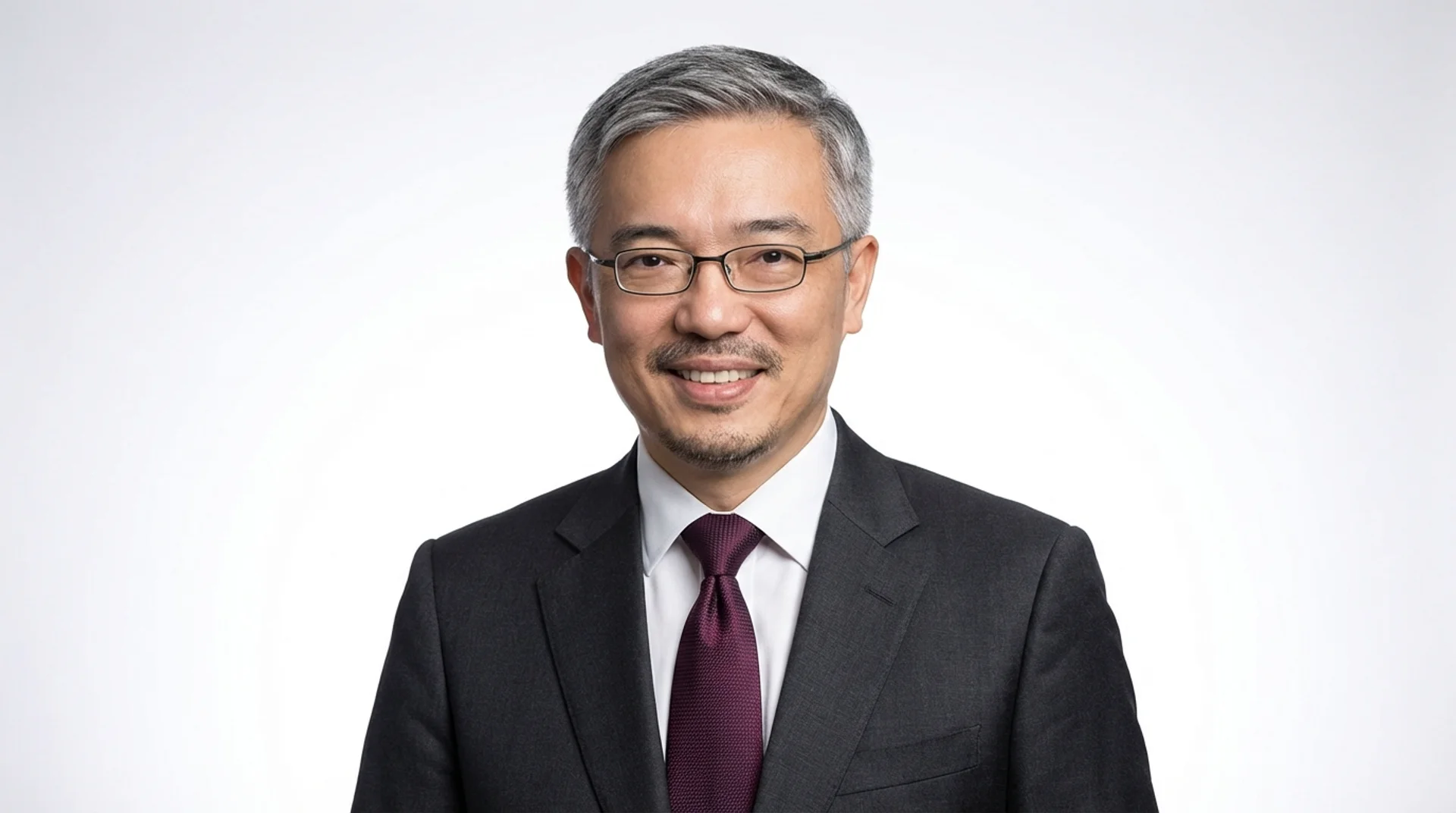
Born in Qingdao, Shandong Province, China, Ma Jun graduated from the Beijing Institute of International Relations in 1992 with a degree in journalism. He began his career as an investigative journalist at the South China Morning Post, where his extensive travels across China exposed him to the country’s severe environmental degradation. These experiences culminated in his seminal 1999 book, China’s Water Crisis, which brought national attention to China’s environmental challenges and has been likened to Rachel Carson’s Silent Spring for its impact.
Career Milestones and Impact
Year | Milestone |
|---|---|
1999 | Published China's Water Crisis, highlighting nationwide water pollution issues. |
2006 | Founded the Institute of Public & Environmental Affairs (IPE) in Beijing. |
2006 | Launched the China Water Pollution Map, the country's first public environmental database. |
2012 | Received the Goldman Environmental Prize for his efforts in environmental transparency. |
2015 | Awarded the Skoll Award for Social Entrepreneurship. |
2020 | Introduced the Blue Map for Zero Carbon, aiding China's carbon neutrality goals. |
- Environmental Violations Exposed: Over 90,000
- Companies Disclosing Emissions Data: More than 20,000
- Corporations Tracked: Approximately 16 million
- Blue Map App Downloads: Over 10 million
Leadership Style and Influence
Ma Jun is renowned for pioneering environmental transparency in China. By leveraging digital tools like the Blue Map app, he empowers citizens to monitor pollution and hold corporations accountable. His approach emphasizes data-driven advocacy, fostering collaboration between NGOs, businesses, and government agencies to promote sustainable practices.
Legacy and Future Focus
Ma Jun’s initiatives have significantly advanced environmental awareness and corporate accountability in China. His work with IPE continues to influence environmental policies and practices, both domestically and internationally. Looking ahead, Ma focuses on enhancing digital platforms to further transparency and support China’s goals for carbon neutrality by 2060.