



Uber Nissan Wayve robotaxi partnership targets future mobility
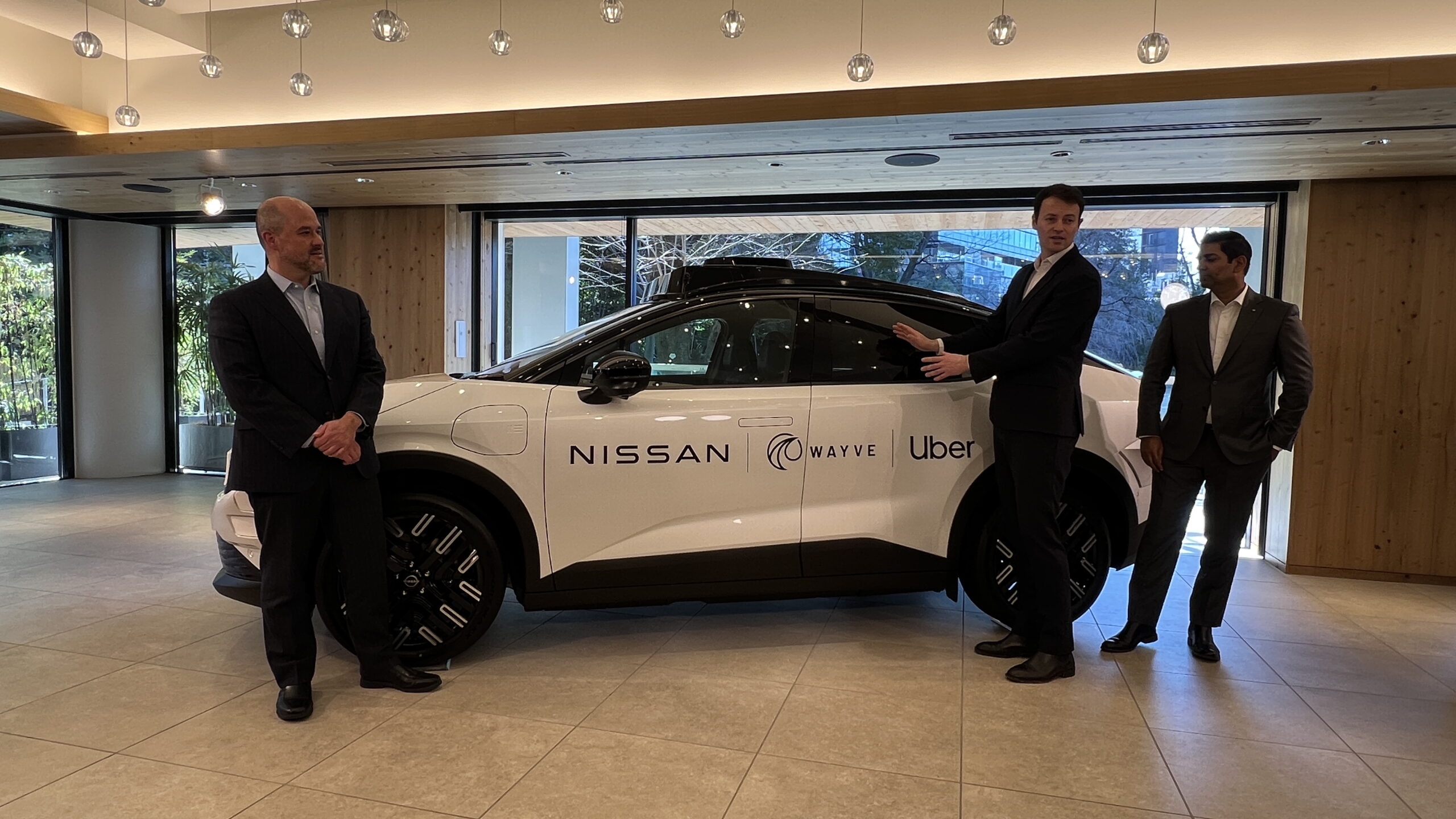
Uber, Nissan Motor, and UK-based AI startup Wayve have announced a collaboration to launch robotaxi trials in Tokyo, combining electric vehicles with advanced autonomous driving technology. The initiative, confirmed in late March 2026, marks a significant step toward deploying AI-powered mobility solutions in one of Asia’s most advanced urban environments.
The Uber Nissan Wayve robotaxi partnership highlights how global mobility players are aligning to accelerate autonomous transport. As cities explore smarter and more sustainable transport systems, robotaxis are emerging as a key component of future urban mobility.
Consequently, the partnership reflects a broader convergence of AI, electric vehicles, and platform-based transport services.
Japan advances autonomous mobility and smart city initiatives
Japan has been actively promoting autonomous driving technologies as part of its long-term mobility strategy.
Government agencies such as the Ministry of Land, Infrastructure, Transport and Tourism (MLIT) and the Ministry of Economy, Trade and Industry (METI) have introduced policies to support testing and deployment of self-driving vehicles.
Tokyo, in particular, has positioned itself as a testbed for smart city technologies.
The city’s infrastructure, regulatory support, and dense urban environment make it ideal for piloting advanced mobility solutions.
At the same time, global interest in robotaxis has intensified.
Companies such as Waymo, Cruise, and Baidu Apollo Go are already deploying autonomous ride-hailing services in select markets.
However, scaling these services remains a challenge due to regulatory, technological, and safety considerations.
Within this context, Japan’s structured approach offers a stable environment for experimentation and deployment.
Combining EVs, AI, and ride-hailing platforms
The Uber Nissan Wayve robotaxi partnership brings together complementary strengths across mobility and technology.
- Uber contributes its global ride-hailing platform and user network
- Nissan Motor provides electric vehicle technology and manufacturing capabilities
- Wayve delivers AI-driven autonomous driving systems
This integrated approach enables the development of a full-stack robotaxi solution.
Nissan’s EVs are expected to serve as the hardware foundation, while Wayve’s AI models enable real-time navigation and decision-making.
Uber’s platform will facilitate ride-hailing services, connecting users with autonomous vehicles.
The collaboration also allows for iterative testing.
Pilot programs in Tokyo will enable partners to gather data, refine algorithms, and improve system performance before scaling operations.
In addition, the partnership may explore integration with urban infrastructure, including smart traffic systems and digital mapping technologies.
Global race intensifies in autonomous mobility
The robotaxi initiative places Uber, Nissan, and Wayve within a highly competitive global landscape.
In the United States, Waymo and Cruise are leading deployments of autonomous ride-hailing services.
In China, Baidu Apollo Go is expanding robotaxi operations across multiple cities.
Meanwhile, automakers such as Tesla are developing autonomous driving capabilities integrated into consumer vehicles.
The competition highlights a key trend.
Autonomous mobility is becoming a strategic battleground involving technology companies, automakers, and platform providers.
Asia is emerging as a critical region in this race.
Countries such as Japan, South Korea, and China are investing heavily in smart mobility infrastructure and regulatory frameworks.
For the Uber Nissan Wayve partnership, success will depend on the ability to deliver safe, reliable, and scalable solutions.
Partnerships drive complexity of autonomous ecosystems
The Uber Nissan Wayve robotaxi partnership illustrates the complexity of autonomous mobility ecosystems.
No single company can easily develop all components required for robotaxi deployment.
Instead, collaboration is essential.
Automakers provide vehicles, AI companies develop autonomous systems, and platforms manage user interactions.
This multi-layered approach allows each partner to focus on its core strengths.
However, it also requires careful coordination.
Technical integration, safety standards, and regulatory compliance must be aligned across all stakeholders.
In addition, public trust plays a critical role.
Successful deployment of robotaxis depends on user confidence in safety and reliability.
Robotaxis set to reshape urban transport
Looking ahead, robotaxi services are expected to transform urban mobility.
Autonomous vehicles have the potential to reduce traffic congestion, improve safety, and lower transportation costs.
In cities like Tokyo, robotaxis could complement existing public transport systems, offering flexible and efficient mobility options.
Advancements in AI and EV technology will further support this transition.
Improved sensors, data processing, and energy efficiency are making autonomous systems more viable.
For Uber, Nissan, and Wayve, the Tokyo pilot represents an important step toward commercialization.
If successful, the model could be expanded to other cities across Asia and globally.
Tokyo pilot marks milestone in autonomous mobility
The collaboration between Uber, Nissan Motor, and Wayve marks a significant milestone in the development of autonomous mobility. By combining EV technology, AI systems, and ride-hailing platforms, the partnership is paving the way for robotaxi deployment in urban environments.
As the global race for autonomous transport intensifies, initiatives like this will play a crucial role in shaping the future of mobility. Tokyo’s robotaxi trials highlight how collaboration and innovation are driving the next generation of transportation solutions.