


Beijing Auto Show AI vehicles highlight next-gen mobility shift
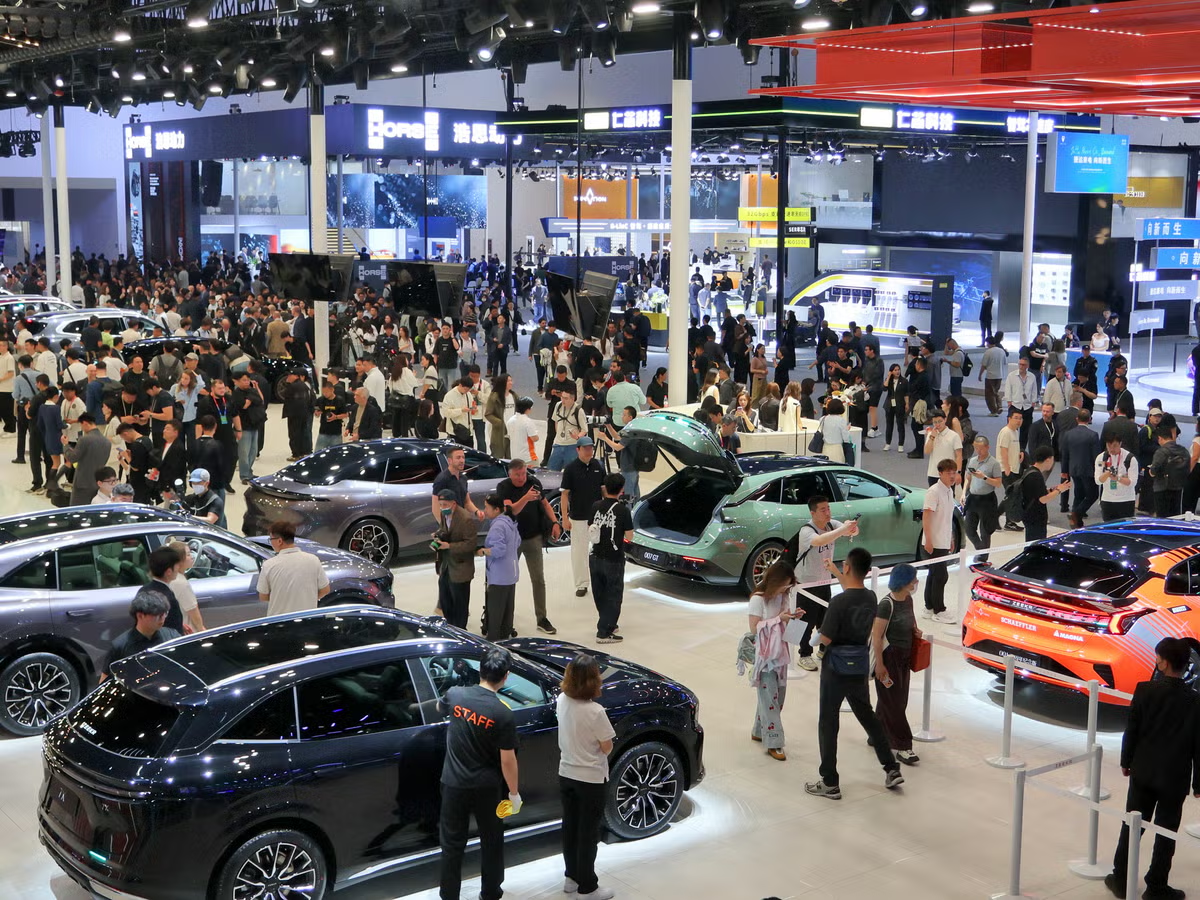
The Beijing Auto Show 2026 has emerged as a major platform showcasing AI-powered vehicle technology, with leading players such as Huawei, BYD, catl, and global automakers unveiling next-generation innovations. Supported by China’s industrial and technology ecosystem, the event reflects how artificial intelligence, autonomous systems, and battery advancements are reshaping mobility.
The Beijing Auto Show AI vehicles trend highlights a decisive shift in the automotive industry. Cars are evolving into intelligent, connected platforms driven by software, data, and advanced hardware integration.
Consequently, the event underscores China’s growing leadership in the global race for smart and electric mobility.
China accelerates AI and EV integration
Artificial intelligence has moved beyond being a commercial innovation driver. It is now central to national security, economic competitiveness, and global influence.
China has invested heavily in AI development, aiming to become a global leader in the field. At the same time, authorities are increasingly cautious about the transfer of intellectual property and talent to foreign entities.
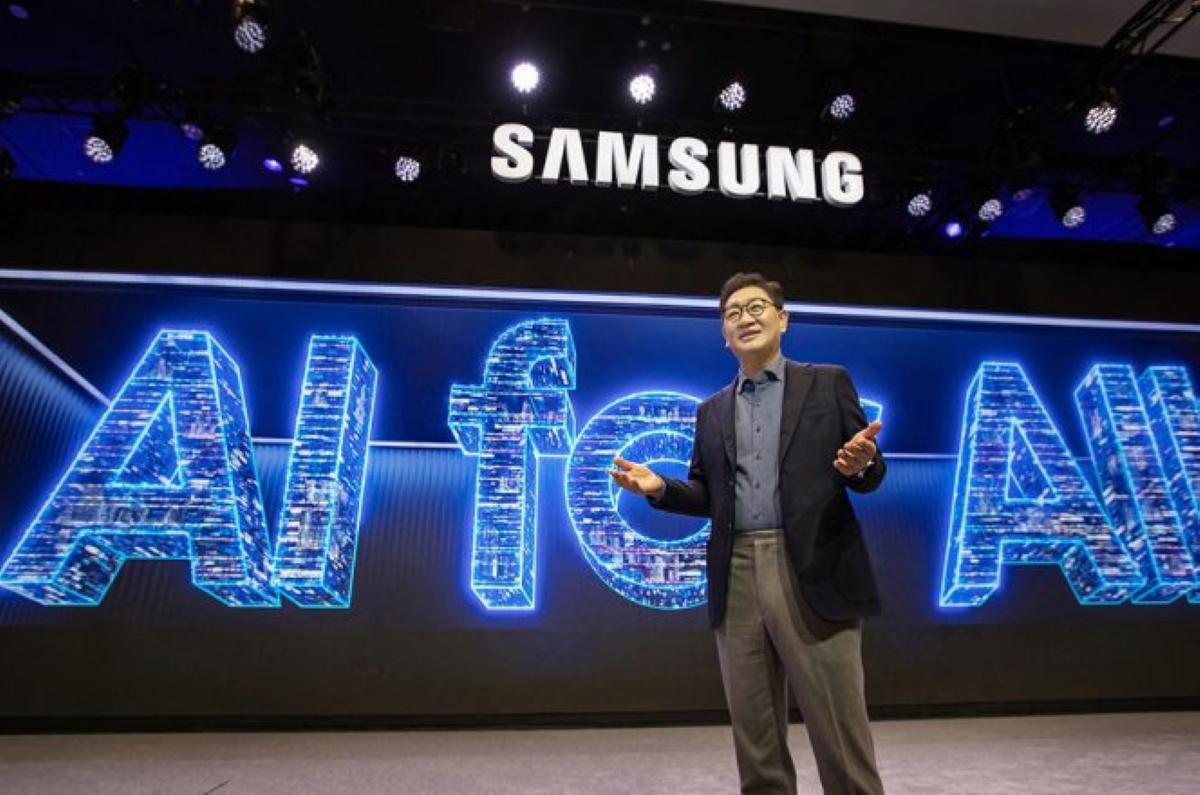
Meanwhile, global technology firms such as Meta are aggressively pursuing AI acquisitions to strengthen their capabilities. Startups with advanced models, datasets, or infrastructure have become highly valuable targets.
Singapore has also emerged as a neutral base for AI startups. Many companies operate there while maintaining operational or talent links to China.
Therefore, deals involving such cross-border structures are drawing heightened regulatory attention.
AI integration and ecosystem partnerships
The Beijing Auto Show AI vehicles trend is driven by several strategic developments.
Automakers are integrating AI into core vehicle systems. This includes autonomous driving features, voice assistants, and real-time data processing.
In addition, battery innovation is advancing rapidly. Companies like CATL are showcasing next-generation energy storage solutions to improve range and efficiency.
Meanwhile, partnerships are becoming critical. Collaboration between automakers, tech companies, and suppliers is accelerating innovation.
Huawei, for example, is working with multiple manufacturers to provide AI-driven software platforms. This enables faster deployment of intelligent features.
As a result, the automotive ecosystem is becoming more interconnected and technology-driven.
Automotive industry shifts toward software-defined vehicles
The Beijing Auto Show AI vehicles trend reflects a broader transformation in the industry.
Vehicles are increasingly defined by software rather than hardware alone. AI systems are becoming the core differentiator in performance and user experience.
At the same time, competition is intensifying. Both traditional automakers and technology companies are investing heavily in innovation.
However, the shift also introduces challenges. Ensuring safety, reliability, and regulatory compliance is critical for widespread adoption.
Therefore, companies must balance rapid innovation with robust engineering and testing.
AI to dominate next phase of automotive evolution
Looking ahead, AI-powered vehicles are expected to dominate the automotive landscape.
Several factors support this trend:
- Growth of autonomous driving technologies
- Expansion of connected vehicle ecosystems
- Advances in battery performance and energy efficiency
- Increasing consumer demand for smart features
China is likely to remain a key innovation hub. Continued investment and competition will drive further advancements.
Meanwhile, global automakers will adapt strategies to align with these trends.
Therefore, AI integration will define the future of mobility.
Beijing Auto Show signals future of intelligent mobility
The Beijing Auto Show 2026 highlights how AI, electrification, and connectivity are transforming the automotive industry. By bringing together leading companies and technologies, the event showcases the next phase of mobility innovation.
As the industry evolves, the convergence of AI and automotive engineering will shape new standards. The Beijing Auto Show AI vehicles trend demonstrates how China is leading this transformation on a global scale.