



China AI startup listing strategy adapts to policy shift
China’s AI startups are restructuring their corporate frameworks to align with domestic listing rules, aiming to unlock new capital through local stock exchanges. The shift reflects a growing focus on securing funding within China’s financial ecosystem.
The China AI startup listing strategy highlights how policy changes are directly influencing startup behavior. As regulatory frameworks evolve, companies are adjusting ownership structures and governance models to meet local requirements.
Consequently, this trend signals a deeper alignment between innovation, capital markets, and national economic priorities.
Regulatory changes reshape funding pathways
China has been tightening oversight of overseas listings in recent years. Authorities are encouraging companies, especially in strategic sectors like AI, to list domestically.
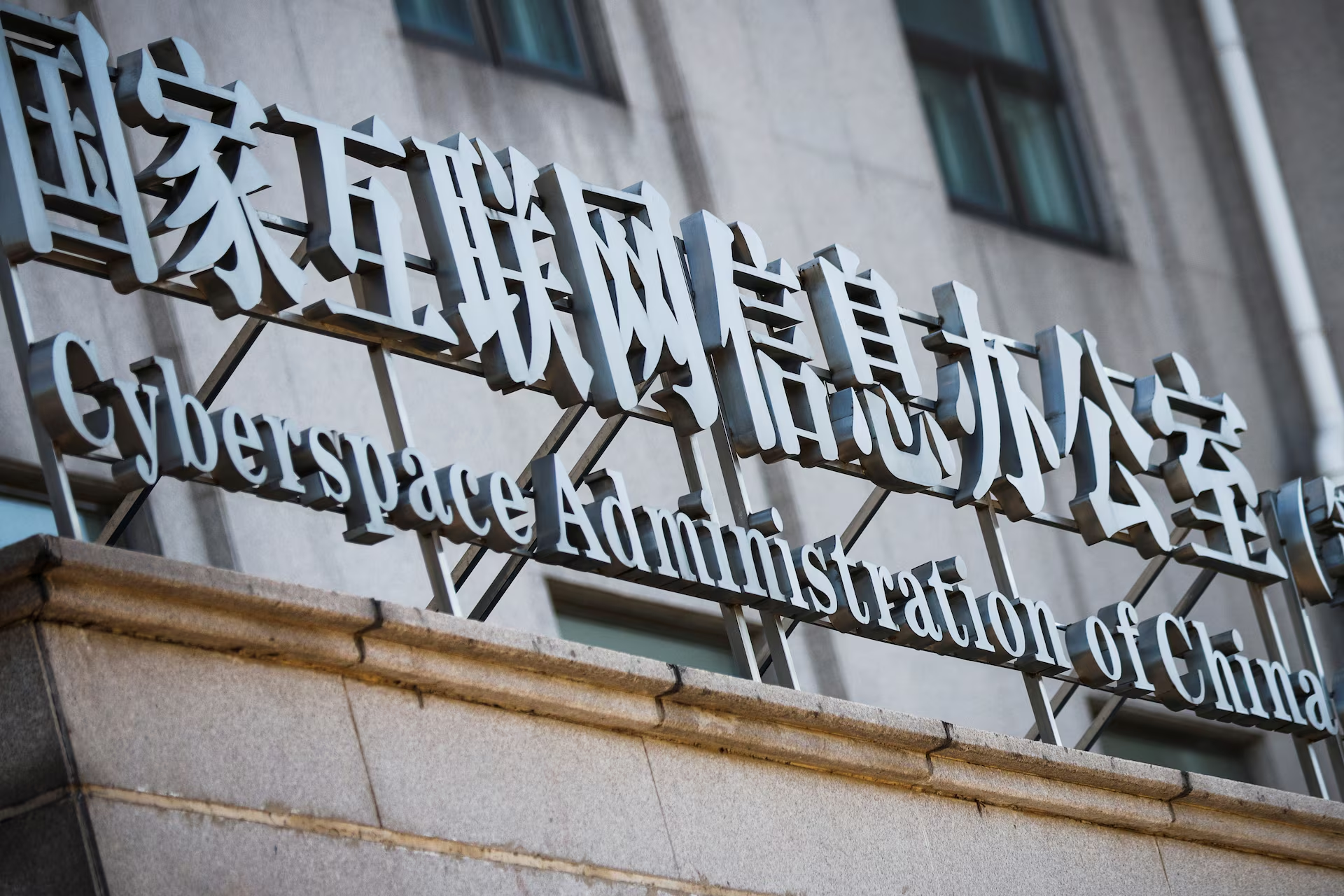
Institutions such as the China Securities Regulatory Commission (CSRC) have introduced guidelines to support local listings while ensuring compliance and data security.
At the same time, access to foreign capital markets has become more complex. Regulatory scrutiny and geopolitical tensions have made overseas IPOs less predictable.
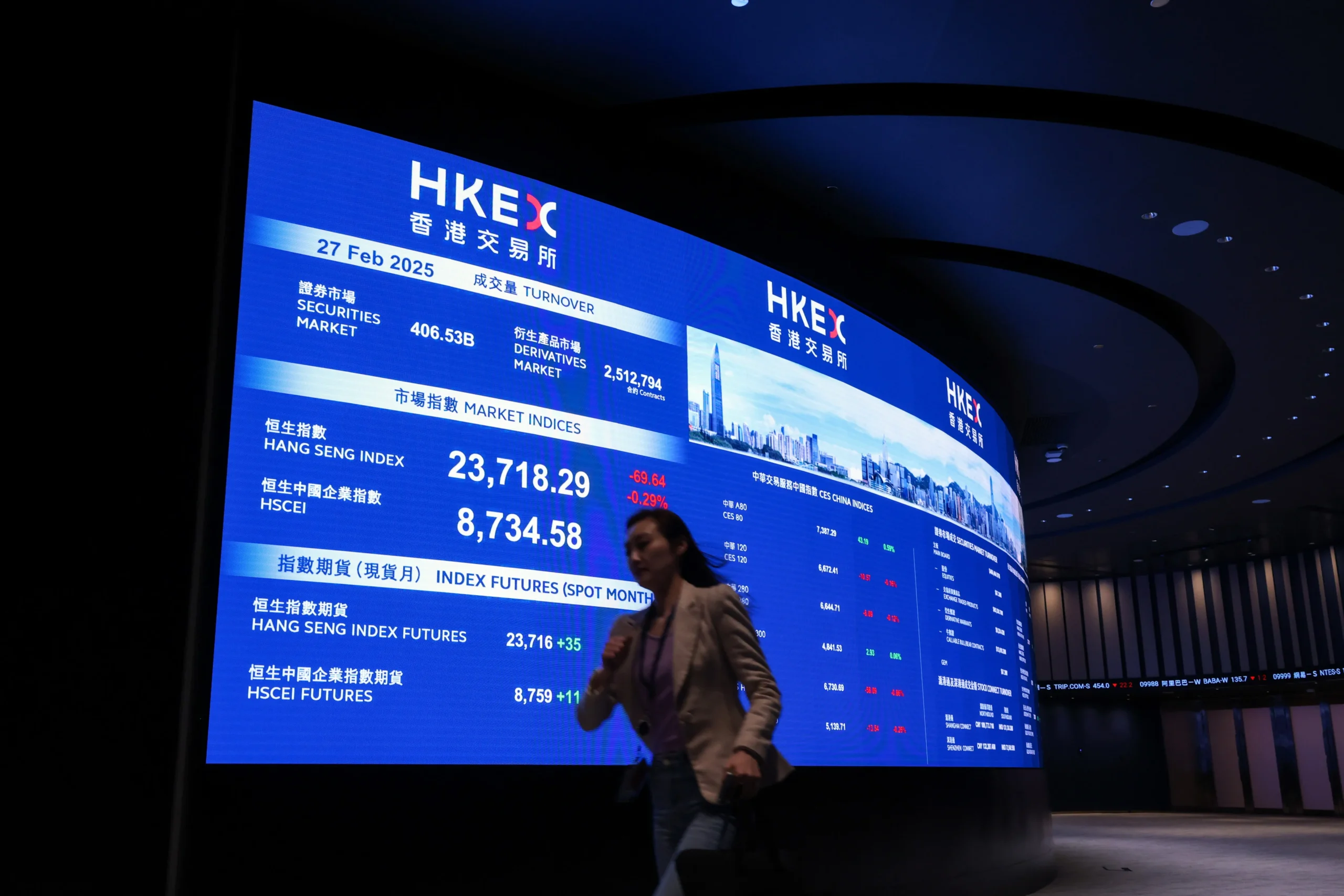
Meanwhile, domestic exchanges such as the STAR Market in Shanghai have gained prominence. These platforms offer funding opportunities for technology-focused companies.
Therefore, startups are increasingly looking inward to secure capital.
Restructuring to meet listing requirements
The China AI startup listing strategy involves significant structural changes.
Startups are adjusting their corporate setups to comply with domestic regulations. This includes simplifying ownership structures and ensuring alignment with local governance standards.
In addition, companies are relocating key operations and assets within China. This helps meet regulatory requirements related to data security and national interest.
Meanwhile, startups are strengthening financial transparency. Clear reporting and compliance systems are essential for listing approval.
Importantly, aligning with domestic rules also improves access to local investors. Institutional and retail investors are showing strong interest in AI and technology companies.
As a result, startups are building more sustainable funding pipelines within China.
Policy influence reshapes startup ecosystems
The China AI startup listing strategy reflects a broader shift in how innovation ecosystems operate.
Government policy is playing a more active role in shaping capital flows. Instead of relying on global markets, countries are building domestic funding systems.
In China, this approach supports strategic industries such as AI, semiconductors, and advanced manufacturing.
At the same time, startups must adapt quickly. Compliance is becoming as important as innovation in determining success.
However, this shift also creates opportunities. Companies that align with policy priorities can access strong local support and funding.
Therefore, the relationship between startups and regulators is becoming more interconnected.
Domestic capital markets to drive AI growth
Looking ahead, domestic listings are expected to play a larger role in funding AI startups in China.
Several factors support this trend:
- Strong government support for strategic sectors
- Growth of domestic capital markets
- Increasing investor interest in AI companies
- Ongoing regulatory changes affecting global listings
Startups may continue refining their structures to meet evolving requirements. Partnerships with local investors and institutions could also increase.
Meanwhile, China’s domestic exchanges are likely to attract more technology listings. This will strengthen the country’s innovation ecosystem.
Therefore, the shift toward local capital markets is expected to continue.
Startups align strategy with evolving capital landscape
China’s AI startups are adapting to a changing regulatory environment by aligning with domestic listing rules. This shift enables them to secure funding while supporting national priorities in technology development.
As the global landscape evolves, local capital markets will play an increasingly important role. The China AI startup listing strategy demonstrates how policy and innovation are shaping the future of funding in the AI sector.