
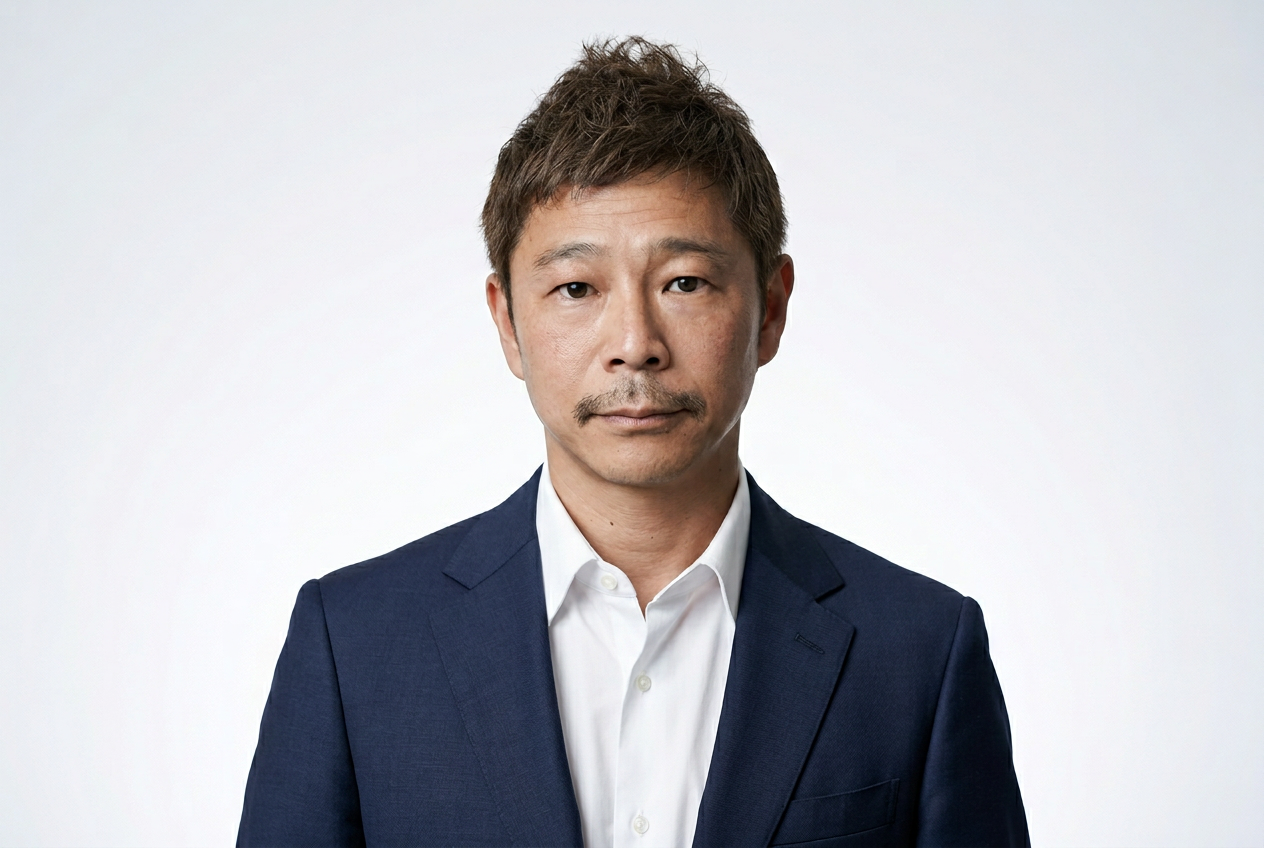



When Yvon Bock founded Hegen, her mission was clear: to empower 100 million mothers around the world. Born from her own experience as a mother of four, the Singapore-based brand set out to revolutionise a mother’s breastfeeding journey. Today, Hegen is present in 27 international markets, a testament to its innovative design and deep understanding of maternal needs. But scaling a consumer brand from Asia to the global stage is rarely a straightforward path. It requires navigating cultural nuances, overcoming preconceived notions, and building trust in unfamiliar territories.
In this feature, we explore the realities of building a consumer brand across diverse markets, drawing from Yvon’s journey of expanding Hegen beyond Singapore. Her insights offer a compelling perspective on how Asian brands can compete, adapt, and succeed globally, proving that true innovation transcends borders.

Redefining the "Asian Brand" Perception
Historically, premium consumer brands have often hailed from the West, creating a natural hesitation among consumers when introduced to new players from Asia. When Hegen first entered international markets over a decade ago, this perception was a tangible hurdle.
“When we first expanded beyond Singapore 10 years ago, Hegen was still a young brand,” Yvon recalls. “Many mothers were more familiar with long-established Western names, so there was a natural hesitation. It was not just about where we came from, but whether we truly understood their lifestyles, routines, and everyday needs.”
Rather than viewing this as a roadblock, Yvon saw it as an opportunity to redefine what an Asian brand could represent. By letting the product and its purpose speak for themselves, Hegen gradually turned hesitation into trust. “Being based in Singapore has also given us a unique advantage,” she explains. “We are inherently exposed to a diversity of cultures, which has shaped how we design with empathy and intention. This allows us to create solutions that feel intuitive and relevant across different markets.”
Through consistent quality and a steadfast commitment to mothers, Hegen did not just overcome perceptions; they quietly reshaped them.

Navigating Cultural Nuances in Consumer Behaviour
Expanding into 27 international markets means encountering a wide spectrum of consumer behaviours. While the desire to provide the best care for a child is universal, the expression of that care varies significantly across cultures.
Yvon observes that in many Asian markets, such as China and Southeast Asia, there is a strong emphasis on community. “Mothers often draw guidance from family members, confinement nannies, and time-honoured practices,” she notes. “There is a deep respect for routines that have been passed down through generations, and caregiving is often a shared experience.”
In contrast, mothers in Western markets tend to approach baby care with a stronger sense of individual research and autonomy. Their decisions are frequently shaped by personal choice, data, and expert-backed information, showing more openness to experimenting with different methods.
For Hegen, this means that while their core design philosophy – anchored by the Sqround design and PCTO™ (Press-to-Close™, Twist-to-Open™) system – remains consistent, their communication must be thoughtfully localised. “Our approach is to stay true to our core while thoughtfully localising how we communicate,” Yvon says. “This means adapting our messaging, partnerships, and go-to-market strategies so that we remain relevant, respectful, and meaningful within each context.”
This localisation extends deeply into their distribution strategy. Rather than relying solely on traditional baby product channels, Hegen actively seeks partners who understand the local culture and language quirks.This unconventional approach allows Hegen to reach customers faster and more authentically, building a network of thousands of touchpoints globally.
The China Success Story: Education and Intention
Hegen’s remarkable rise during China’s Singles’ Day in 2016, where they moved from 8th to 2nd place among thousands of baby bottle brands, is a powerful case study in market penetration. However, Yvon is quick to point out that this was not an overnight success.
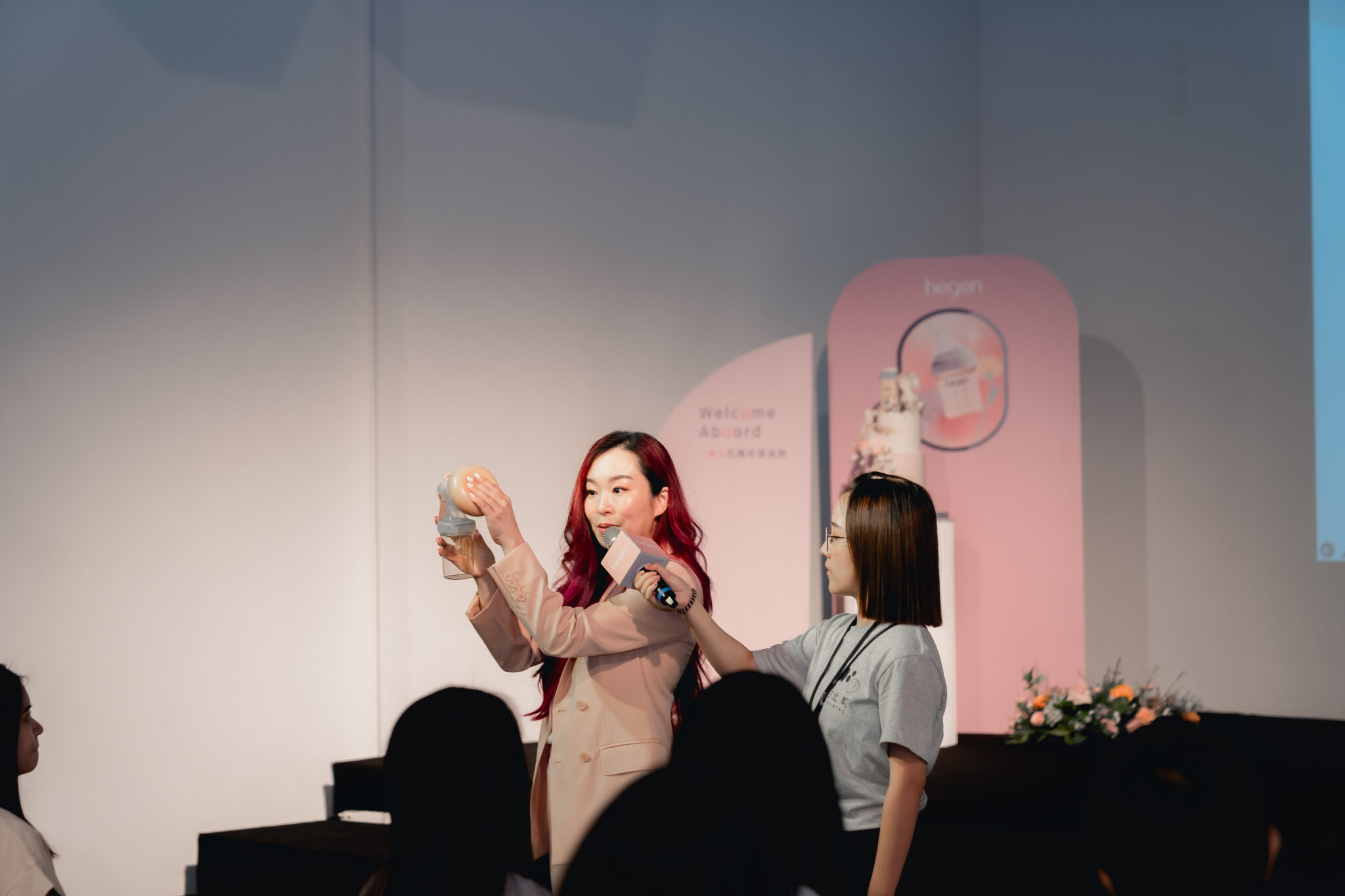
“What may have appeared as an ‘overnight’ Singles’ Day success was, in reality, the result of very intentional groundwork and momentum built over time,” she explains. A key driver of this growth was a strong investment in education. Through initiatives like Hegen’s Cherish Nature’s Gift™ (CNG) workshops and webinars featuring medical experts, Hegen created safe and trusted spaces for parents to learn and feel supported.
“Ultimately, our success in China was never just about selling a product,” Yvon asserts. “It was about showing up with intention, educating, and supporting parents in a way that truly adds value to their lives.”
Protecting Innovation and Building Trust
A defining, yet devastating, moment in Hegen’s early journey came in 2011, when their initial design was leaked. A competitor copied their unique concept and released a similar product before Hegen could launch, costing the company six figures and years of hard work. This painful experience underscored the critical importance of Intellectual Property (IP) protection.
“My advice to founders is to take intellectual property seriously from day one,” Yvon advises. “A strong IP strategy is not just about legal protection. It is about making early, deliberate investments in trademarks, patents, and the safeguarding of your product, brand, and ideas.”
As Hegen expanded globally, a robust IP foundation allowed them to scale with confidence across different legal frameworks. Beyond protection, Yvon views a strong IP strategy as a signal of originality and trustworthiness to partners, distributors, and consumers.
This foundation of trust extends to how Hegen builds its community. “Trust cannot be manufactured,” Yvon states. “When mothers feel genuinely supported, they naturally become advocates for the brand.” Through their service arm, Hegen continues to invest deeply in education and support, proving that community is not just an extension of the brand, but its very heart.
The Next Frontier for Asian Brands
Looking ahead, Yvon sees the biggest challenge and opportunity for Asian consumer brands as two sides of the same coin: differentiation with authenticity. In an increasingly crowded global market, competing on price or speed is no longer sufficient. Brands must stand for something clear, meaningful, and consistent.
“Asian brands today are deeply rooted in culture, adaptability, and innovation,” Yvon reflects. “We exist at the intersection of tradition and modernity, and that gives us a unique lens in how we design, communicate, and solve problems. When we embrace that, rather than emulate Western brands, we have the ability to offer something genuinely distinct on the global stage.”
As the landscape evolves, the next five years will favour brands that are purpose-led and culturally aware. For Yvon Bock and Hegen, the journey continues to be about building trust across markets, staying close to their community, and evolving without losing the essence of who they are.
Editorial Perspective
The story of Hegen is a masterclass in what it takes for an Asian brand to transcend its geographical origins. For decades, the playbook for Asian consumer brands expanding globally was largely built on cost arbitrage or rapid iteration. Hegen represents a different, more sustainable model: competing on design, empathy, and uncompromising intellectual property.
Yvon Bock’s journey highlights a crucial shift in the global consumer landscape. Trust is no longer inherited simply by being a legacy Western brand; it is earned through deep, localised engagement and a genuine commitment to community. Hegen’s ability to navigate the communal caregiving traditions of Asia while appealing to the research-driven autonomy of Western mothers demonstrates a sophisticated cultural fluency that many legacy brands struggle to achieve.
As more Asian founders look to the global stage, Hegen’s trajectory offers a clear lesson: the goal is not to emulate what has worked before, but to leverage the unique intersection of tradition and modernity that defines modern Asia. It is a reminder that the most successful global brands are those that remain deeply authentic to their roots while remaining relentlessly focused on the universal needs of their consumers.
This feature is part of Feature.Asia’s ongoing series spotlighting leaders and innovators across the region.
Discover more stories featuring leaders shaping the future across Asia.