





A landmark hundred steadies India after Test setbacks
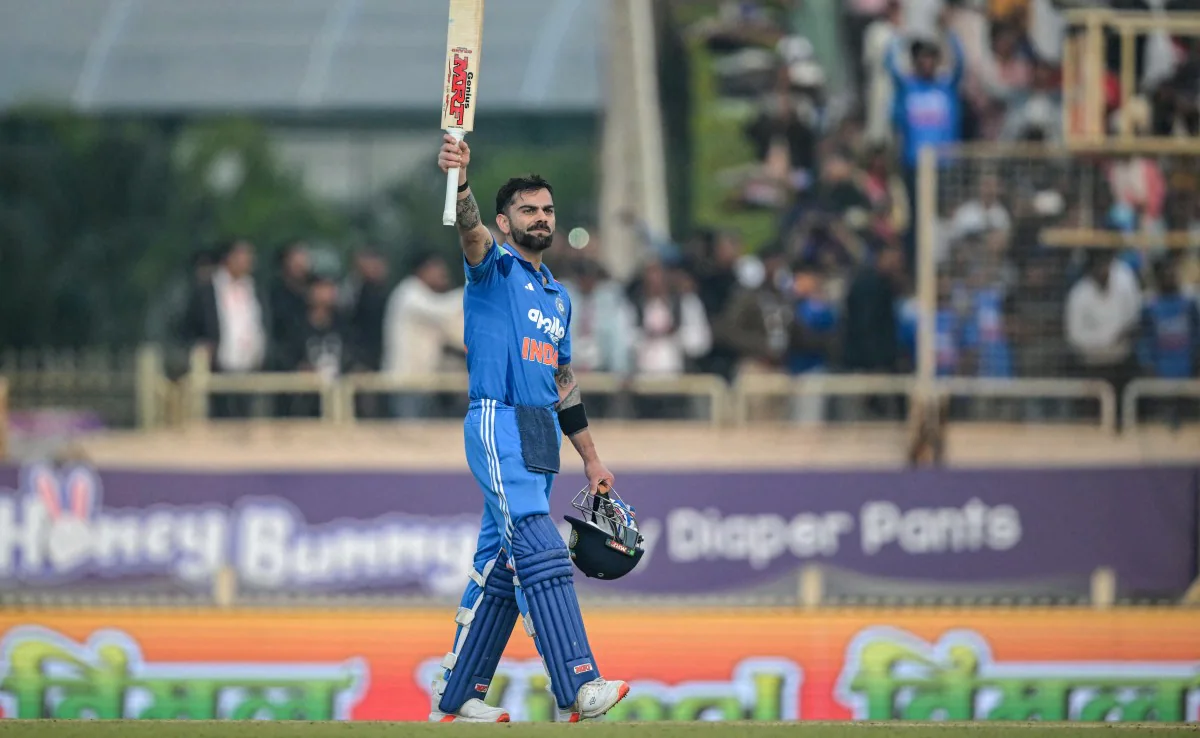
Virat Kohli returned to ODI cricket with a statement innings, striking his 52nd century in the format as India beat South Africa by 17 runs in the first match of the series in Ranchi on 30 November 2025. Kohli’s 135 from 120 balls anchored India’s 349 for 8 and gave the hosts a commanding platform after a period of red-ball disappointment. South Africa’s chase was fierce and, at times, looked unstoppable, but India’s bowlers held their nerve at the death to take a 1–0 lead in the three-match contest. The win mattered for more than the scoreboard. It reset India’s mood in white-ball cricket and reminded everyone that Kohli remains the team’s most reliable pressure-run engine when the stakes rise.
A series opener with larger emotional weight
India entered this ODI series needing a clean emotional pivot. Recent Test losses had raised fresh debate about form, selection balance, and leadership rhythm. ODIs, however, offer a different psychological stage. They are shorter, sharper, and built for immediate narrative swings. In that setting, a strong opener can change the temperature of an entire tour.
Ranchi was a symbolic venue for that reset. The surface at the JSCA International Stadium Complex has historically rewarded stroke play early, then challenged batters later with grip and slower pace. It often turns into a game of timing and decision-making rather than brute force. India’s think-tank knew their safest route was a big first-innings score, because chasing here under lights can become chaotic once a ball softens and fielding fatigue sets in.
South Africa also arrived with a point to prove. Their white-ball unit has been rebuilding toward the next ICC cycle, and this series is a stress test for a squad blending established names with younger power hitters. In short, both teams carried pressure into the opener. India required confidence. South Africa wanted relevance.
How Kohli and India built a winning total
India’s innings followed a clear arc. They started with intent through Rohit Sharma and Yashasvi Jaiswal, but the early acceleration was only useful because Kohli later controlled the middle overs. After Rohit’s 57 laid the base, Kohli shifted gears through a classical ODI template: low-risk singles early, then pace-change boundaries once set. His timing through cover and midwicket forced South Africa to protect both sides of the wicket, which opened gaps for rotation.
What stood out was Kohli’s ability to keep pressure on without reckless targeting. He picked Nandre Burger and Marco Jansen for release shots, waited out the quieter overs from the spinners, and accelerated hard after the 35th over. The strike rate above 112 was not cosmetic. It ensured India crossed 340 rather than settling near 310, and that difference became decisive once South Africa counter-punched.
KL Rahul’s 60 added the late innings stability India needed. Ravindra Jadeja’s 32 off 20 tilted momentum further. Even India’s lower order chipped in just enough to keep the scoring curve rising. The total of 349 for 8 looked imposing, but it also carried a warning: this pitch was clearly good enough to chase if South Africa batted deep.
Why this century felt bigger than the number
Kohli’s 52nd ODI hundred is a milestone on paper, yet it felt more meaningful in context. For months, India’s batting conversation has revolved around transition and balance. Younger players have emerged, but the team still relies on Kohli when games tighten. His Ranchi innings reinforced that the old ODI craft still matters in a modern chase-heavy era. He did not simply score quickly. He scored in phases, managed risk, and left India with room to defend even if wickets fell at the end.
This century also re-framed India’s narrative after the Test losses. White-ball cricket can be deceptive, but it is still where public confidence rebuilds fastest. When a senior player produces a marquee innings in a series opener, the dressing room relaxes. Younger batters feel protected. Bowlers run in knowing the total has weight. That is why Kohli’s timing, more than his tally, was critical.
Another quiet thread here is leadership stability. Rahul, leading in this match, leaned heavily on senior experience to set tone. His post-match comments praised Kohli and Rohit for making high-class ODI batting look simple. That matters because it signals alignment between captaincy and core experience rather than tension.
What India must still fix despite the win
India start the series ahead, yet the chase exposed several areas they cannot ignore. South Africa reached 332, and for a stretch the game slipped toward them. The middle overs in India’s bowling lacked control, allowing partnerships to build too freely. India also leaked boundaries in clusters, which is often a sign of nervous field settings rather than clear plans.
However, the closing phase showed why India remain hard to beat in ODIs when they stay calm. Kuldeep Yadav and the pace unit found enough control at the death to choke the last surge. The final margin of 17 runs reflects that India were not dominant throughout, but they were better in the decisive moments.
Looking ahead, India will want a cleaner powerplay with the ball and more discipline through overs 25 to 40. If they tighten those two windows, totals like 330 will be far harder to chase. The team also needs to lock in its batting order rhythm before bigger ICC events, and this match gives them a strong reference point.
For South Africa, the loss still carries positives. Their chase proved they can attack big totals in Indian conditions. They will take confidence from the way their middle order extended the chase deep. Their task now is to start faster with the ball and stop another Kohli-style anchor from batting them out of the game.
Kohli’s Ranchi masterclass restores India’s ODI pulse
India’s 17-run win in Ranchi was a high-grade ODI contest shaped by Kohli’s brilliance and a tense final stretch of bowling. His 135, the 52nd century of his ODI career, gave India the cushion they needed when South Africa threatened to pull off a near-historic chase. After recent Test stumbles, this opener offered India something vital: a reminder of their white-ball depth, and a reminder that Kohli’s control of pressure remains one of their strongest assets. With two games left, the series is alive, but India now hold both the lead and the momentum.