
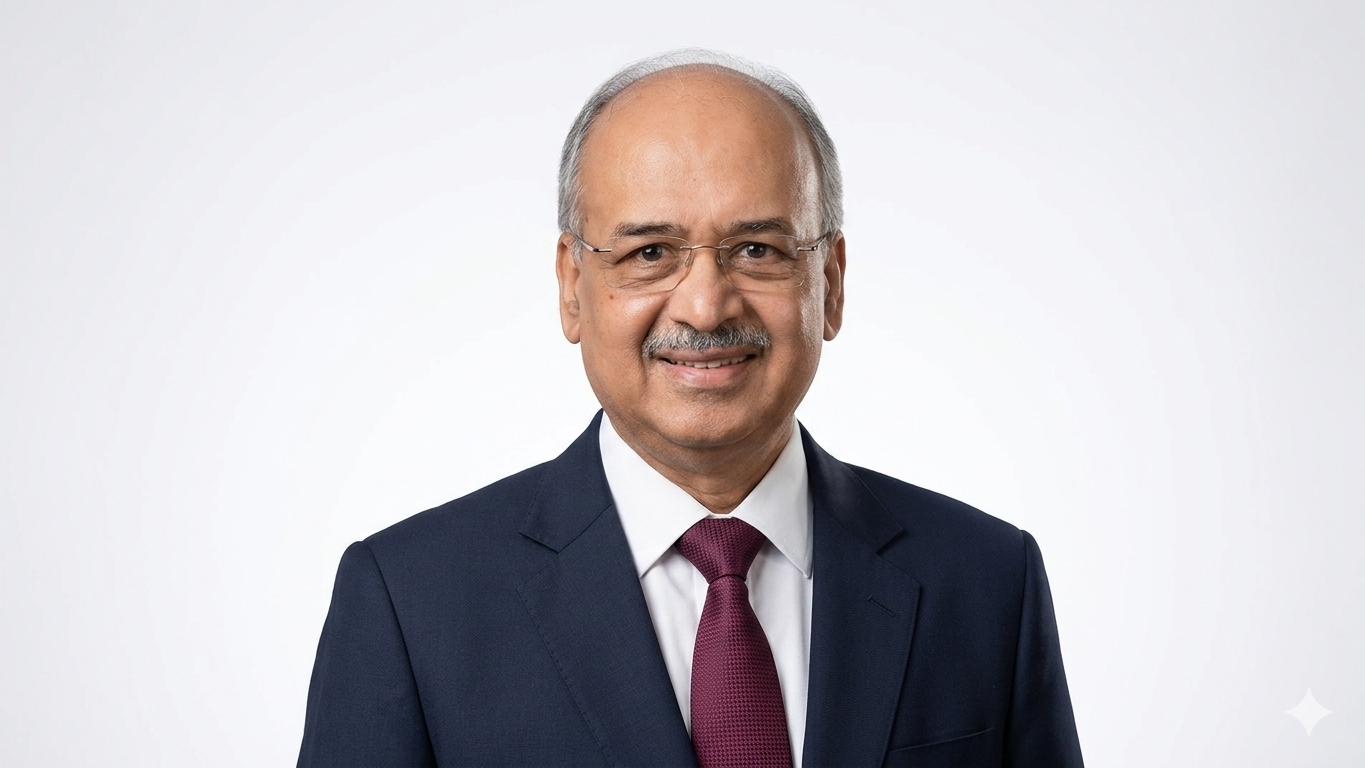


Notable Roles | - Conceptual Artist, Sculptor, Filmmaker, Architect, Activist |
Key Recognition | - Praemium Imperiale (2022) |
Background and Early Foundations
Ai Weiwei was born in Beijing to Ai Qing, a renowned poet who was later denounced during China’s Anti-Rightist Movement. The family endured years of exile in remote regions like Xinjiang, where Ai’s father was subjected to hard labor. These formative experiences instilled in Ai a deep awareness of political oppression and the power of expression. In 1981, Ai moved to the United States, studying at the Parsons School of Design in New York City. There, he was influenced by artists like Marcel Duchamp and Andy Warhol, and he immersed himself in the city’s vibrant art scene. Returning to China in 1993, Ai became a central figure in contemporary Chinese art, blending traditional motifs with modern commentary.
Career Milestones and Impact
Year | Milestone |
|---|---|
2008 | Co-designed the Beijing National Stadium ("Bird's Nest") for the Olympics. |
2010 | Unveiled "Sunflower Seeds" at Tate Modern, featuring 100 million handcrafted porcelain seeds. |
2017 | Directed "Human Flow," a documentary on the global refugee crisis. |
2020 | Released "Coronation," documenting Wuhan's lockdown during the COVID-19 pandemic. |
2021 | Published memoir "1000 Years of Joys and Sorrows," reflecting on his life and activism. |
- Major Exhibitions: Over 130 worldwide, including retrospectives at the Seattle Art Museum and Tate Modern.
- Documentaries Directed: 3 major films addressing human rights and global crises.
- Public Art Projects: Notable installations like “Good Fences Make Good Neighbors” across New York City.
- Social Media Influence: Over 1 million followers across platforms, using digital media for advocacy.
Leadership Style and Influence
Ai Weiwei’s work is characterized by its bold confrontation of political and social issues. He seamlessly integrates art with activism, using his creations to challenge authority and advocate for human rights. His leadership lies in his unwavering commitment to freedom of expression, often at personal risk. By leveraging both traditional art forms and modern technology, Ai has amplified marginalized voices and brought global attention to critical issues
Legacy and Future Focus
Ai Weiwei stands as a symbol of artistic resistance against oppression. His multifaceted career—spanning sculpture, architecture, film, and writing—has redefined the role of the artist in society. Currently based in Lisbon, he continues to produce work that challenges societal norms and advocates for justice. His legacy is not only in his art but also in his relentless pursuit of truth and transparency.



