




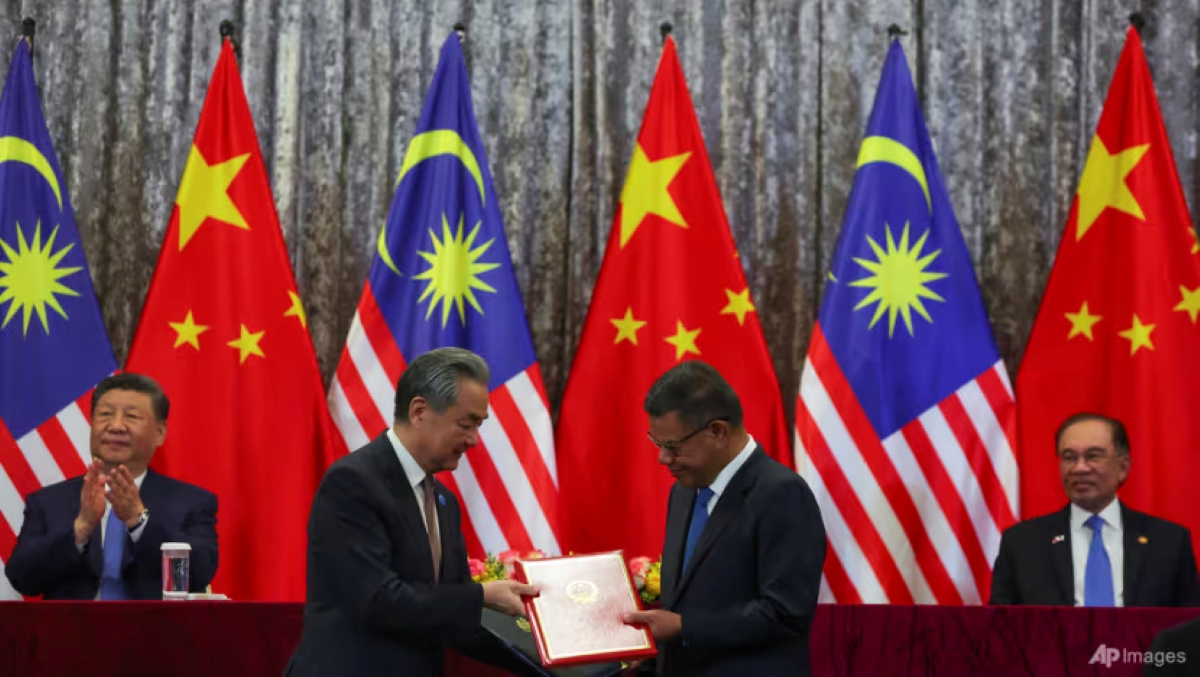
Landmark policy deepens travel and economic ties
Starting July 17, citizens of China and Malaysia will be able to travel between the two countries without a visa for up to 30 days. This China and Malaysia visa-free travel agreement reflects growing cooperation between the nations and a broader push for regional openness across Asia.
The move is expected to boost tourism, improve business engagement, and revive air routes that were disrupted during the pandemic. It also sends a strong message to neighboring economies about easing travel rules to support growth.
Strong bilateral ties meet rising demand
China and Malaysia share a long history of diplomatic, trade, and cultural connections. China has remained Malaysia’s largest trading partner for more than a decade, while Malaysia is one of China’s top partners in Southeast Asia. The visa-free travel policy reinforces this bond with a practical benefit for citizens on both sides.
Before this agreement, Chinese tourists were required to apply for visas in advance. This process often deterred last-minute travel and limited flexibility. Malaysia had already granted temporary visa exemptions to Chinese nationals in late 2023, which led to a sharp rise in arrivals. According to Tourism Malaysia, Chinese visitor numbers doubled in Q1 2024 compared to the previous year.
Now, by making the exemption mutual, both countries aim to create a more fluid and welcoming travel corridor.
Regional competition and tourism rebound
The China and Malaysia visa-free travel deal arrives as Southeast Asian nations compete to attract Chinese tourists. Thailand, Indonesia, and Singapore have also relaxed entry requirements or signed similar agreements. As a result, Malaysia’s move helps secure its place among the region’s most accessible destinations.
Moreover, the policy aligns with China’s own outbound travel recovery efforts. Chinese travelers have increasingly favored destinations with simpler visa rules, especially as group tour policies were reintroduced in phases. The new agreement will likely boost Malaysian hotel bookings, airline partnerships, and destination marketing efforts.
In parallel, Malaysia Airlines and AirAsia are expanding flight frequencies to key Chinese cities. According to AirAsia’s press release, more than 120 weekly flights are scheduled to resume between the two countries by late Q3 2025.
Easing mobility unlocks new opportunity
This agreement highlights a shift in how countries manage travel diplomacy. The China and Malaysia visa-free travel deal goes beyond tourism. It signals a deeper intent to foster people-to-people ties, business travel, and education exchanges.
Many Chinese companies are investing in Malaysian infrastructure, manufacturing, and digital services. By reducing barriers, the agreement may encourage more face-to-face collaboration. Likewise, Malaysian entrepreneurs seeking entry into the Chinese market can now do so with greater ease and speed.
However, with increased flows come logistical challenges. Border control systems must adapt to new traveler volumes, and tourism operators must be ready for cultural and language expectations. Still, the overall direction is clear: Asia is opening up faster than ever.
Travel corridor with long-term impact
The China and Malaysia visa-free travel policy is not just a short-term tourism boost. It creates a framework for longer-term engagement between two growing economies. Both nations are members of RCEP, the world’s largest free trade agreement, and have signaled interest in deepening regional integration.
If successful, the agreement could serve as a model for other cross-border travel partnerships. Malaysia is already in talks with other countries to expand visa-free entry, while China continues to adjust its travel policies to revive outbound movement.
In the coming months, expect to see co-branded tourism campaigns, business travel fairs, and more university collaborations. These efforts will help embed the policy into the daily rhythms of travel, trade, and education.
Regional openness is gaining speed
The new China and Malaysia visa-free travel agreement is more than a border policy. It reflects a vision for an interconnected, cooperative, and mobile Asia. As economic ties deepen, easy movement becomes a strategic enabler, not just a convenience.
For travelers, the benefits are clear. For businesses and governments, the signal is even stronger: open access is now a competitive advantage.