


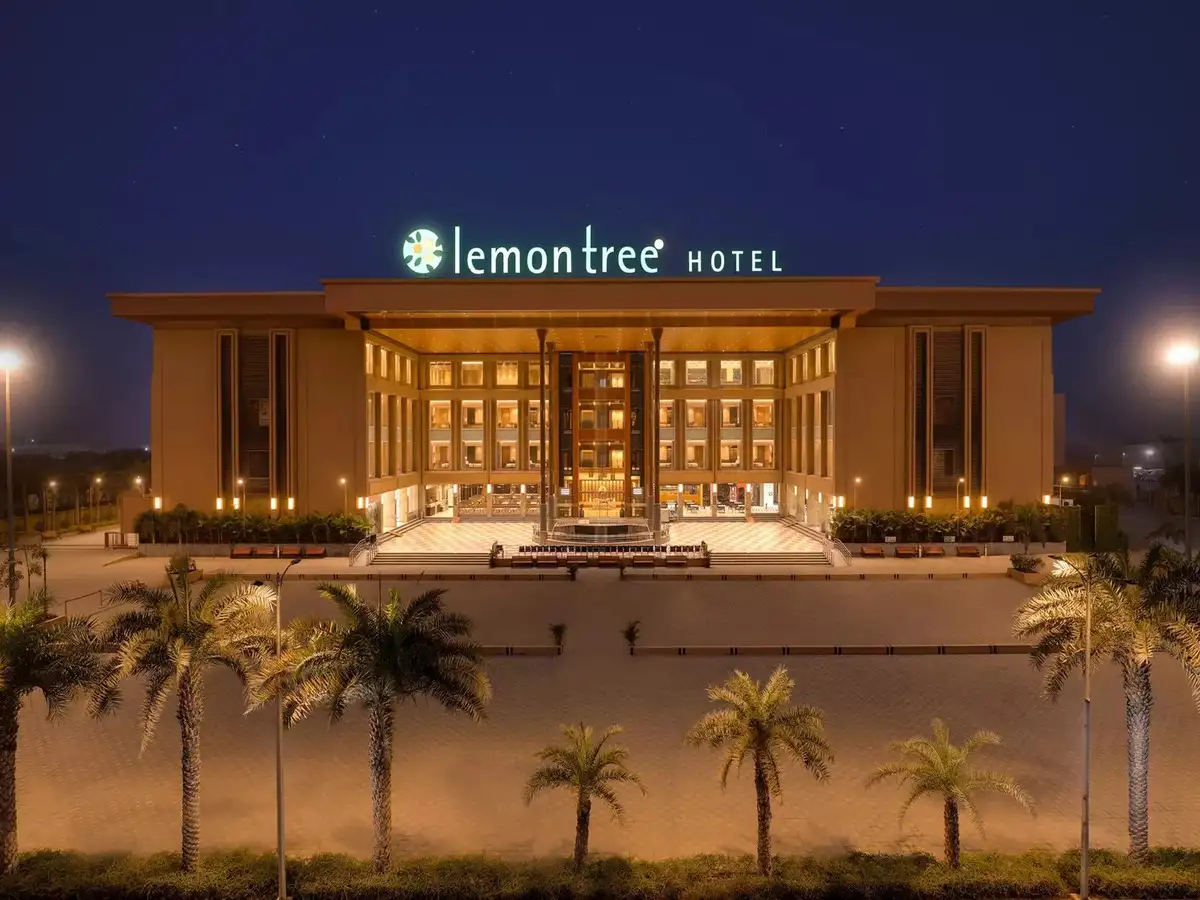


Lemon Tree Hotels plans international expansion across Southeast Asia
Indian hospitality company Lemon Tree Hotels has announced plans to expand its international presence across Southeast Asia, targeting destinations popular with Indian travellers including Thailand, Vietnam and Singapore. The expansion reflects the company’s strategy to capture the fast-growing outbound tourism market while building a stronger regional hospitality footprint.
The Lemon Tree Southeast Asia expansion comes at a time when Indian international travel demand is accelerating. Rising disposable incomes, improved flight connectivity and visa facilitation across Asian destinations are encouraging Indian travellers to explore overseas leisure and business opportunities.
Lemon Tree Hotels builds a strong domestic hospitality base
Founded in 2002 by entrepreneur Patu Keswani, Lemon Tree Hotels has grown into one of India’s leading mid-market hospitality groups. The company operates a portfolio of brands including Lemon Tree Hotels, Red Fox Hotels, Keys Select and Aurika Hotels & Resorts, targeting both business and leisure travellers.
The group currently manages and franchises properties across major Indian cities such as Delhi, Mumbai, Bengaluru, Hyderabad and Goa. It has also expanded into key tourism destinations and emerging business hubs across the country.
Meanwhile, the company is listed on the National Stock Exchange of India (NSE) and the Bombay Stock Exchange (BSE), which has helped it raise capital to support its long-term expansion strategy.
India’s hospitality sector has experienced strong recovery following the pandemic-driven slowdown. Domestic travel demand surged as business travel resumed and leisure tourism rebounded.
At the same time, international travel from India has also increased sharply.
Government bodies such as the Ministry of Tourism, Government of India and organisations like the Indian Association of Tour Operators (IATO) continue to promote outbound and inbound travel connectivity with regional destinations.
Consequently, hotel groups are exploring new opportunities beyond domestic markets.
Regional expansion targeting Southeast Asia
The Lemon Tree Southeast Asia expansion strategy focuses on establishing properties in destinations frequently visited by Indian tourists.
Countries such as Thailand, Vietnam and Singapore attract millions of Indian travellers annually due to their tourism infrastructure, visa accessibility and strong air connectivity.
Therefore, Lemon Tree Hotels plans to establish properties in these markets through management agreements and strategic partnerships with local developers.
This asset-light expansion model allows the company to scale internationally without significant capital investment.
Additionally, the strategy enables Lemon Tree to leverage its expertise in operating mid-market hotels tailored to business travellers and leisure tourists.
Furthermore, the company aims to position its brands as familiar hospitality options for Indian travellers abroad.
Many Indian travellers prefer hotel brands they recognise from their domestic travel experiences.
Consequently, expanding into Southeast Asia may help Lemon Tree capture a loyal customer base already familiar with its service standards.
Moreover, the group can benefit from growing regional travel flows between India and Southeast Asia.
Airlines such as Singapore Airlines, Thai Airways and VietJet Air continue to expand flight connectivity between Indian cities and major Southeast Asian destinations.
Improved connectivity strengthens tourism flows and increases demand for hotel accommodation.
Indian hotel groups expand internationally
Lemon Tree’s expansion into Southeast Asia reflects a broader trend among Indian hospitality companies seeking international growth.
Major Indian hotel groups including Taj Hotels (IHCL), Oberoi Hotels, and ITC Hotels have expanded their presence in global markets over the past decade.
These brands have established properties across destinations in the Middle East, Europe and Asia.
However, Lemon Tree focuses primarily on the mid-market and upper midscale segments, which remain highly attractive for price-conscious travellers.
The Southeast Asian hospitality market remains highly competitive.
International hotel groups such as Marriott International, Hilton Hotels & Resorts, and Accor operate extensive property networks across the region.
Nevertheless, Lemon Tree’s strategy targets a specific niche — Indian travellers seeking familiar hospitality experiences abroad.
Additionally, regional tourism authorities continue to encourage foreign hotel investment.
Government organisations such as the Singapore Tourism Board, Tourism Authority of Thailand, and the Vietnam National Administration of Tourism actively support hospitality development.
These initiatives aim to strengthen tourism infrastructure and accommodate rising visitor volumes.
Indian outbound tourism reshapes hospitality strategy
The Lemon Tree Southeast Asia expansion highlights how Indian outbound tourism is reshaping regional hospitality strategies.
India is rapidly emerging as one of the world’s most important outbound travel markets.
Millions of Indian tourists travel internationally every year for leisure, business and education.
Consequently, hospitality companies increasingly recognise the value of catering specifically to Indian travellers.
Hotels that understand Indian guest preferences — including cuisine options, cultural familiarity and service expectations — can gain a competitive advantage.
Moreover, Southeast Asia remains one of the most accessible regions for Indian travellers.
Short flight durations, favourable visa policies and competitive travel costs continue to attract visitors.
Therefore, hotel brands that establish early regional presence may benefit from long-term tourism growth.
Regional hospitality competition set to intensify
Looking ahead, Lemon Tree Hotels is likely to expand its international footprint gradually across key Southeast Asian tourism markets.
Future developments may include additional management partnerships and franchise agreements with regional hotel developers.
Moreover, the company may explore opportunities in emerging travel destinations beyond Thailand, Vietnam and Singapore.
Countries such as Indonesia, Malaysia and the Philippines are also witnessing strong growth in tourism arrivals.
Additionally, regional tourism initiatives such as ASEAN travel cooperation programmes aim to encourage cross-border travel across Southeast Asia.
These initiatives could further boost tourism flows and hotel demand.
Meanwhile, rising outbound tourism from India may continue to drive demand for hospitality services across Asia.
Consequently, Indian hotel groups expanding internationally may play an increasingly visible role within the region’s tourism landscape.
Lemon Tree positions itself as a regional hospitality player
Lemon Tree Hotels’ expansion into Southeast Asia marks an important step in the company’s international growth strategy. By targeting destinations popular with Indian travellers, the hospitality group aims to strengthen its brand presence while capturing the growing demand for outbound tourism accommodation.
As travel connectivity improves and regional tourism continues to grow, Lemon Tree’s expansion strategy could position the company as a significant hospitality player across Asia’s rapidly evolving travel market.