





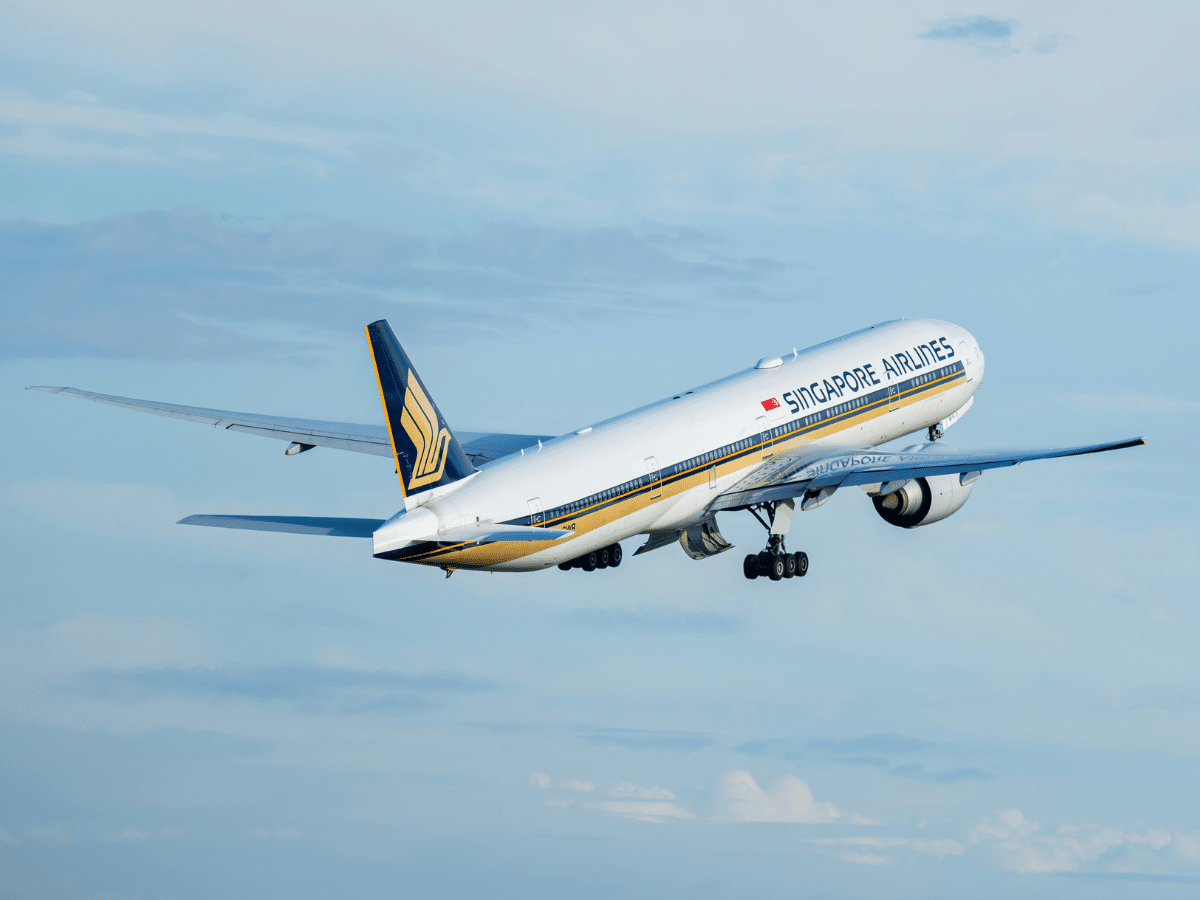
Singapore Airlines sharpens its premium travel strategy
Singapore Airlines is strengthening its focus on premium travel across Asia as the carrier responds to rising demand from high-spending travelers, luxury tourists, and corporate passengers. The strategy shift, announced ahead of the airline’s regional expansion plans for 2026, includes increasing premium-seat capacity, enhancing airport lounge experiences, and prioritizing profitable long-haul and regional premium routes.
The move highlights a broader transformation in Asia’s aviation sector, where airlines are targeting affluent travelers willing to pay more for comfort, exclusivity, and personalized service. For Singapore Airlines, premium travel is becoming a major driver of long-term profitability and competitive positioning.
Premium demand reshapes Asia’s airline industry
Asia’s aviation market has recovered strongly since the pandemic, driven by tourism growth, business travel recovery, and rising consumer spending. However, airlines are now seeing the strongest margins in premium segments rather than traditional economy travel.
Singapore Airlines has long positioned itself as a premium global carrier. Founded in 1972, the airline built its reputation through high service standards, strong operational reliability, and luxury-focused cabin experiences. In recent years, premium travel demand has accelerated further as affluent travelers seek more personalized and comfortable flying experiences.
The airline has already introduced upgraded business-class cabins, expanded premium economy offerings, and invested heavily in digital personalization systems. According to the official, the company continues to prioritize customer experience innovation as a central part of its global strategy.
At the same time, Asia’s luxury travel market is expanding rapidly. Rising wealth across Southeast Asia, India, China, and Japan is creating a larger base of premium travelers. Business executives, high-net-worth individuals, and luxury tourists are increasingly choosing airlines that offer seamless premium experiences across both regional and international routes.
Industry analysts also note that premium passengers generate significantly higher margins than economy travelers, making the segment highly attractive for major airlines facing rising fuel and operating costs.
Expanding premium routes and customer experiences
Singapore Airlines is now aligning more of its network strategy around premium demand. The airline plans to increase premium-seat allocation on selected Asian routes while strengthening connectivity between luxury tourism destinations and major business hubs.
Key markets include Japan, South Korea, India, Thailand, and Indonesia, where premium travel demand continues to rise. The airline is also expected to add more premium-focused services connecting Singapore with financial centers such as Tokyo, Hong Kong, Mumbai, and Seoul.
In addition, Singapore Airlines is investing further in premium airport infrastructure. This includes upgraded lounges, faster boarding systems, and more personalized digital services for frequent flyers and corporate customers.
The carrier is also enhancing onboard experiences through improved dining options, upgraded cabin interiors, and expanded entertainment systems. These investments aim to differentiate Singapore Airlines from regional competitors in an increasingly crowded aviation market.
Importantly, the strategy reflects a larger shift in airline economics. Premium passengers typically spend more on loyalty programs, upgrades, and ancillary services. As a result, airlines can improve profitability even without significantly increasing total passenger numbers.
Singapore Airlines executives have emphasized that premium travel remains one of the strongest-performing segments in the post-pandemic aviation recovery. The company sees long-term growth opportunities in travelers seeking higher-quality experiences rather than lower-cost options.
Asia’s aviation industry enters a premium era
Singapore Airlines’ latest strategy highlights how Asia’s airline industry is evolving beyond traditional volume-based growth models. For years, airlines focused mainly on expanding passenger numbers and increasing low-cost connectivity. Today, profitability depends increasingly on premium spending and customer loyalty.
This shift mirrors broader economic trends across Asia. Rising incomes, expanding luxury tourism, and stronger business travel are creating a larger premium consumer base. Travelers are now willing to pay more for comfort, privacy, flexible schedules, and personalized services.
At the same time, premium travel has become a key battleground among global airlines. Carriers across Asia and the Middle East are upgrading business-class cabins, investing in airport lounges, and introducing new loyalty benefits to attract affluent travelers.
Singapore Airlines holds a strong advantage because of its established premium brand reputation. However, competition is intensifying as airlines like Emirates, Qatar Airways, Cathay Pacific, and ANA expand their own luxury-focused offerings.
The strategy also reinforces Singapore’s position as one of Asia’s leading aviation hubs. By focusing on high-value travel, Singapore Airlines supports the country’s wider ambition to strengthen its role in global tourism, finance, and business connectivity.
Premium travel expected to drive long-term growth
Looking ahead, Singapore Airlines is likely to continue increasing investment in premium travel infrastructure and route optimization. Analysts expect the airline to prioritize routes with strong corporate demand and growing luxury tourism potential.
The company may also deepen partnerships with luxury hotels, financial institutions, and tourism operators to create integrated premium travel ecosystems. Digital personalization tools powered by AI could further improve customer targeting and loyalty engagement.
Asia’s premium travel market is expected to grow steadily over the next decade as wealth creation accelerates across the region. Airlines that successfully combine operational efficiency with premium customer experiences are likely to achieve stronger margins and greater long-term resilience.
For Singapore Airlines, the premium strategy represents more than a short-term recovery plan. It reflects a broader repositioning toward higher-value travel segments that can deliver sustainable growth even during periods of economic uncertainty.
Singapore Airlines strengthens its premium positioning
Singapore Airlines’ increased focus on premium travel across Asian markets reflects the changing dynamics of the global aviation industry. By expanding premium routes, upgrading customer experiences, and targeting affluent travelers, the airline is positioning itself for long-term growth in Asia’s evolving travel economy.
As competition intensifies among global carriers, premium service quality may become the defining factor separating industry leaders from rivals. Through its latest strategy shift, Singapore Airlines is reinforcing its reputation as one of Asia’s leading premium aviation brands.