


Notable Roles | - Founder & Former CEO, Haier Group |
Key Recognition | - Thinkers50 Lifetime Achievement Award (2023) |
Background and Early Foundations
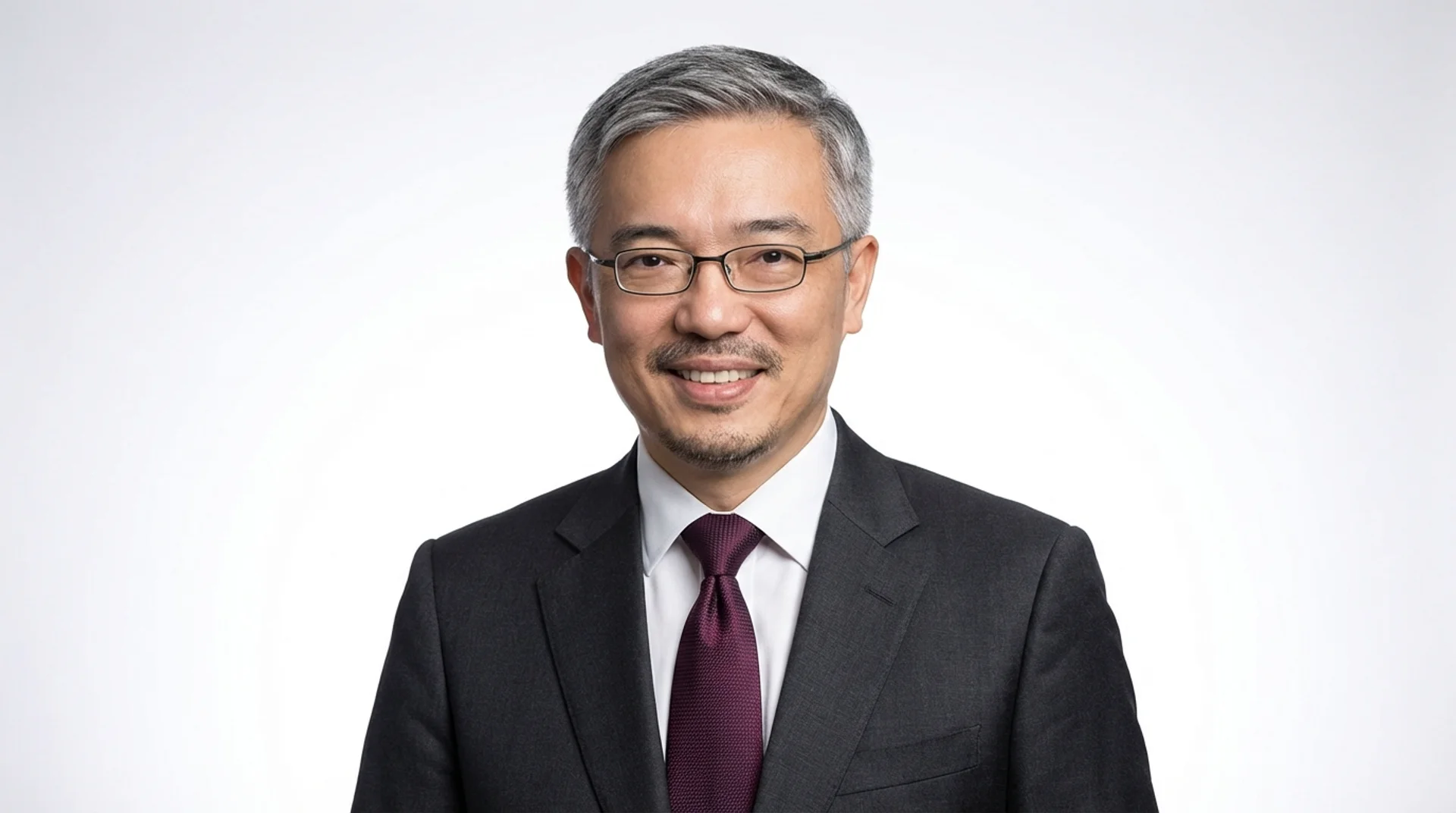
Zhang Ruimin was born into a working-class family in Laizhou, Shandong Province, China. During the Cultural Revolution, he joined the Red Guards and later worked in a metal-processing factory in Qingdao. In 1984, Zhang was appointed director of the Qingdao Refrigerator Factory, a struggling state-owned enterprise on the brink of bankruptcy. Recognizing the need for drastic change, he initiated a series of reforms to revitalize the company. In a symbolic act to emphasize quality, he famously destroyed 76 defective refrigerators with a sledgehammer, setting a new standard for product excellence.
Career Milestones and Impact
Year | Milestone |
|---|---|
1984 | Took Marico public with a successful IPO. |
1991 | Established Marico Innovation Foundation to promote innovation in India. |
1998 | Launched ASCENT Foundation, a peer-to-peer platform for entrepreneurs. |
2005 | Received EY Entrepreneur of the Year – India award. |
2016 | Honored with the AIMA Lifetime Achievement Award. |
- Global Presence: Haier operates in over 100 countries with multiple manufacturing bases worldwide.
- Workforce: Employs over 100,000 people globally.
- Revenue: Haier Smart Home reported revenues of approximately $32 billion in 2021.
- Market Leadership: Consistently ranks as the world’s leading home appliance brand by retail volume.
Leadership Style and Influence
Zhang Ruimin’s leadership is characterized by innovation, adaptability, and a relentless focus on customer needs. He pioneered the Rendanheyi model, which eliminates traditional hierarchies, empowering employees to operate as independent entrepreneurs within the organization. This approach has been studied globally as a blueprint for organizational agility in the digital age.
Legacy and Future Focus
Zhang Ruimin’s transformation of Haier from a failing local factory into a global powerhouse stands as a testament to visionary leadership and innovative management. His philosophies continue to influence business leaders worldwide, emphasizing the importance of decentralization, customer-centricity, and continuous innovation.