

A pilot scheme with big tourism potential
Starting 29 September 2025, South Korea will allow Chinese tourist groups of three or more people to enter the country without visas for up to 15 days. The pilot scheme will run through mid-2026 and is designed to revive tourism ties between Asia’s second-largest economy and one of its most important travel markets.
The policy signals a fresh phase of tourism diplomacy between Seoul and Beijing, with ripple effects expected across airlines, hotels, duty-free retailers, and neighboring destinations in Asia.
China’s importance to South Korea’s tourism economy
China has historically been South Korea’s largest source of inbound travelers. In 2016, before the pandemic and diplomatic disputes, Chinese tourists accounted for nearly half of South Korea’s foreign visitors. Their spending power boosted retail, hospitality, and attractions ranging from Seoul’s shopping districts to Jeju Island’s resorts.
However, relations cooled after 2017, when South Korea’s deployment of the U.S. THAAD missile defense system triggered unofficial boycotts by China. Tourist arrivals from the mainland plunged, and despite a rebound in recent years, numbers have not yet returned to pre-2016 peaks.
Against this backdrop, the visa-free pilot program reflects Seoul’s attempt to mend ties and tap into pent-up Chinese demand for international leisure travel. It also demonstrates recognition that tourism is a soft-power tool, carrying diplomatic as well as economic weight.
Details of the visa-free program
The pilot scheme applies to tour groups of at least three Chinese nationals, organized by accredited travel agencies, and allows them to stay in South Korea for up to 15 days. Travelers can visit multiple cities, including Seoul, Busan, and Jeju, as long as they remain within the permitted timeframe.
Key features include:
Pilot duration: From 29 September 2025 to mid-2026, with potential extension depending on performance.
Eligibility: Groups must book through approved Chinese travel agencies, ensuring oversight and accountability.
Scope: Covers leisure, shopping, and cultural visits, but not work or long-term stays.
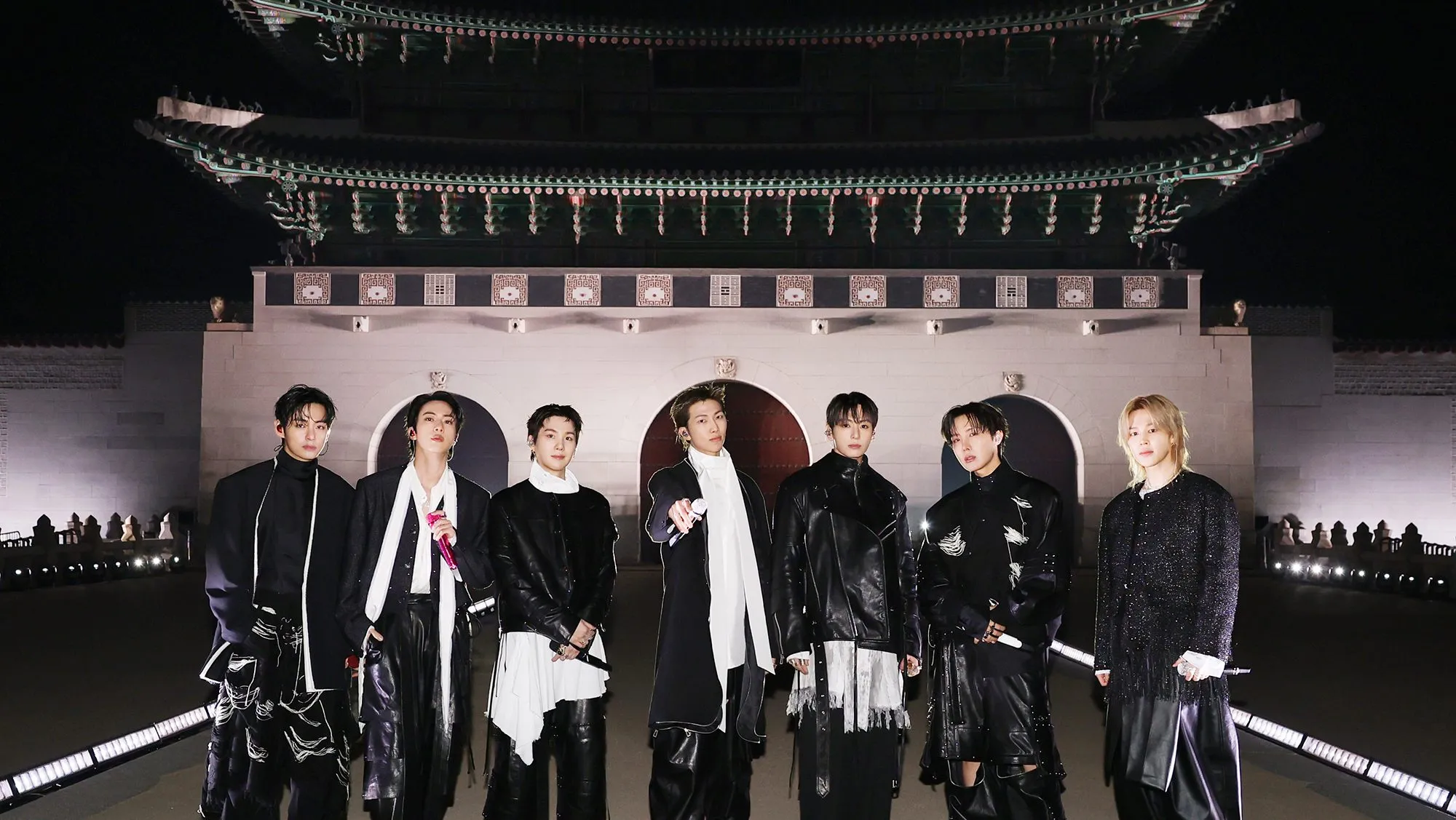
South Korea’s Ministry of Justice and Korea Tourism Organization (KTO) have jointly rolled out promotional campaigns in China, highlighting K-pop concerts, medical tourism, and autumn foliage tours as key attractions. Airlines are already adding capacity between major Chinese cities and Seoul in anticipation of demand.
This scheme also complements South Korea’s broader digital travel facilitation efforts, including simplified online arrivals processes and electronic visa platforms for other markets.
Tourism as diplomacy and strategy
The decision to waive visas for Chinese groups highlights how tourism policy doubles as diplomacy in Asia. South Korea is signaling to Beijing that it values people-to-people exchanges as a stabilizer for the broader relationship, even amid strategic differences.
For South Korea’s domestic economy, the move provides a timely boost. Retailers in Myeongdong, duty-free operators at Incheon Airport, and small businesses catering to tourists have long lobbied for greater access to Chinese consumers. Visa-free entry creates immediate momentum heading into late 2025 and could help offset weaker spending by Japanese and Southeast Asian visitors.
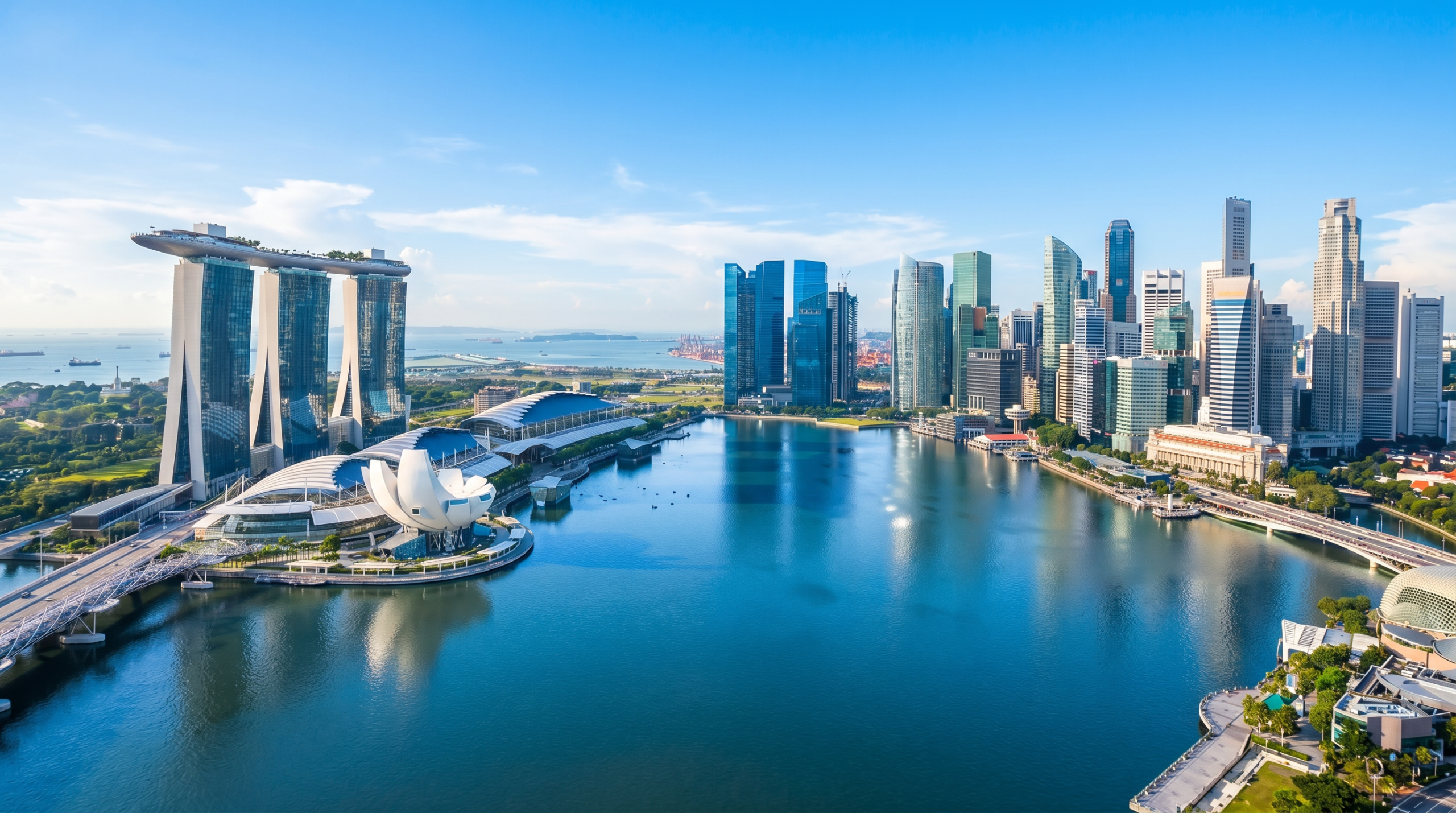
Regionally, the program may also trigger competitive responses. Japan, Thailand, and Singapore have all been adjusting visa policies to capture more Chinese tourists. If South Korea succeeds, these countries may consider further liberalization to avoid losing market share.
At the same time, the scheme highlights an important risk: overdependence on one source market. South Korea’s reliance on Chinese travelers has proven vulnerable to political shifts, as seen during the THAAD fallout. Balancing tourism diversification with renewed Chinese inflows will be critical for long-term resilience.
Surge in arrivals, but with conditions
Looking ahead, the visa-free scheme is expected to trigger a sharp rise in Chinese group arrivals. Travel agencies in Beijing, Shanghai, and Guangzhou are already reporting spikes in bookings for late autumn and early winter.
If the program proves successful, South Korea may extend it beyond mid-2026 or expand eligibility to individual travelers. Such a step would align with broader efforts to cement Seoul as a top-tier regional hub for tourism, culture, and entertainment.
However, the outcome will also depend on broader geopolitical conditions. If bilateral ties improve further, tourism could become a cornerstone of rapprochement. But renewed tensions could once again threaten flows.
Neighboring economies will be watching closely. A surge of Chinese tourists into South Korea could alter travel patterns across Northeast and Southeast Asia, affecting air routes, hotel pricing, and cross-border competition for visitor spending.
Ultimately, this initiative highlights how tourism is no longer just about leisure—it is an instrument of economic diplomacy, cultural influence, and regional competition.
A diplomatic gesture with economic weight
South Korea’s decision to allow visa-free entry for Chinese tourist groups from late September 2025 marks a bold step in reviving bilateral ties and boosting its tourism economy. By balancing immediate economic gains with long-term diplomatic considerations, Seoul is betting that tourism can serve as both a growth driver and a bridge to improved relations with Beijing.
As arrivals climb and competitors respond, the program may set the tone for a new era of tourism diplomacy in Asia, where visa policies shape not just travel flows but also international relations.