



For decades, energy was treated as a passive utility bill. It was an operational overhead, managed by procurement teams, and rarely discussed in the boardroom unless costs spiked. But the operating environment for businesses in Southeast Asia has fundamentally changed. Exposed to geopolitical volatility, supply constraints, and tightening regulatory pressures, companies are realizing that energy is no longer just a cost line. It is a strategic exposure.
This shift is forcing a re-evaluation of how businesses consume, manage, and source their power. The transition from treating energy as a passive expense to an active operational asset is becoming a defining marker of competitive advantage. At the forefront of this transition in Singapore is Flo Energy, an independent renewable electricity retailer that has scaled rapidly by providing businesses with the visibility and infrastructure needed to navigate this new reality.
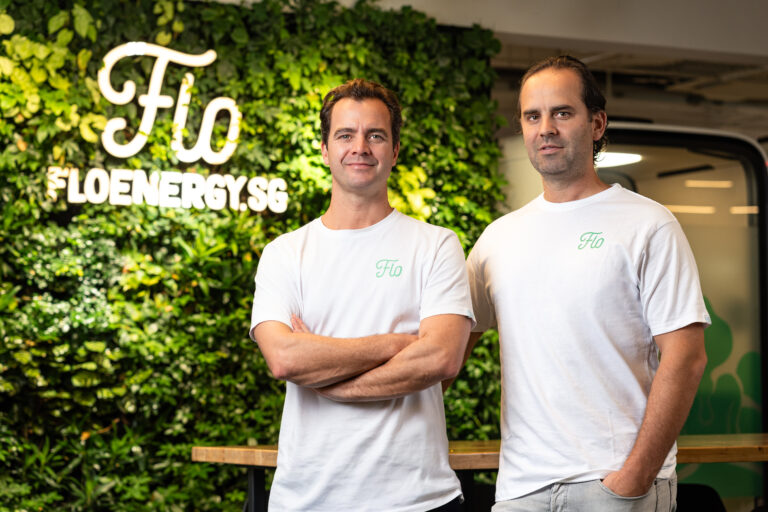
Founded in 2021 by Matthijs Guichelaar and Ernst Westendorp, Flo has grown from a two-person team to an operation of over 150 employees across Singapore and Australia. Their trajectory reflects a broader market awakening: the appetite for affordable, clean energy is accelerating, but businesses need more than just a green label. They need predictability, control, and commercial viability.
Why Energy Is No Longer Just a Cost Line
“Businesses, particularly large energy users, are no longer treating energy as a passive overhead because the operating environment has fundamentally changed,” notes Flo’s CEO Matthijs Guichelaar. “Over the past few years, we have seen how exposed businesses are to energy market volatility. Energy prices are now less predictable, and that directly impacts margins and planning.”
At the same time, growing pressure from regulators, investors, and customers to decarbonise has added a second dimension to the conversation. Energy decisions are no longer evaluated purely on cost. They are evaluated on resilience, sustainability commitments, and long-term positioning. That is when energy becomes strategic.
From Reactive Billing to Active Energy Management
The first mindset change required for this transition is visibility. Companies cannot optimise what they cannot see. Historically, businesses reacted to energy costs only after receiving their monthly bills. Today, the expectation is active management.
By investing in proprietary in-house technology, Flo has built platforms like the FlowSmart Dashboard, which provides customers with detailed usage tracking, downloadable data, and multi-site management capabilities. This digital infrastructure allows businesses to move from reacting to bills to actively managing performance across sites, time periods, and tenants.
The Competitive Advantage of Energy Visibility
Once visibility is established, energy transitions from an operational cost to a strategic conversation. It touches everything from operational continuity to long-term sustainability commitments. Businesses that actively manage their energy profiles gain a distinct competitive advantage through lower overheads, efficiencies that can ultimately be passed on to their own customers.
The Barriers to Renewable Adoption in Southeast Asia
The path to wider renewable adoption in Southeast Asia is not without friction. Flo identifies three primary barriers: limited education around renewable options, the persistent misconception that renewables are inherently more expensive, and the physical constraints of the grid itself.
A recent survey conducted by the company revealed that while 45 per cent of SMEs have considered renewable energy, more than half remain unfamiliar with mechanisms like Renewable Energy Certificates (RECs). This knowledge gap often stalls decision-making. “Many businesses are interested, but still lack clarity on how these solutions work, what they cost, and how they fit into their operations,” Guichelaar observes.
Dismantling the Cost Misconception
The path to wider renewable adoption in Southeast Asia is not without friction. Flo identifies three primary barriers: limited education around renewable options, the persistent misconception that renewables are inherently more expensive, and the physical constraints of the grid itself.
A recent survey conducted by the company revealed that while 45 per cent of SMEs have considered renewable energy, more than half remain unfamiliar with mechanisms like Renewable Energy Certificates (RECs). This knowledge gap often stalls decision-making. “Many businesses are interested, but still lack clarity on how these solutions work, what they cost, and how they fit into their operations,” Guichelaar observes.
The Grid Constraint
Yet, the most fundamental constraint remains infrastructure. In much of the region, renewable supply is limited, and grid development has not kept pace with demand. Navigating this requires agility and a deep understanding of both policy and economics. Flo works closely with regulators to ensure their solutions remain commercially sound and operationally feasible within the realities of the current grid.
Energy as an Asset — What the Next Decade Looks Like
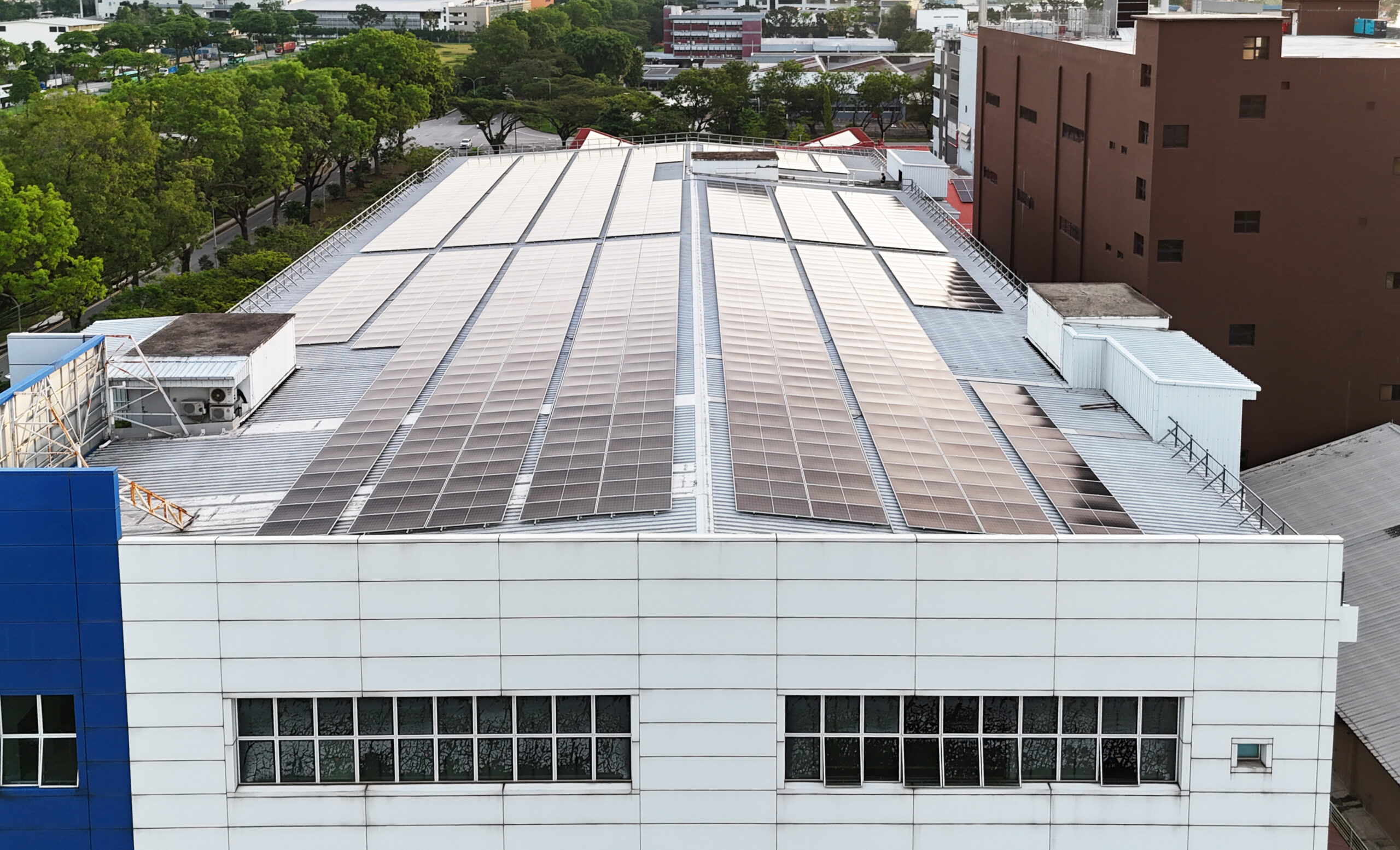
Looking ahead, the concept of energy as an asset is set to become increasingly literal. As the grid evolves to incorporate more distributed energy resources, rooftop solar, and storage solutions, the role of the business will shift. “In markets like Singapore, a more decentralised energy system would make businesses no longer just passive users connected to a central grid,” Guichelaar projects. “Businesses could play a more active role in how energy is generated, sourced, and managed.”
What Separates Companies That Get It Right
This evolution requires intentionality. The companies that successfully integrate energy strategy into their operations are those that treat it as something to be actively managed for the long term. They do not default to the most familiar option; they evaluate structures like Power Purchase Agreements (PPAs) or REC-backed supply based on what best supports their business over time. Conversely, companies that fall behind are often simply reactive, addressing energy only when costs rise or reporting pressures mount, by which point their options are limited and expensive.
Building the Backbone for a Cleaner Energy Future
The transition to clean energy is no longer just about supplying electricity. It is about building the technological and operational backbone that makes energy management simpler, more efficient, and more resilient. As Southeast Asia navigates its energy future, the businesses that thrive will be those that stop looking at their power consumption as a bill to be paid and start treating it as an asset to be leveraged.