

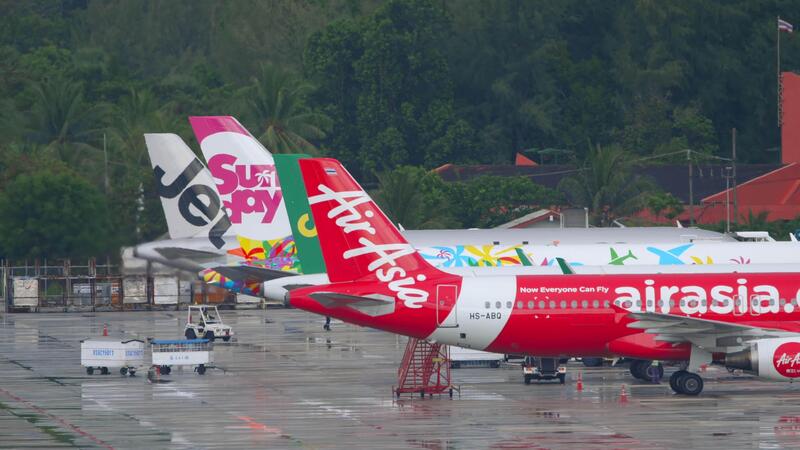



Low-cost airlines have transformed travel across Asia by making air connectivity more affordable and accessible. As tourism rebounds and regional mobility grows, budget carriers are expanding routes, modernising fleets, and improving digital travel experiences. At the same time, low-cost aviation is helping connect secondary cities and emerging tourism markets. Because of this, Asian budget airlines are playing a major role in reshaping regional travel patterns.

Image by Frank.uz
AirAsia |
- Malaysia
Founder: Tony Fernandes
One of Asia’s largest low-cost airline groups
AirAsia transformed budget aviation in Southeast Asia through aggressive route expansion and affordable fares. Moreover, its digital-first ecosystem includes travel, logistics, and financial services. As a result, it became one of the region’s most influential low-cost carriers.

Image by Aerospace Global News
IndiGo |
- India
Founder: Rahul Bhatia
India’s largest airline by market share
IndiGo dominates India’s domestic aviation market with a strong focus on operational efficiency and scale. In addition, its expanding international routes are strengthening regional connectivity. Consequently, it has become one of Asia’s fastest-growing airlines.
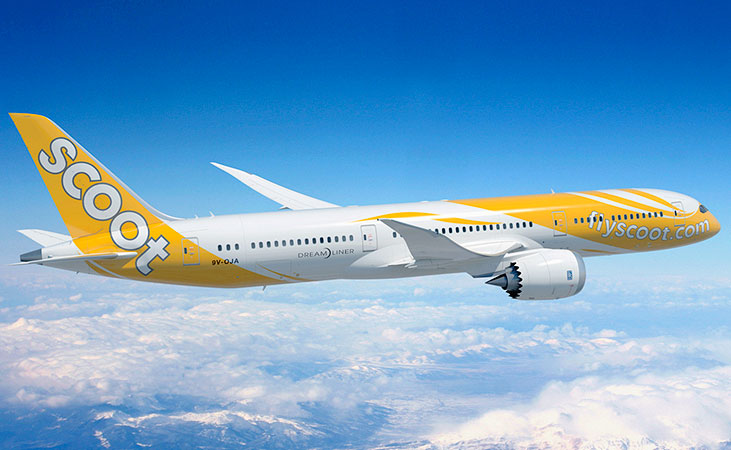
Image by Scoot
Scoot |
- Singapore
Founder: Singapore Airlines Group leadership
Long-haul and regional low-cost airline network across Asia-Pacific
Scoot combines low-cost pricing with medium- and long-haul connectivity. Moreover, its integration with Singapore Airlines strengthens regional and international travel options. As a result, Scoot continues expanding across Asia-Pacific markets.
Image by Airbus
Cebu Pacific |
- Philippines
Founder: John Gokongwei Jr.
Largest low-cost carrier in the Philippines
Cebu Pacific helped democratise air travel in the Philippines through affordable domestic and regional flights. In addition, its broad network supports tourism and labour mobility across Southeast Asia. Therefore, it remains a key airline in regional travel growth.

Image by Hospitality Investor
Peach Aviation |
- Japan
Founder: ANA Holdings leadership
Japan’s leading low-cost airline by passenger volume
Peach Aviation expanded low-cost travel options across Japan and nearby Asian markets. Moreover, its efficient domestic and regional operations support rising tourism demand. As a result, it has become a major player in Japan’s aviation sector.

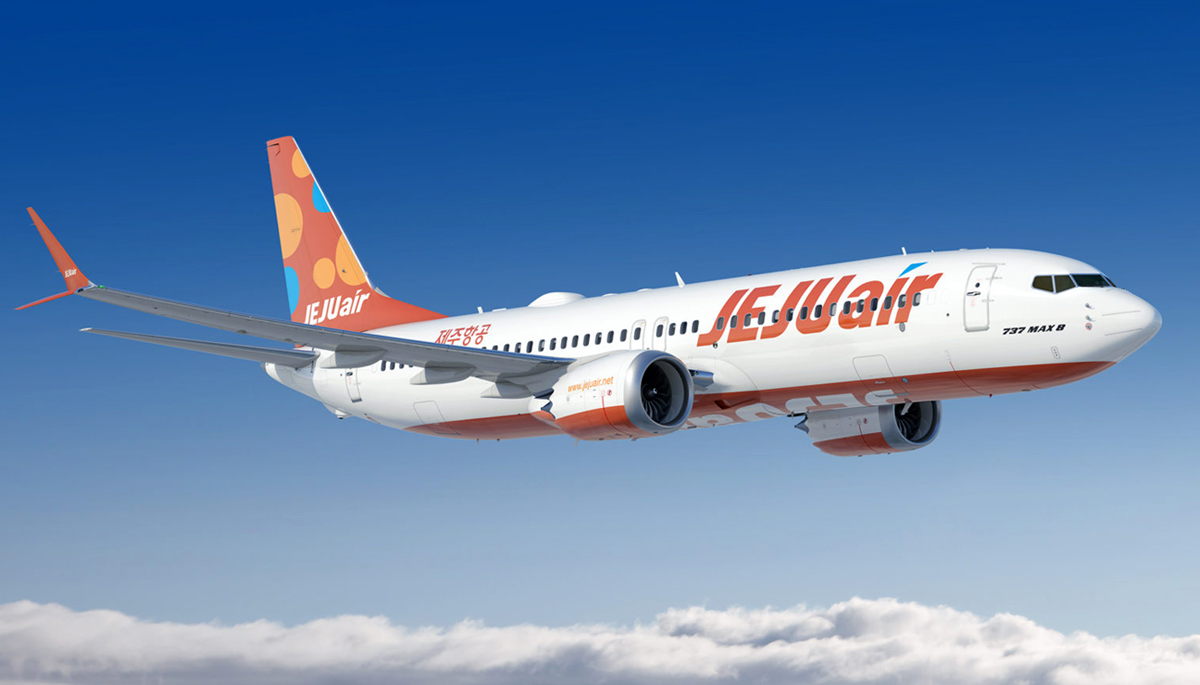
Image by Skytrax
Jeju Air |
- South Korea
Founder: Aekyung Group leadership
South Korea’s largest low-cost airline
Jeju Air expanded affordable travel options between South Korea and major Asian destinations. In addition, its strong regional network supports tourism and business mobility. Therefore, it remains a leading budget airline in Northeast Asia.

Image by AirAsia Newsroom
Thai AirAsia |
- Thailand
Founder: AirAsia Group and Thai partners
Major low-cost carrier connecting Thailand to regional destinations
Thai AirAsia strengthened Thailand’s role as a regional travel hub through affordable flights and extensive route coverage. Moreover, its network supports tourism growth across Southeast Asia. As a result, it continues to expand its regional footprint.

Image by Skytrax
VietJet Air |
- Vietnam
Founder: Nguyen Thi Phuong Thao
Vietnam’s leading private low-cost airline
VietJet Air rapidly expanded domestic and international routes as Vietnam’s tourism sector grew. In addition, its competitive pricing model helped increase regional travel accessibility. Consequently, VietJet became one of Asia’s most recognised budget airlines.
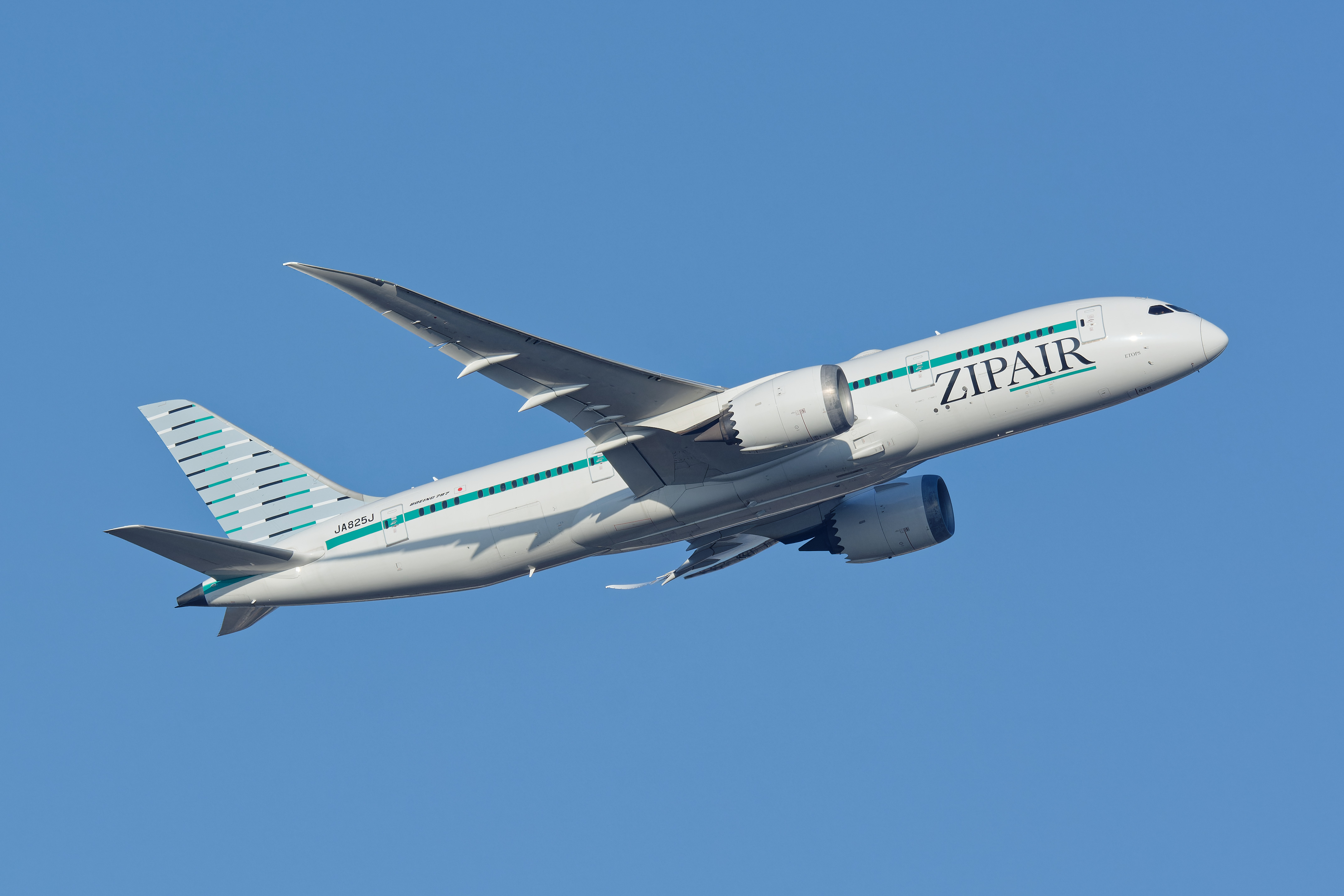
Image by Wikipedia
ZIPAIR Tokyo |
- Japan
Founder: Japan Airlines Group leadership
Budget long-haul airline connecting Asia with global destinations
ZIPAIR Tokyo focuses on affordable medium- and long-haul international flights. Moreover, its digital-focused operations appeal to younger and cost-conscious travellers. As a result, it represents the next generation of low-cost aviation in Asia.
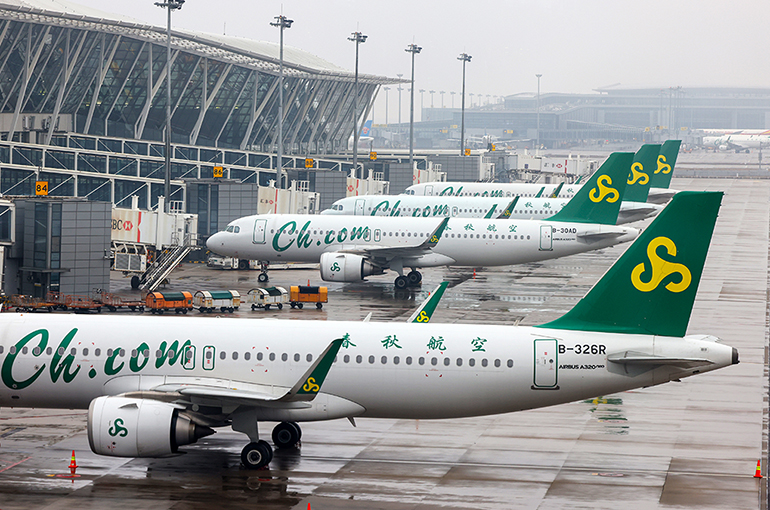
Image by Yicai Global
Spring Airlines |
- China
Founder: Wang Zhenghua
China’s first privately owned low-cost carrier
Spring Airlines focuses on affordable domestic and regional routes across China and Asia. Meanwhile, its low-cost operational model supports high passenger volume growth. Consequently, it has strengthened budget travel accessibility in China.
Low-cost airlines are reshaping travel across Asia by making air transport more accessible to millions of people. Rather than focusing only on major cities, these carriers are connecting emerging destinations and supporting tourism growth across the region. Moreover, their expansion is strengthening business mobility and regional integration. Together, these 10 airlines highlight how Asia’s aviation sector continues evolving through affordable and scalable travel networks.
Discover more inspiring journeys on Feature.Asia: 10 Entrepreneurs Under 30 Changing Asia’s Economy