



Vestas Japan wind energy expansion supports local production
Vestas, one of the world’s leading wind turbine manufacturers, is expanding its manufacturing footprint in Japan to support the country’s accelerating renewable energy transition. The move aligns with Japan’s push to increase wind power capacity and reduce reliance on imported energy.
The Vestas Japan wind energy expansion highlights a growing trend toward localization in clean energy supply chains. As governments prioritize energy security and sustainability, global companies are investing in local production to meet regulatory and market demands.
Consequently, the expansion reinforces Japan’s ambition to become a major hub for offshore and onshore wind development in Asia.
Japan accelerates renewable energy transition
Japan has been actively advancing its renewable energy strategy in response to energy security concerns and climate commitments.
Government agencies such as the Ministry of Economy, Trade and Industry (METI) are promoting wind energy as a key component of the country’s energy mix.
Offshore wind, in particular, has gained momentum due to Japan’s geographic advantages and strong coastal infrastructure.
The government has introduced policies to attract investment, streamline permitting processes, and encourage local manufacturing.
At the same time, Japan’s reliance on energy imports has highlighted the importance of building domestic capacity.
This has created opportunities for global companies like Vestas to invest in local production and contribute to the development of renewable energy ecosystems.
Local manufacturing to support wind energy growth
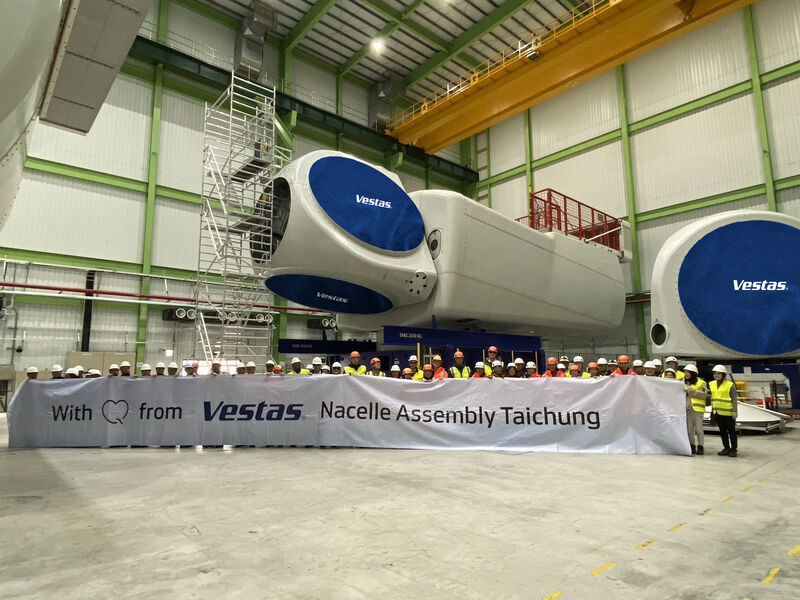
The Vestas Japan wind energy expansion focuses on establishing or enhancing local manufacturing capabilities.
This includes production of key components such as:
- Wind turbine blades
- Towers and structural components
- Assembly and maintenance systems
Local manufacturing offers several advantages.
First, it reduces logistics costs and supply chain complexity. Second, it allows companies to comply with local content requirements often tied to government incentives.
In addition, proximity to project sites improves efficiency in installation and maintenance.
Vestas is also likely to collaborate with local suppliers and partners to build a robust supply chain.
Such partnerships can accelerate project timelines and support knowledge transfer within the domestic industry.
Global renewable players expand in Asia
Vestas’ expansion comes amid increasing competition in the global wind energy sector.
Companies such as Siemens Gamesa, GE Vernova, and Chinese manufacturers are also expanding their presence in Asia.
Japan has become a key target market due to its strong policy support and growing demand for renewable energy.
The competition highlights a key trend.
Localization is becoming essential for success in renewable energy markets.
Companies that establish local manufacturing and partnerships are better positioned to secure contracts and scale operations.
In addition, Asia’s growing energy demand and sustainability goals are driving significant investment in clean energy infrastructure.
Localization reshapes renewable energy supply chains
The Vestas Japan wind energy expansion reflects a broader transformation in renewable energy supply chains.
In the past, equipment was often manufactured centrally and exported globally.
Today, localization is becoming a strategic priority.
Local manufacturing supports energy security, reduces costs, and aligns with government policies.
It also enables faster deployment of renewable projects, which is critical in meeting climate targets.
However, localization requires significant investment and coordination.
Companies must develop local supplier networks, ensure quality standards, and manage operational complexity.
Despite these challenges, the benefits of localized production are driving widespread adoption across the industry.
Japan positioned for long-term wind energy growth
Looking ahead, Japan’s wind energy sector is expected to grow steadily.
Government targets for renewable energy capacity and carbon neutrality will continue to drive investment.
Offshore wind projects are likely to play a central role, supported by technological advancements and policy incentives.
For Vestas, expanding its manufacturing footprint positions the company to capture long-term opportunities in Japan and the broader Asia-Pacific region.
The company may also leverage its local presence to support projects in neighboring markets.
In addition, continued collaboration between government, industry, and investors will be essential to achieving Japan’s renewable energy goals.
Vestas strengthens role in Japan’s clean energy transition
Vestas’ expansion of its manufacturing footprint in Japan marks a significant step in supporting the country’s renewable energy ambitions. By investing in local production, the company is aligning with policy priorities while enhancing its competitiveness in the market.
As the global transition to clean energy accelerates, localization and strategic partnerships will play a critical role in shaping the future of renewable energy. The Vestas Japan wind energy expansion highlights how global companies are adapting to meet the demands of a rapidly evolving energy landscape.