





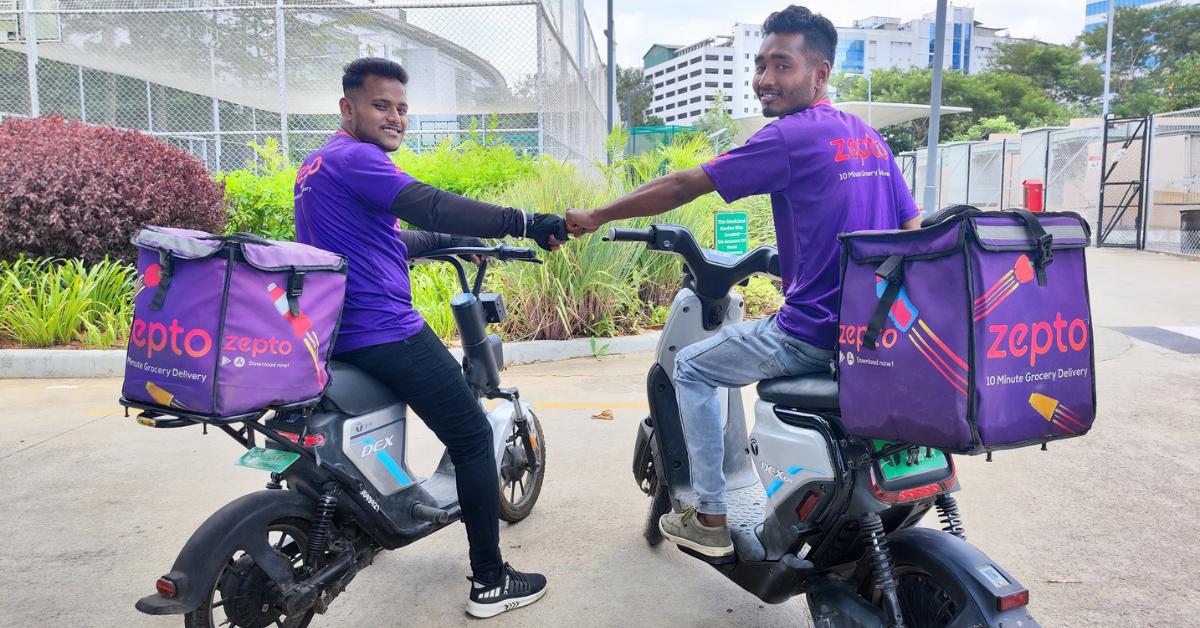
Zepto IPO expansion strategy gains momentum across India
Indian quick-commerce startup Zepto is accelerating its expansion across major cities as speculation around a potential initial public offering (IPO) continues to grow. The company is rapidly increasing its network of dark stores and logistics infrastructure to strengthen operational scale and market reach.
The Zepto IPO expansion strategy highlights how India’s quick-commerce sector is entering a new phase focused on profitability, scale, and long-term investor confidence. As competition intensifies in ultra-fast delivery, infrastructure and operational efficiency are becoming key differentiators.
Consequently, Zepto is positioning itself as one of India’s most closely watched startup growth stories ahead of a possible public market debut.
India’s quick-commerce market evolves rapidly
India’s quick-commerce industry has expanded significantly over the past few years. Urban consumers increasingly expect groceries and essentials to be delivered within minutes rather than hours or days.
At the same time, smartphone adoption and digital payments have accelerated e-commerce penetration across the country. Convenience-driven consumer behavior has become a major growth driver.
Companies such as Zepto, Blinkit, and Swiggy Instamart have invested aggressively in logistics and fulfillment infrastructure to capture market share.
However, the sector has also faced questions about profitability. Rapid expansion and heavy discounting created pressure on operational margins.
Meanwhile, investor expectations have evolved. Startups are now being evaluated not only on growth but also on sustainability and operational discipline.
Therefore, Zepto’s current expansion strategy reflects a broader shift toward building scalable and efficient infrastructure ahead of potential public listing ambitions.
Expanding dark stores and logistics infrastructure
The Zepto IPO expansion strategy is centered on strengthening operational capabilities across India’s largest urban markets.
First, the company is rapidly expanding its dark-store network. These micro-fulfillment centers are critical to maintaining fast delivery times and improving inventory management.
In addition, Zepto is strengthening logistics systems and supply-chain efficiency. Faster fulfillment requires highly coordinated operations and optimized routing technologies.
Meanwhile, expansion is focused on high-density metropolitan areas. Cities such as Mumbai, Bengaluru, Delhi NCR, Hyderabad, and Chennai remain key growth markets.
The startup is also investing in technology infrastructure. AI-driven demand forecasting, warehouse automation, and route optimization are becoming increasingly important in quick commerce.
At the same time, operational scale improves efficiency. Larger networks allow companies to spread costs across more orders and improve delivery economics.
The company may also be preparing internal systems for public-market expectations. Expanding infrastructure while improving operational metrics can strengthen investor confidence ahead of an IPO.
As a result, Zepto is transitioning from aggressive startup growth toward a more mature expansion phase.
Quick commerce enters consolidation era
The Zepto IPO expansion strategy reflects a broader transformation in India’s startup ecosystem.
The early phase of quick commerce focused heavily on speed and customer acquisition. Companies competed aggressively on discounts and delivery promises.
However, the market is now shifting toward sustainability and operational efficiency. Investors increasingly prioritize profitability and disciplined expansion.
At the same time, infrastructure has become the central competitive advantage. Companies with stronger logistics, inventory systems, and fulfillment networks are better positioned for long-term success.
IPO preparation is also influencing startup behavior. Public markets demand stronger governance, predictable financial performance, and operational transparency.
Meanwhile, competition remains intense. Rivals continue expanding aggressively while balancing cash burn and profitability goals.
Therefore, the next stage of quick-commerce competition may be defined less by rapid expansion alone and more by execution quality and operational maturity.
Startup ecosystem and retail transformation
Zepto’s expansion has implications beyond the quick-commerce sector itself.
First, it reflects continued investor confidence in India’s consumer internet market. Despite global funding slowdowns, infrastructure-led growth stories continue attracting attention.
Second, the expansion supports employment and local commerce ecosystems. Dark stores, delivery operations, and supply-chain systems create large-scale operational networks.
In addition, quick-commerce platforms are reshaping urban retail behavior. Consumers are increasingly prioritizing convenience and instant access to products.
Meanwhile, logistics innovation developed within quick commerce may influence broader e-commerce and retail sectors.
The company’s IPO ambitions also matter strategically. A successful listing could influence investor appetite for other consumer-tech startups preparing to enter public markets.
As a result, Zepto’s growth trajectory is becoming an important indicator for India’s broader startup ecosystem.
IPO pressure to shape expansion strategy
Looking ahead, Zepto’s growth strategy is likely to remain closely tied to IPO preparation and operational scalability.
Several factors will influence the company’s next phase:
- Expansion into additional Tier-1 and Tier-2 cities
- Improvements in profitability and delivery efficiency
- Increased automation and AI-driven logistics optimization
- Stronger partnerships with brands and suppliers
- Growing competition from rivals in quick commerce
The company may continue investing heavily in infrastructure before moving toward a public listing.
Meanwhile, investor scrutiny is expected to increase. Public-market readiness requires stronger financial discipline and sustainable growth metrics.
At the same time, consumer demand for convenience is likely to remain strong. Urban purchasing behavior continues shifting toward on-demand delivery models.
Therefore, Zepto’s ability to balance rapid growth with operational efficiency will determine its long-term market positioning.
Zepto strengthens position ahead of possible IPO
Zepto’s aggressive expansion of dark stores and logistics infrastructure marks an important milestone in its evolution from startup challenger to potential public-market contender. By investing heavily in operational scale, the company is preparing for the next phase of growth in India’s increasingly competitive quick-commerce industry.
As the sector matures, infrastructure, efficiency, and sustainable economics will become even more important. The Zepto IPO expansion strategy demonstrates how Indian startups are adapting to changing investor expectations while continuing to pursue large-scale market opportunities.