



Notable Roles | - Former President of Japan Airlines |
Key Recognition | - Japan aviation industry leadership recognitions |
Background and Early Foundations
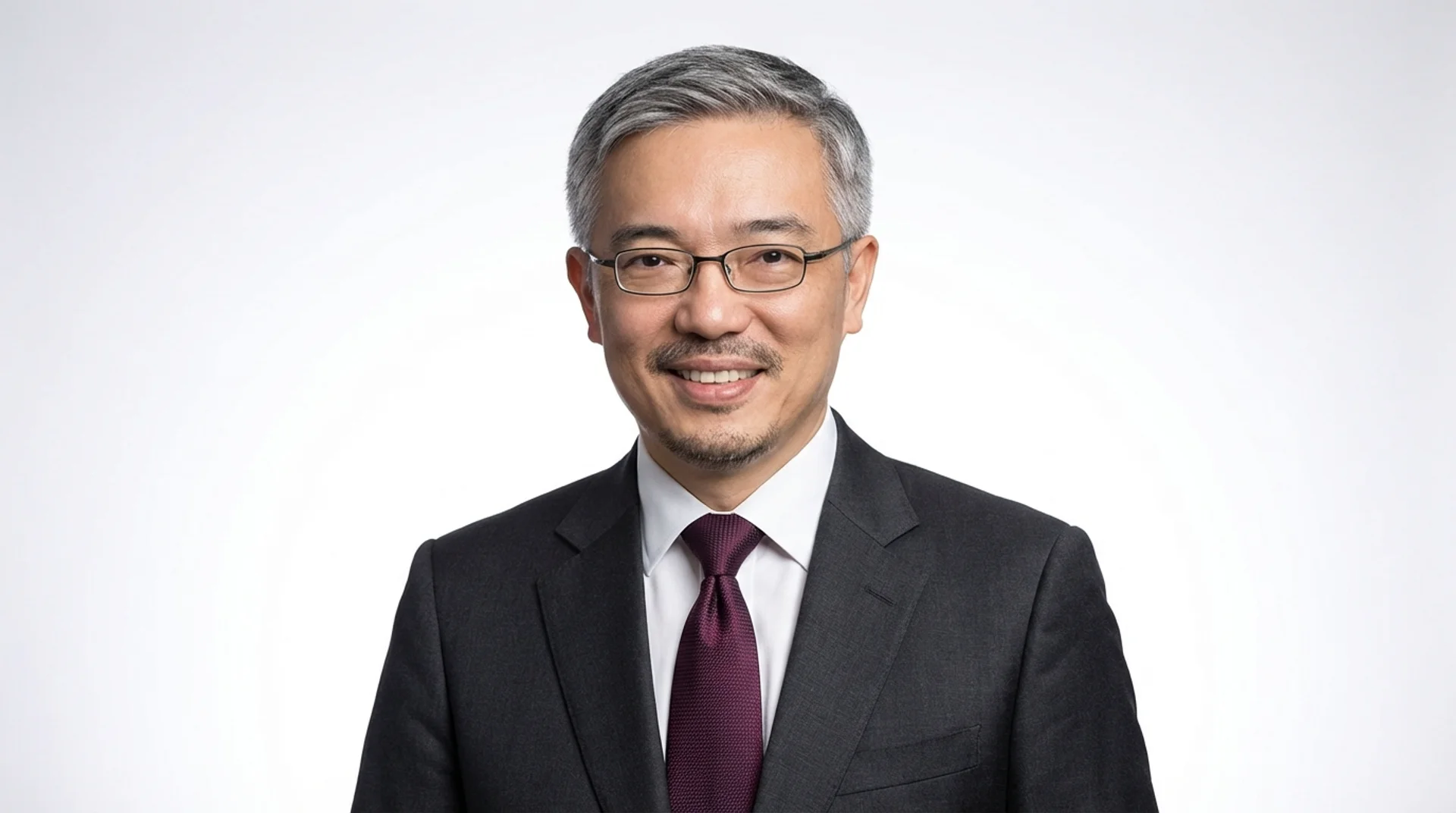
Yoshiharu Ueki was born in Japan in 1952 and pursued higher education at Keio University, one of the country’s leading institutions. He joined Japan Airlines early in his career, building decades of experience within the aviation sector. His early roles exposed him to airline operations, route management and corporate strategy.
He developed a deep understanding of airline economics, particularly the importance of efficiency, cost control and service quality. His long tenure within the company positioned him as a key internal leader during one of the most critical periods in JAL’s history.
Career Milestones and Impact
Year | Milestone |
|---|---|
1975 | Joined Japan Airlines, beginning long term career in aviation. |
2010 | JAL underwent bankruptcy and restructuring, setting stage for leadership transition. |
2012 | Appointed President of Japan Airlines following corporate restructuring. |
2013 | Led JAL’s relisting on the Tokyo Stock Exchange after successful turnaround. |
2015 | Strengthened international routes and operational efficiency. |
2018 | Stepped down after stabilizing JAL’s financial and operational performance. |
- Company: Japan Airlines
- Turnaround: Bankruptcy to profitability within a few years
- Market Position: Major international airline
- Industry Scope: Global aviation and passenger services
Leadership Style and Influence
Yoshiharu Ueki is known for disciplined operational leadership and focus on efficiency. His approach emphasized cost control, service consistency and strategic route management. He maintained a steady leadership style during a period of recovery, prioritizing stability and long term sustainability.
His influence lies in demonstrating how structured management and operational discipline can restore confidence in large scale organizations.
Legacy and Future Focus
Yoshiharu Ueki’s legacy is tied to the successful recovery of Japan Airlines. His leadership helped rebuild one of Japan’s most important national carriers after financial collapse.
His tenure represents a case study in corporate turnaround, highlighting the importance of disciplined execution and strategic clarity in aviation management.