

FedEx K League sponsorship highlights Asia football growth
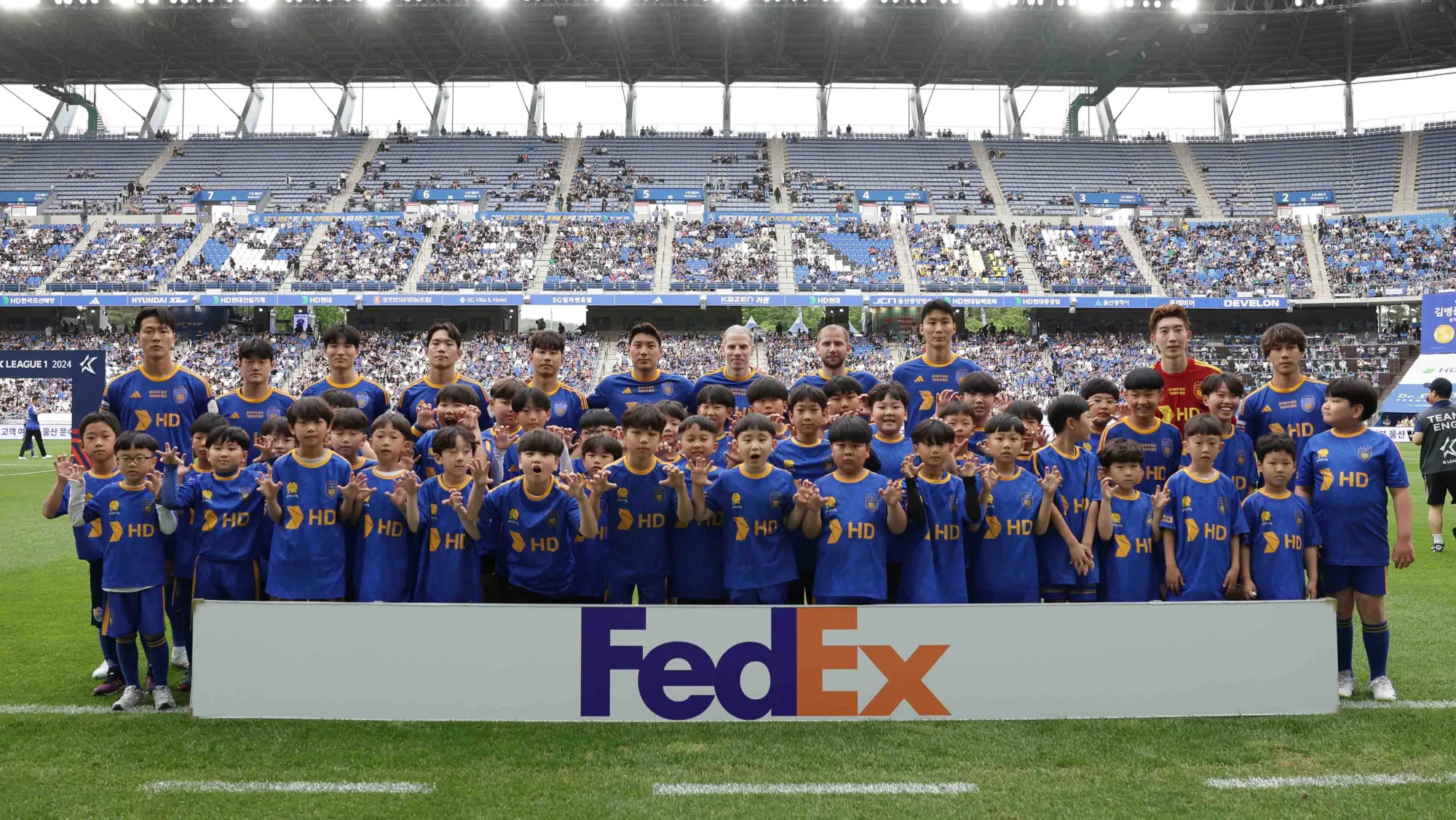
Global logistics giant FedEx has renewed its sponsorship partnership with South Korea’s K League for the 2026 season, reinforcing the growing commercial value of Asian football and the region’s expanding sports economy. The renewed agreement strengthens FedEx’s brand presence across one of Asia’s most digitally engaged football markets.
The FedEx K League sponsorship story highlights how international corporations are increasingly investing in Asian football as fan engagement, media reach, and regional sports consumption continue accelerating.
Consequently, the partnership reflects broader momentum across Asia’s sports business ecosystem, where football is becoming an increasingly valuable platform for branding, digital engagement, and regional expansion.
Asian football enters commercial growth phase
Football’s commercial influence across Asia has expanded significantly over the past decade. While European leagues continue attracting large audiences in the region, domestic Asian football competitions are also gaining stronger fan engagement and sponsorship interest.
South Korea’s K League has played an important role in this evolution. The league has strengthened its digital presence, youth development systems, and international visibility while attracting partnerships from both regional and global brands.
At the same time, sports sponsorship strategies are changing. Companies increasingly seek partnerships that combine live-event visibility with digital engagement, regional branding, and community outreach.
Meanwhile, Asia’s sports economy is expanding rapidly. Governments, broadcasters, technology firms, and multinational companies are investing heavily in sports infrastructure, media rights, and sponsorship ecosystems.
FedEx has long maintained a strong presence within sports marketing globally. Partnerships with football leagues and international sporting organizations help reinforce the company’s global logistics and connectivity branding.
Therefore, renewing the K League sponsorship aligns with both the company’s regional strategy and broader sports business trends across Asia.
Branding, digital engagement, and regional visibility
The FedEx K League sponsorship agreement provides strategic value beyond traditional logo placement and advertising.
First, the partnership strengthens FedEx’s visibility within one of Asia’s most connected consumer markets. South Korea’s digitally active football fan base creates strong opportunities for online engagement and brand amplification.
In addition, football sponsorship offers long-term regional brand association. Sports partnerships increasingly function as lifestyle and emotional branding platforms rather than purely marketing channels.
Meanwhile, the K League benefits from continued corporate backing. Sponsorship revenue remains critical for league development, club operations, and fan engagement initiatives.
The renewed partnership may also support integrated marketing campaigns involving logistics innovation, event experiences, and digital activations.
At the same time, sports sponsorship increasingly overlaps with technology and media ecosystems. Social platforms, streaming services, and digital content strategies now shape sponsorship value significantly.
FedEx’s continued involvement also reflects confidence in Asia’s growing sports consumption market.
As a result, the partnership strengthens both commercial visibility and long-term regional sports ecosystem development.
Football becomes major business platform in Asia
The FedEx K League sponsorship story reflects broader structural changes across Asia’s sports industry.
Football is increasingly evolving into a major commercial ecosystem rather than simply a sporting product. Sponsorships, media rights, digital content, and fan engagement are becoming key economic drivers.
At the same time, Asian leagues are becoming more commercially sophisticated. Better broadcasting infrastructure, stronger digital strategies, and growing international exposure are increasing sponsorship attractiveness.
South Korea’s sports market is particularly important because of its advanced digital environment and globally influential entertainment culture.
However, competition for sponsorship investment is intensifying. Football leagues, esports organizations, entertainment properties, and global sports franchises are all competing for brand partnerships.
Meanwhile, corporate sponsors increasingly prioritize measurable digital engagement and audience analytics. Sponsorship success is now evaluated through data-driven performance metrics.
Therefore, sports organizations must continuously innovate to maintain sponsor value and audience growth.
Sponsorships strengthen regional sports economy
FedEx’s renewed partnership with the K League has implications beyond football itself.
First, it reinforces investor and corporate confidence in Asia’s sports economy. International brands continue increasing investment in regional sports platforms.
Second, sponsorship activity supports broader sports ecosystem growth. Revenue from partnerships contributes to league development, fan experiences, and infrastructure improvements.
In addition, football’s growing popularity creates wider commercial opportunities involving broadcasting, merchandise, tourism, and digital media.
Meanwhile, Asia’s sports economy is becoming increasingly interconnected with technology and entertainment industries.
The partnership also demonstrates how logistics and infrastructure companies are leveraging sports branding to strengthen consumer engagement and regional visibility.
As a result, commercial partnerships are becoming central to the future growth of Asian football.
Asian football sponsorship market expected to expand
Looking ahead, Asia’s football sponsorship and sports business ecosystem is expected to continue growing rapidly.
Several factors support this trend:
- Rising football viewership across Asia
- Growth of streaming and digital sports engagement
- Increasing corporate investment in sports branding
- Expansion of regional sports tourism and live events
- Strong youth engagement across football communities
The K League may continue attracting additional international partnerships as regional visibility expands.
Meanwhile, sponsors are likely to pursue more integrated digital and experiential campaigns tied to sports properties.
Technology-driven fan engagement may also become more important. AI-powered analytics, personalized content, and interactive platforms are expected to reshape sports marketing strategies.
At the same time, competition among Asian sports leagues for sponsorship revenue will intensify further.
Therefore, football’s next growth phase in Asia will likely be driven by digital ecosystems, international partnerships, and broader entertainment integration.
FedEx and K League partnership reflects Asia’s sports business momentum
FedEx’s decision to renew its K League sponsorship highlights the growing commercial power of Asian football and the broader expansion of the region’s sports economy. As football audiences and digital engagement continue rising, sponsorship partnerships are becoming increasingly valuable strategic assets.
The FedEx K League sponsorship story demonstrates how branding, sports, and regional business growth are becoming more interconnected across Asia. With stronger investment and growing fan ecosystems, Asian football is entering a new era of commercial expansion and global relevance.